Pre-poo for Low Porosity Hair: Complete Guide, Steps, Do’s, Don’ts & Best Products
Outfits
I used to struggle with dry, frizzy hair that never seemed to absorb anything I applied. Once I understood Pre-poo for Low Porosity Hair, my entire wash routine changed. Now my hair feels softer, breaks less, and actually holds moisture.
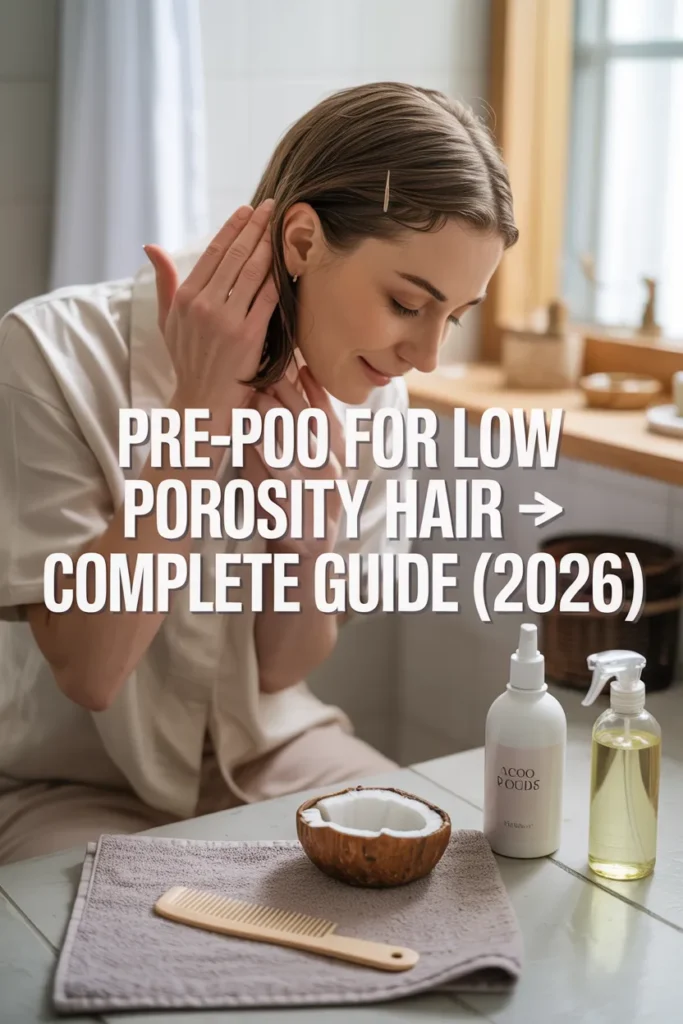
In this guide, I’m sharing everything I personally follow—from what pre-poo really is, how I do it step-by-step, what works, what doesn’t, and which products actually make a difference. Low porosity hair has tightly closed cuticles, which makes it harder for moisture to enter, so prepping your hair before shampooing becomes essential.
Key Takeaways
- Pre-poo for Low Porosity Hair helps open cuticles for better moisture absorption
- 15–30 minutes is usually enough for effective results
- Lightweight oils work better than heavy butters
- Detangling before washing reduces breakage significantly
- Once or twice a week is ideal depending on dryness
What Exactly Is the Pre-Poo?
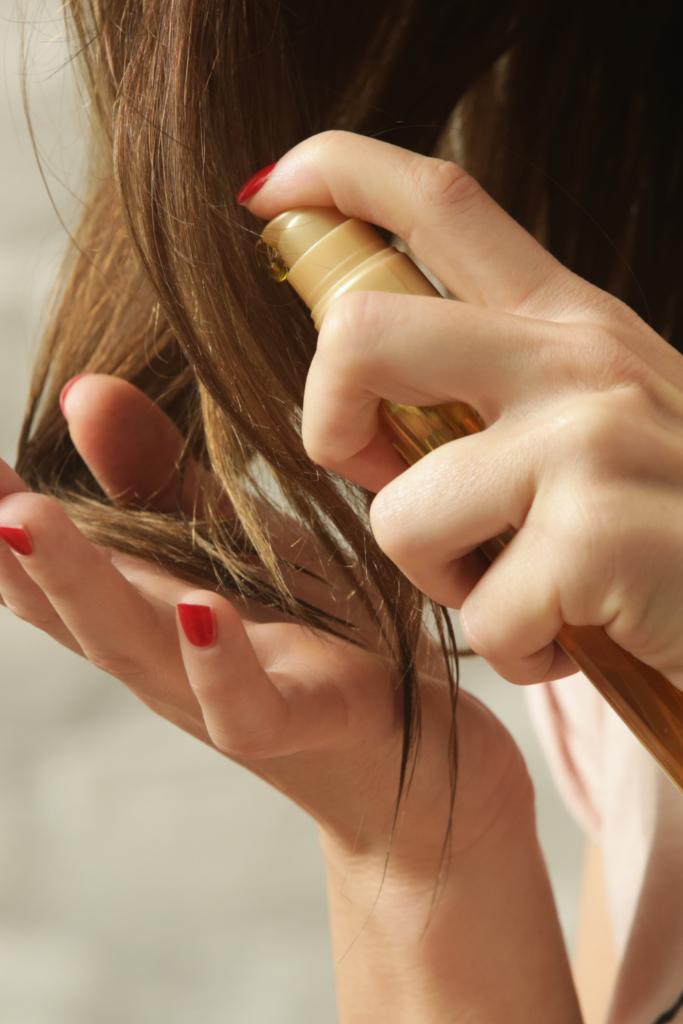
From what I’ve learned and tested, pre-poo is simply applying a treatment before shampooing. It can be oil, conditioner, or a mask.
This step protects my hair from getting stripped during shampoo. It also makes my hair feel softer even before conditioning.
Do You Need to Pre-Poo?

Honestly, if your hair feels dry even after using good products, you probably need it. Low porosity hair doesn’t absorb moisture easily because the cuticles are tightly packed.
When I started pre-pooing, I noticed my hair finally began to respond to products instead of just sitting on top.
How do you know if you have low porosity hair?
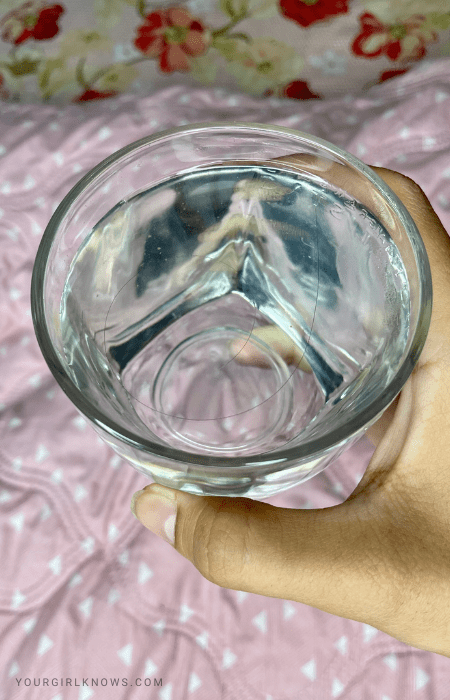
I realized my hair type by observing how it behaves daily. It takes a long time to get wet and even longer to dry.
If your hair feels dry, gets frizzy easily, and products build up quickly, these are strong signs. Some people use the float test, but I rely more on real-life signs.
How to Pre-Poo for low porosity hair?
Detangle those messy strands
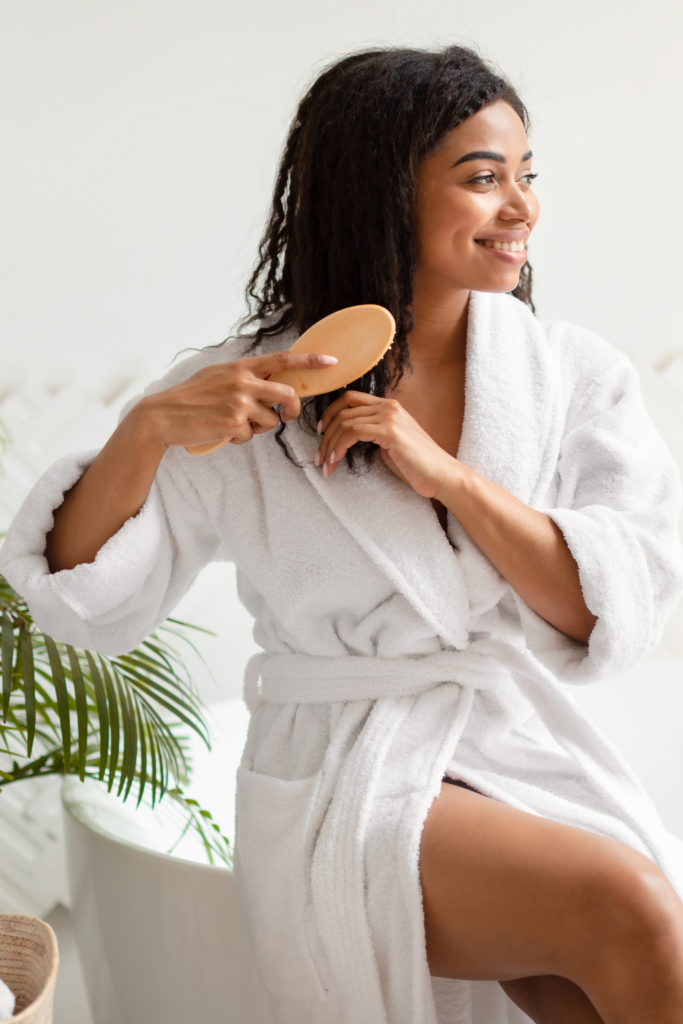
I never skip detangling now because it saves my hair from unnecessary breakage. When I detangle first, my wash day becomes much easier.
Using fingers or a wide-tooth comb works best for me, especially when my hair is dry.
Divide your hair section-wise
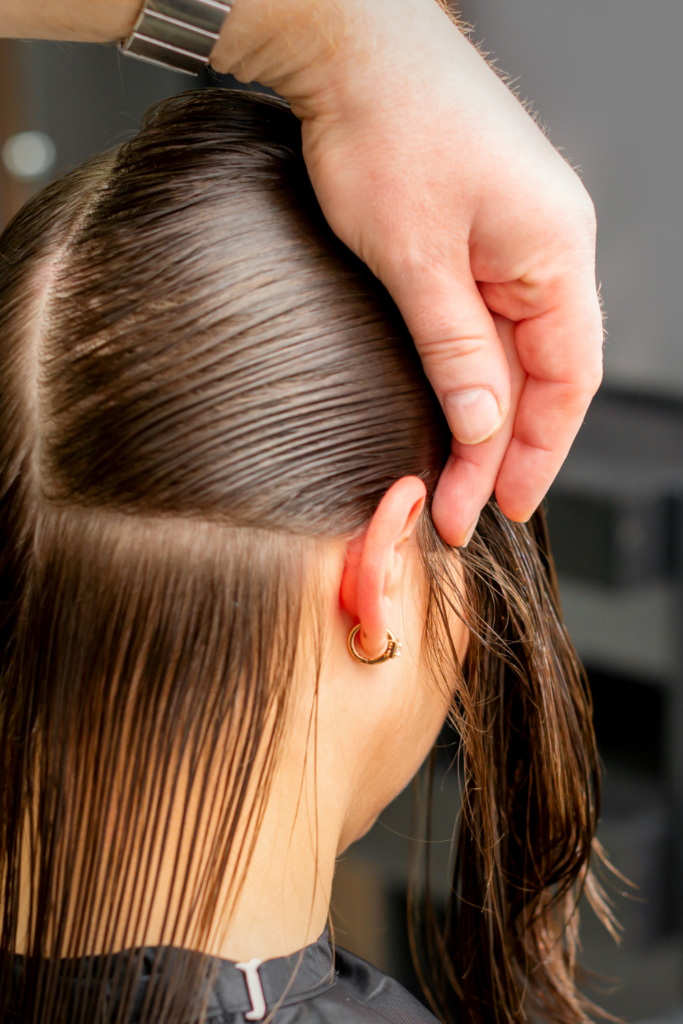
Sectioning my hair into 4–6 parts helps me apply the product evenly. Without this, I always miss some areas.
It also makes the whole process less messy and more controlled.
Choose Your Potion
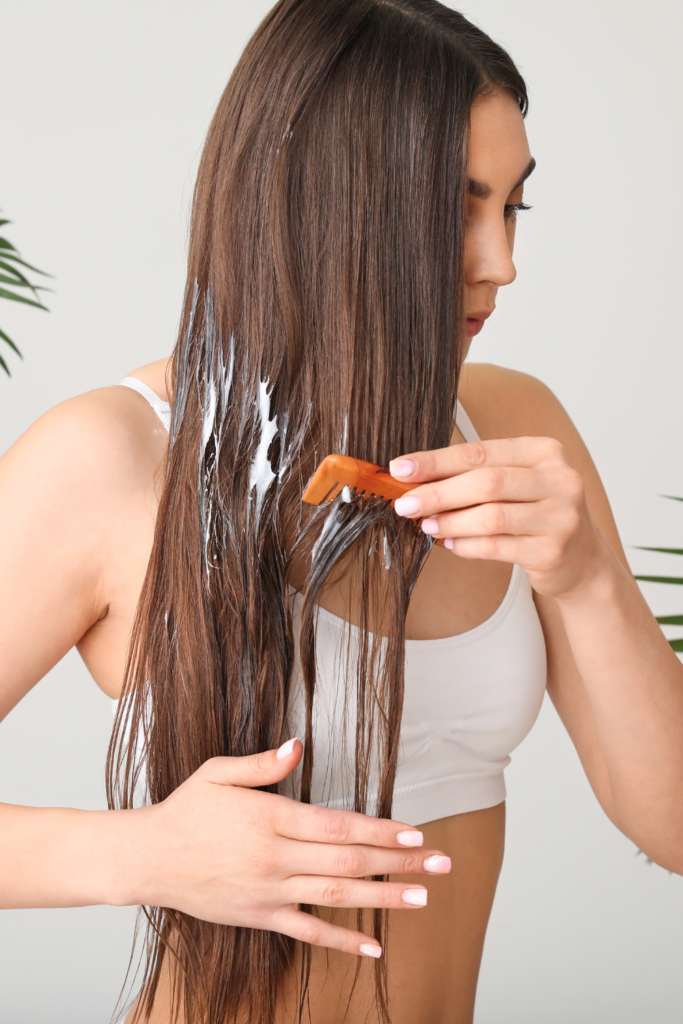
I usually go for lightweight oils because they absorb better into low porosity hair. Oils like jojoba or almond work well because they don’t just sit on top.
Sometimes I switch to a mask if my hair feels extra dry.
Pro Tip: Warm the oil slightly or use a warm towel—heat helps open cuticles and improves absorption.
Apply and Soak
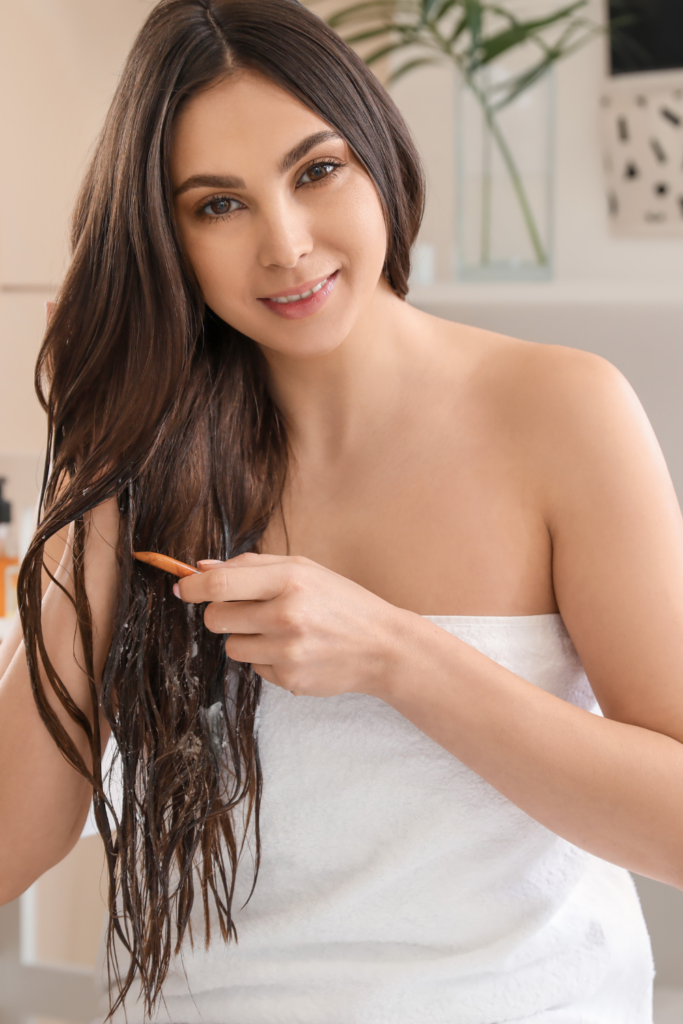
I apply the product from roots to ends and make sure my ends are fully coated. Then I cover my hair to trap heat.
Keeping it for 20–30 minutes works best for me. Anything longer can sometimes cause buildup instead of benefits.
Wash and Revel in the Glory
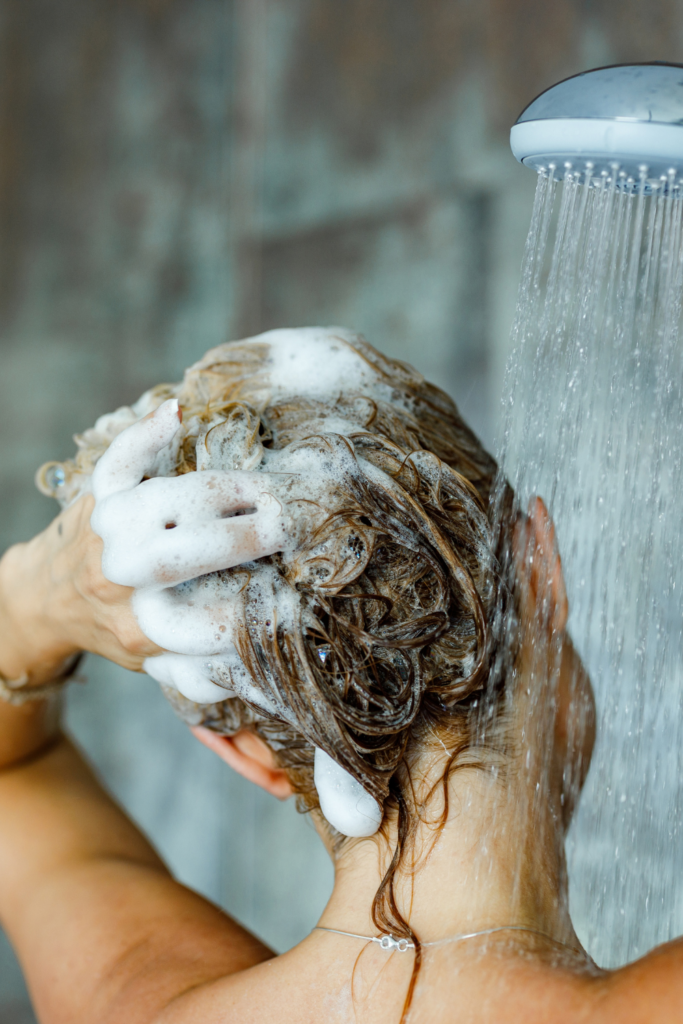
After washing, my hair feels softer and less tangled. I also notice less shedding compared to when I skip pre-poo.
Over time, this step has made my hair easier to manage and style.
How Many Times a Week Should You Pre-Poo Your Hair?

I usually do it once a week, but if my hair feels extra dry or damaged, I go for twice a week.
I’ve learned not to overdo it because too much product can lead to buildup, especially with low porosity hair.
Types of Pre-Poo
Oil-based pre-poo products
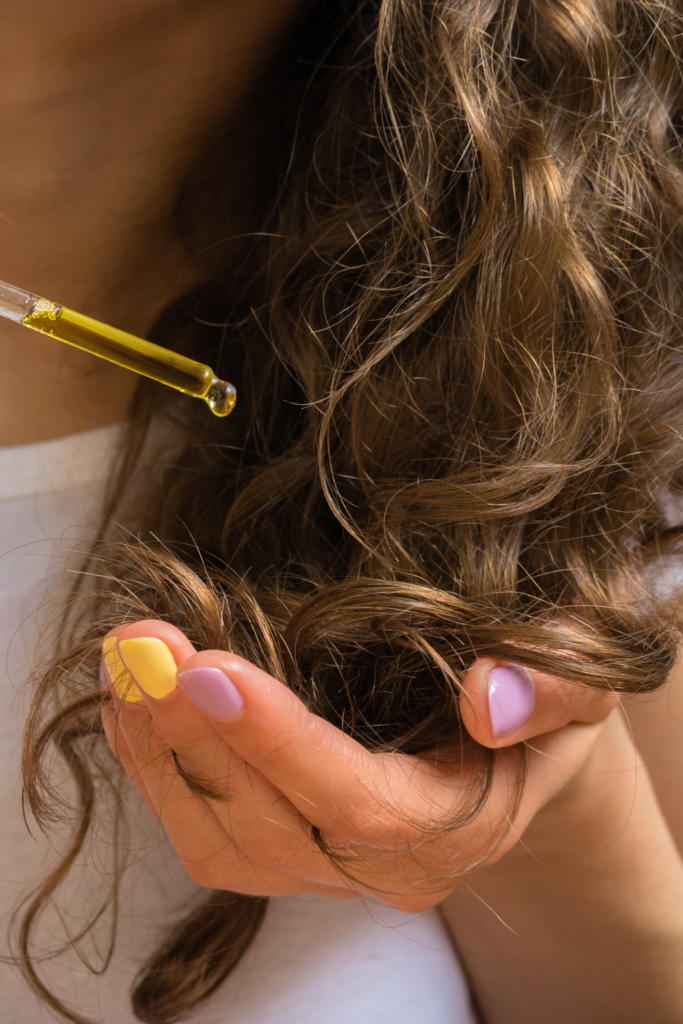
I use oils when my hair feels dry. Leaving them for a few hours works, but I avoid going overboard.
Light oils work better because heavy ones can sit on the surface.
Non-oil pre-poo products
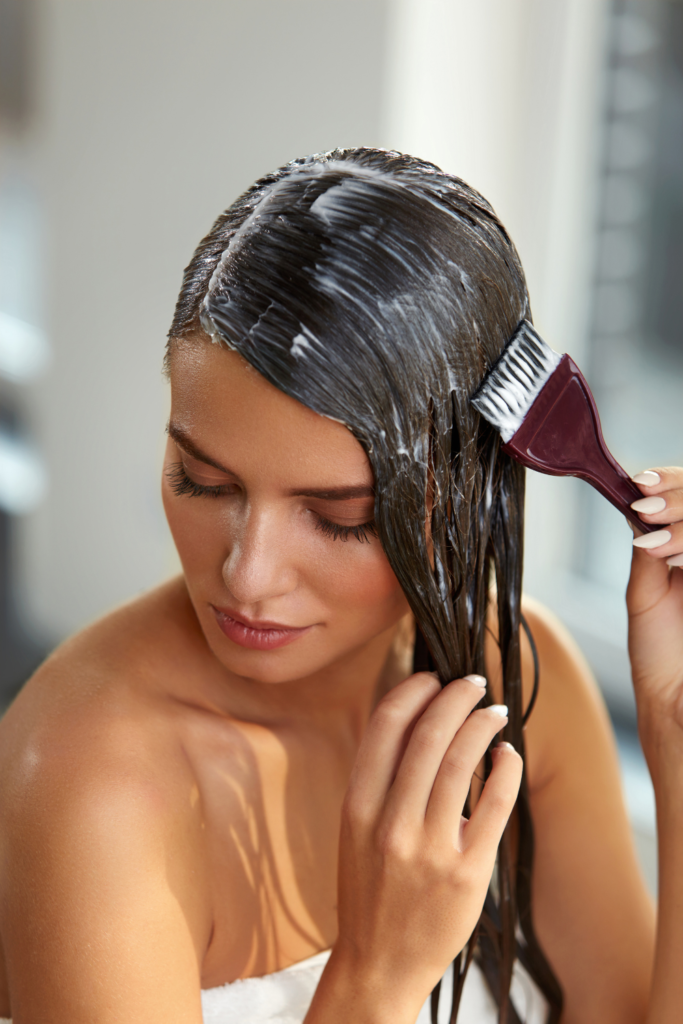
These are easier to wash out and feel lighter. I keep them on for about 1–2 hours.
They’re great when I don’t want my hair to feel greasy.
Butter-based pre-poo products

I only use these occasionally because they are heavy. A few hours is enough.
Leaving them overnight doesn’t work well for my hair.
Of course, you can also DIY Your Pre-Poo & here’s how
Oils
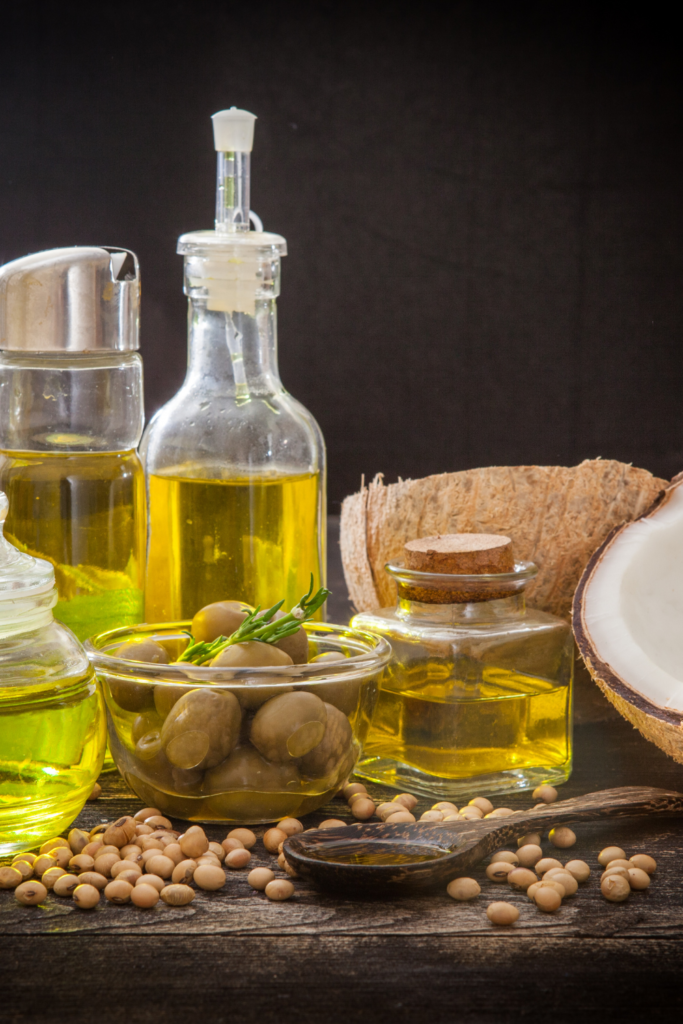
I’ve tried different oils, and lightweight ones give the best results. Heavy oils can sometimes just sit on the surface.
Masks
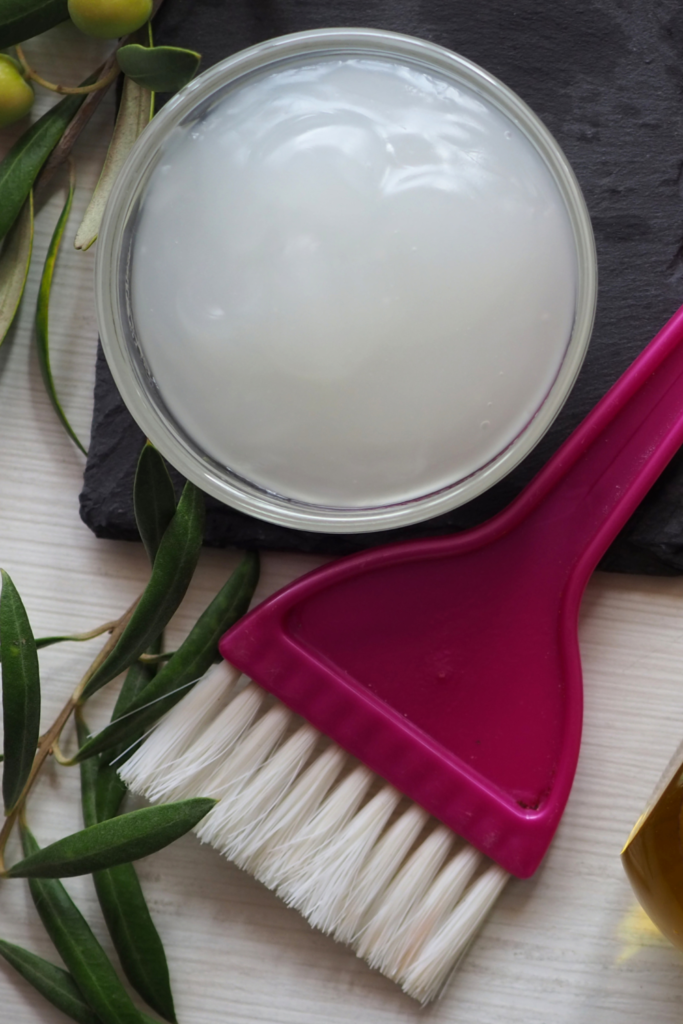
DIY masks like yogurt, aloe vera, and honey help when my hair feels dull.
They add moisture without making my hair greasy.
Butter
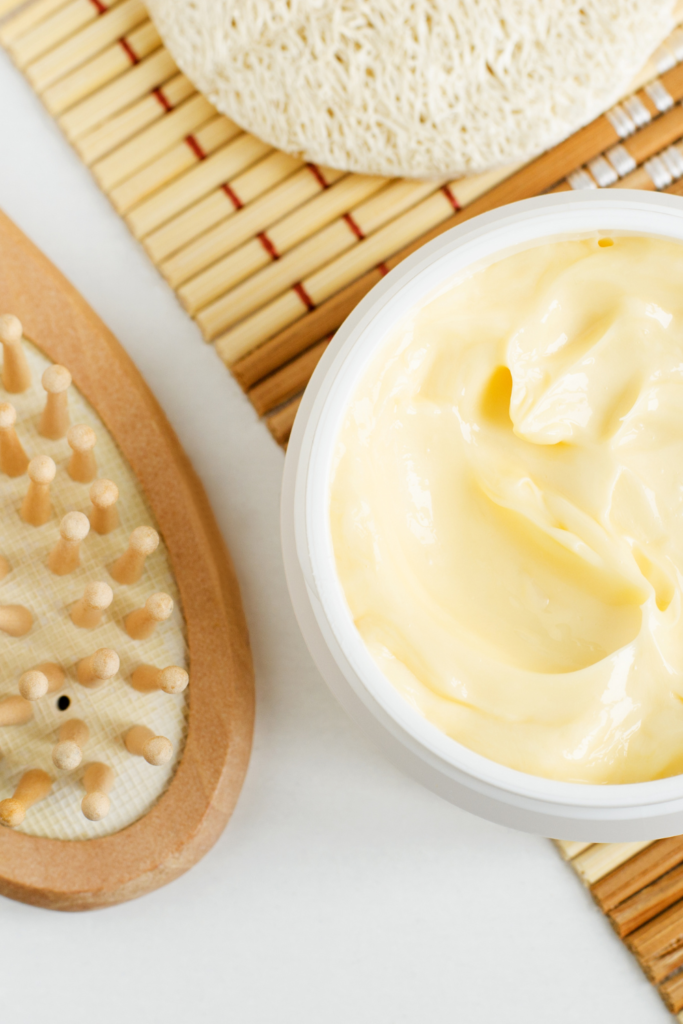
Natural butters work when my hair feels extremely dry. I use them occasionally, not regularly.
Clarifying shampoo treatments

Whenever I feel buildup, I use clarifying treatments like apple cider vinegar.
This helps remove residue so moisture can actually reach my hair.
Dos and Don’ts of Pre Pooing low porosity hair
Dos

I always pre-poo on dry hair because it works better for absorption.
Massaging my scalp also helps improve circulation and product distribution.
Don’ts

I avoid heavy products when my hair already feels weighed down.
I also skip oils if my scalp feels greasy to prevent buildup.
My top 4 must-haves to nicely pre-poo for low porosity hair
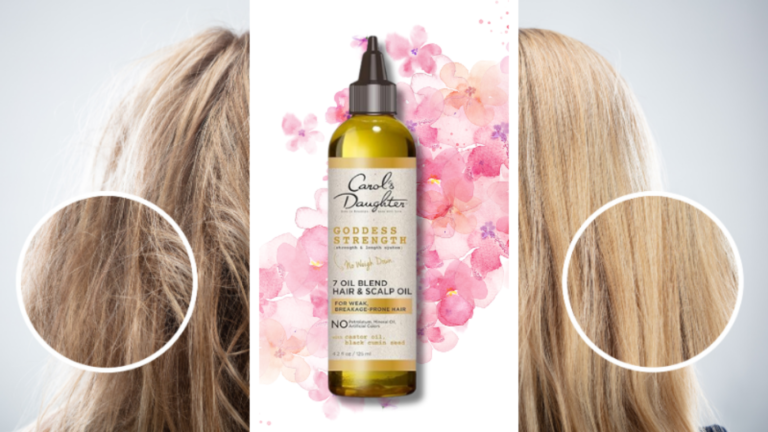
Carol’s Daughter Goddess Strength 7 Oil Blend Hair & Scalp Oil
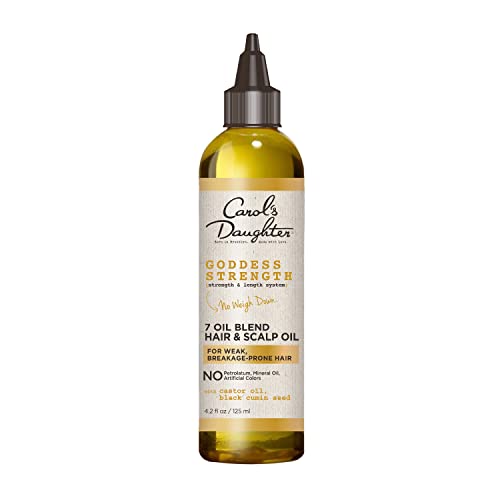

I like this because it combines multiple oils, so I don’t have to mix anything myself. It helps reduce breakage over time.
African Pride Moisture Miracle Detangle & Condition Pre-Shampoo
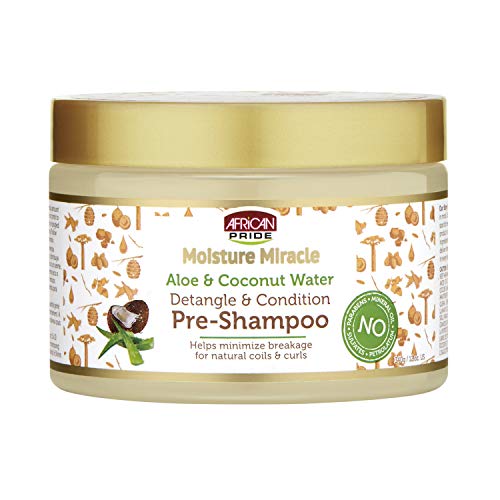
This makes detangling easier for me and reduces hair fall during wash day.
Yes To Tea Tree Pre-Shampoo Scalp Scrub
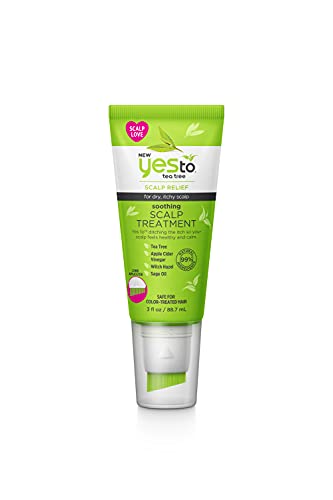
I use this when I feel buildup. It cleans my scalp without drying it out.
Renewalize Certified Organic Olive Oil
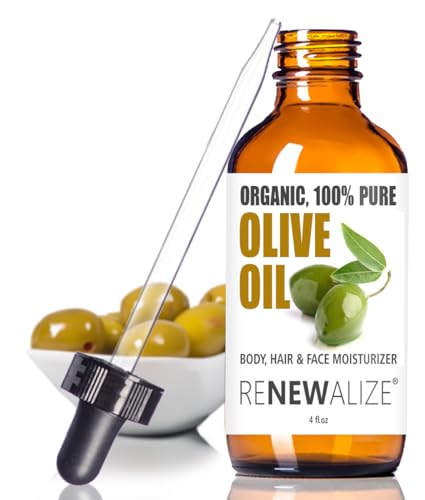
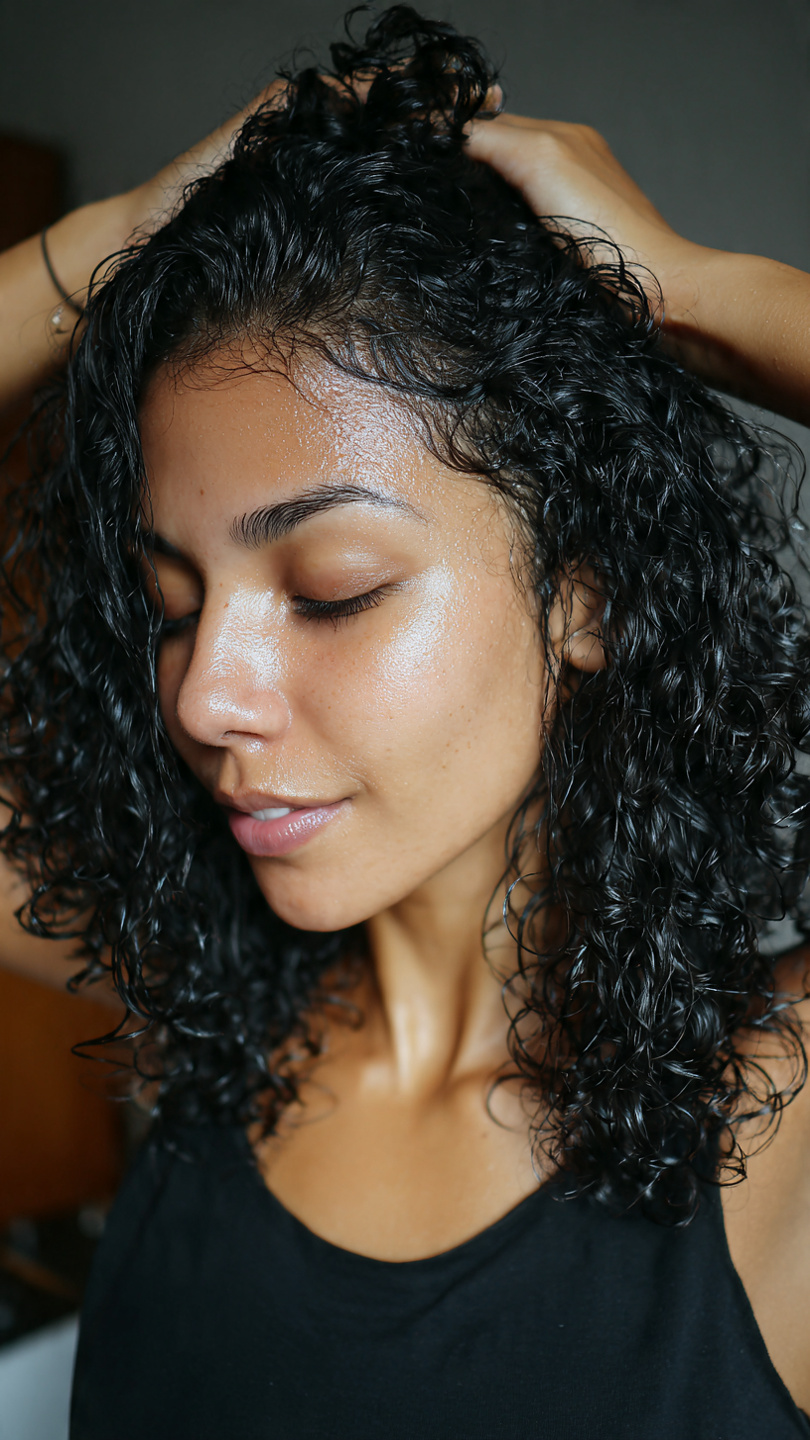
Honestly, simple olive oil works well for me. With consistent use, my hair feels softer and smoother.
FAQ,s
Q. Can I pre-poo my hair if it is dirty?
Yes, I actually prefer doing it on dirty hair because it helps loosen buildup before shampooing.
Q. I have straight hair. Can I pre poo?
Yes, this method works for all hair types. I’ve seen results regardless of texture.
Q. How often should I pre-poo my hair?
I stick to once or twice a week depending on how dry my hair feels.
Conclusion
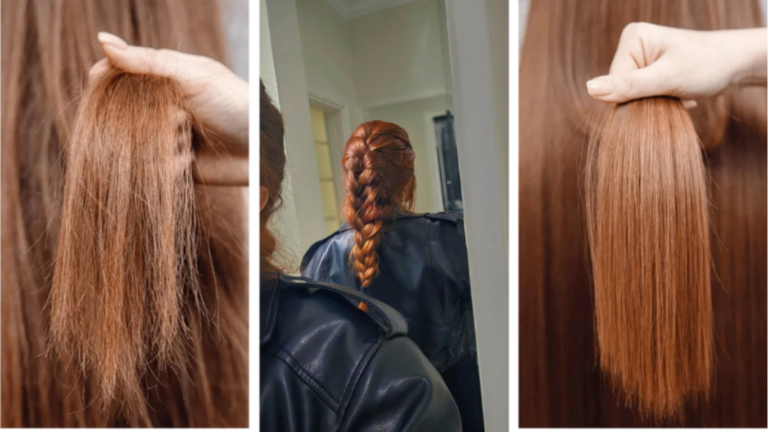
From my personal experience, sticking to a proper Pre-poo for Low Porosity Hair routine is one of the simplest ways to fix dryness, frizz, and constant breakage. I used to rely only on conditioners, but they never worked fully because my hair wasn’t ready to absorb anything. Once I started pre-pooing consistently, I noticed a real difference in how my hair felt and behaved after every wash.
What really helped me was understanding that low porosity hair needs preparation, not just treatment. When I take a little extra time before shampooing,whether it’s detangling, sectioning, or using the right oil,my hair becomes softer, easier to manage, and less prone to damage. Over time, I also saw reduced split ends and smoother texture, which honestly made styling much less stressful.
I’ve learned that there’s no one-size-fits-all method. Some weeks my hair needs oils, other times a light mask works better. Paying attention to how my hair feels has been more effective than blindly following routines. That’s something I always recommend,observe your hair, not just trends.
Another thing I can’t ignore is consistency. Doing this once in a while won’t give visible results. But when I made it part of my weekly routine, the improvement was noticeable within a few weeks. My hair retained moisture longer, and I didn’t have to overload it with products afterward.
If you’re struggling with buildup, dryness, or hair that just won’t cooperate, I genuinely think giving pre-pooing a proper try can help. Start simple, keep it consistent, and adjust based on your hair’s needs. Over time, you’ll figure out what works best for you,and that’s when your hair routine finally starts making sense.