Outfits
How to Look Expensive Without Trying (Think Effortless Old-Money Energy)
This guide explains that real luxury is not about wearing obvious designer brands or spending beyond your means. Instead, it focuses on confidence, clean styling, and thoughtful details that make someone appear polished and refined. The idea is that when your clothes fit well, your grooming is neat, and your presence feels calm, you naturally Look Expensive Without Trying. True elegance is subtle, controlled, and never loud.
1. Curate a Signature Color Palette
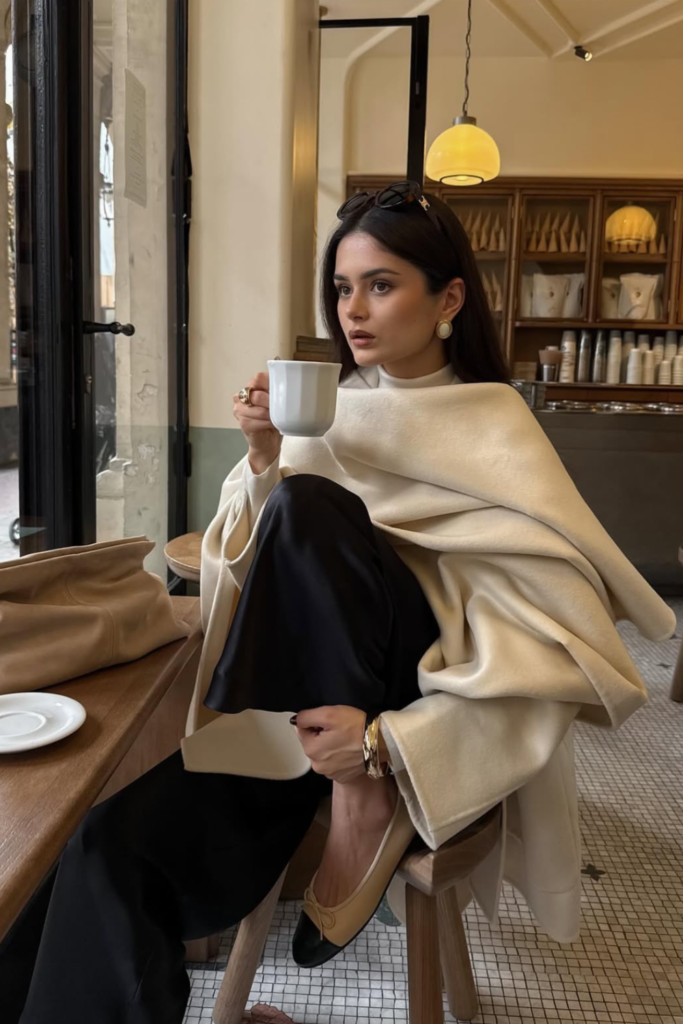
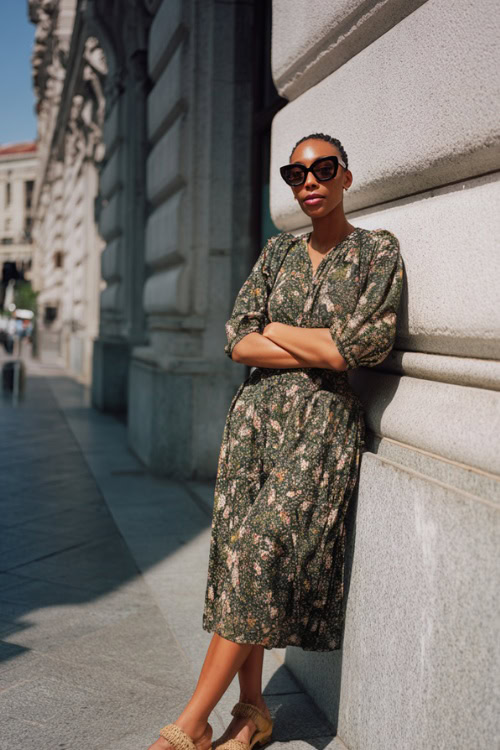
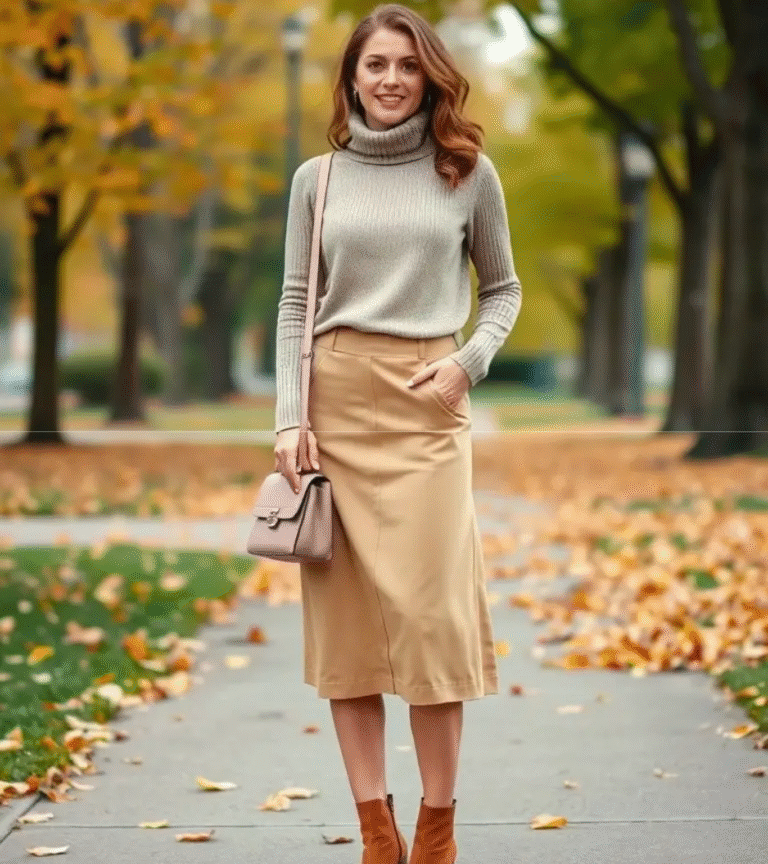
This section highlights the power of consistency in color choices. Rather than constantly following new trends, it suggests choosing a few flattering shades and building your wardrobe around them. Neutrals like camel, ivory, black, olive, and charcoal help create a cohesive and intentional closet. Repeating similar tones makes outfits look well-planned and elevated. Adding one soft accent color gives personality while still maintaining a refined, put-together appearance.
2. Smell Like You Belong in Silk Sheets
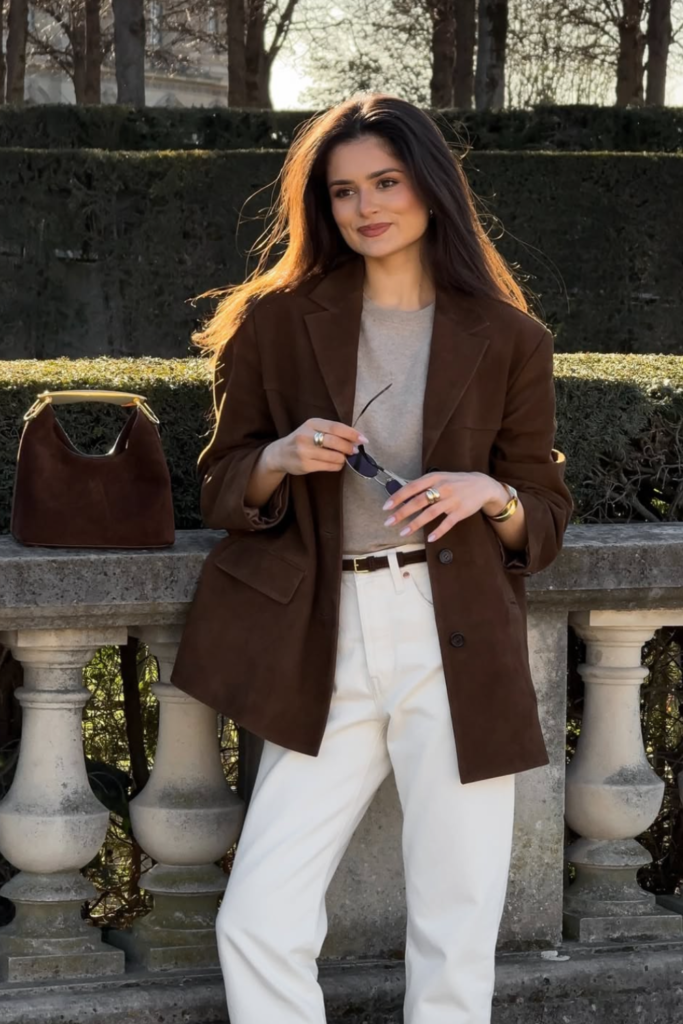
Here, the focus shifts to fragrance as part of your overall image. Smelling good consistently creates a memorable impression and adds to an expensive aura. Instead of owning many random perfumes, it recommends sticking to one scent family so people associate that signature smell with you. Layering matching body products helps the fragrance last longer and feel more luxurious throughout the day.
3. Tailor Everything (Even Cheap Clothes)
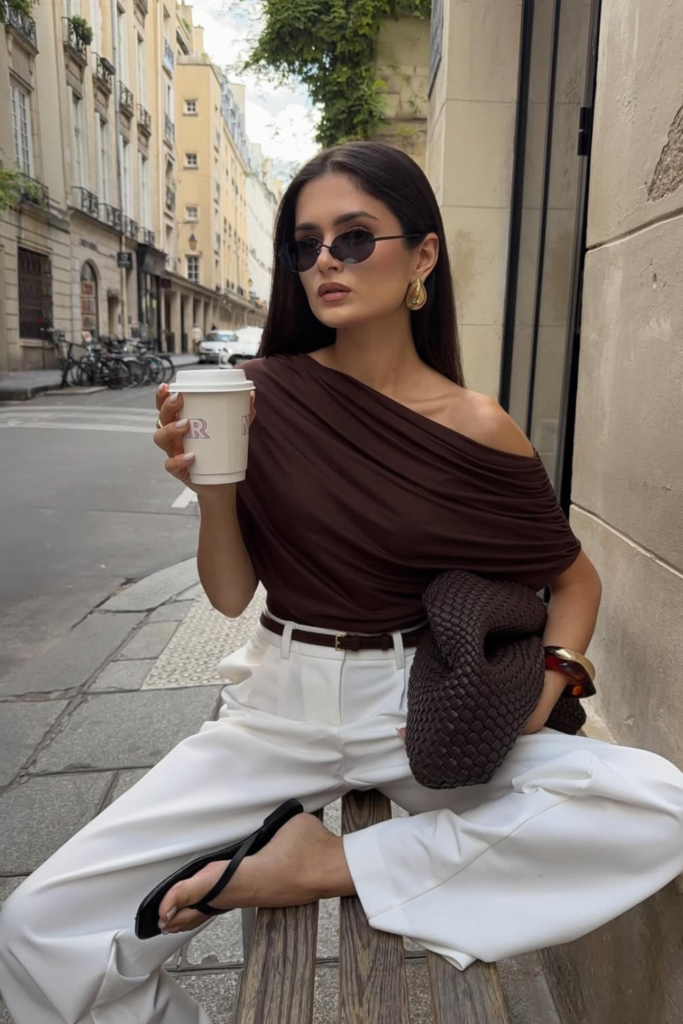
This part explains that proper fit is one of the biggest factors in looking polished. Clothes that are adjusted to your body instantly appear more high-end, regardless of price. Simple tailoring like fixing hemlines or adjusting sleeves can completely transform basic pieces. If tailoring is not possible, small styling tricks such as neat cuffs and intentional tucks can still improve how your outfit looks. Well-fitted clothing always appears more refined than ill-fitting designer items.
4. Master the “Quiet Luxury” Silhouette
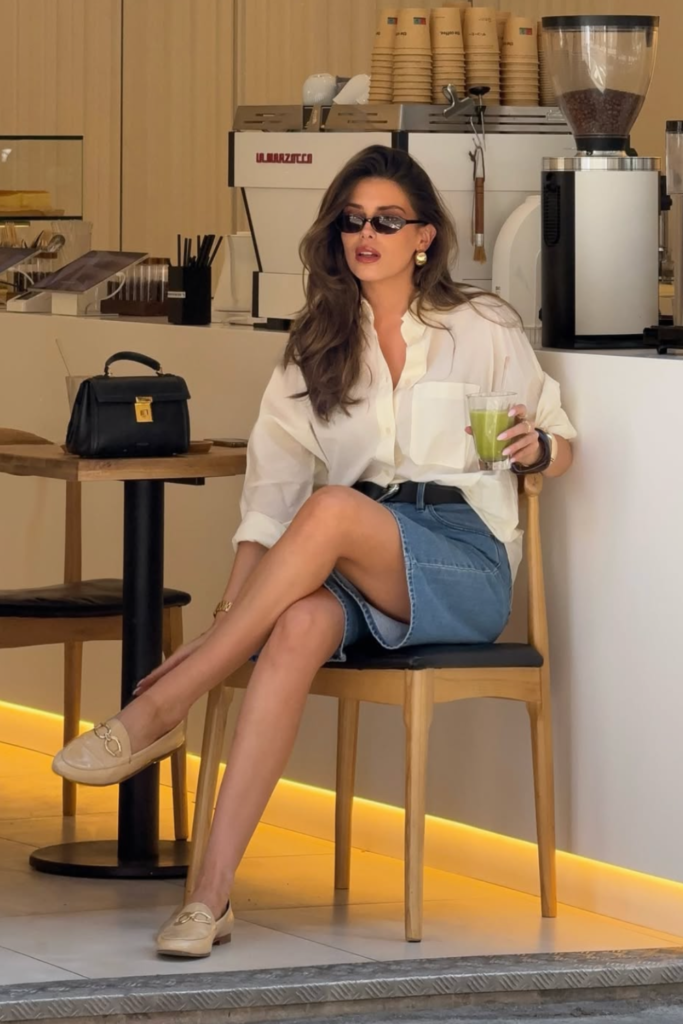
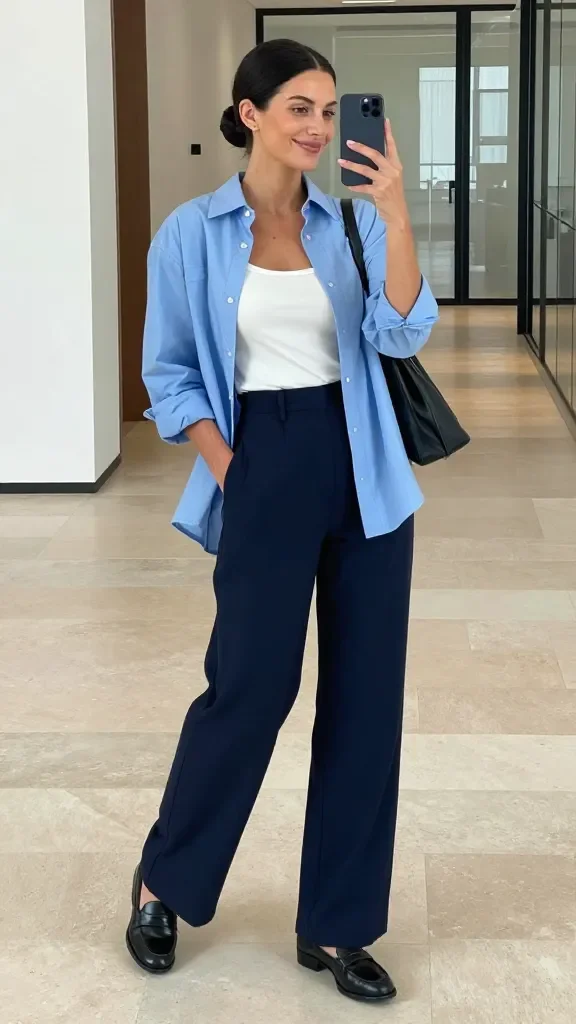
This section focuses on clean shapes and balanced proportions. Instead of tight or flashy outfits, it encourages structured yet soft silhouettes made from quality fabrics. Pieces like wide-leg trousers, crisp shirts, long coats, and pointed shoes create an understated old-money aesthetic. The key is choosing clothing that skims the body rather than clings to it, allowing movement to feel effortless and graceful.
5. Invest in the “Hero Five”
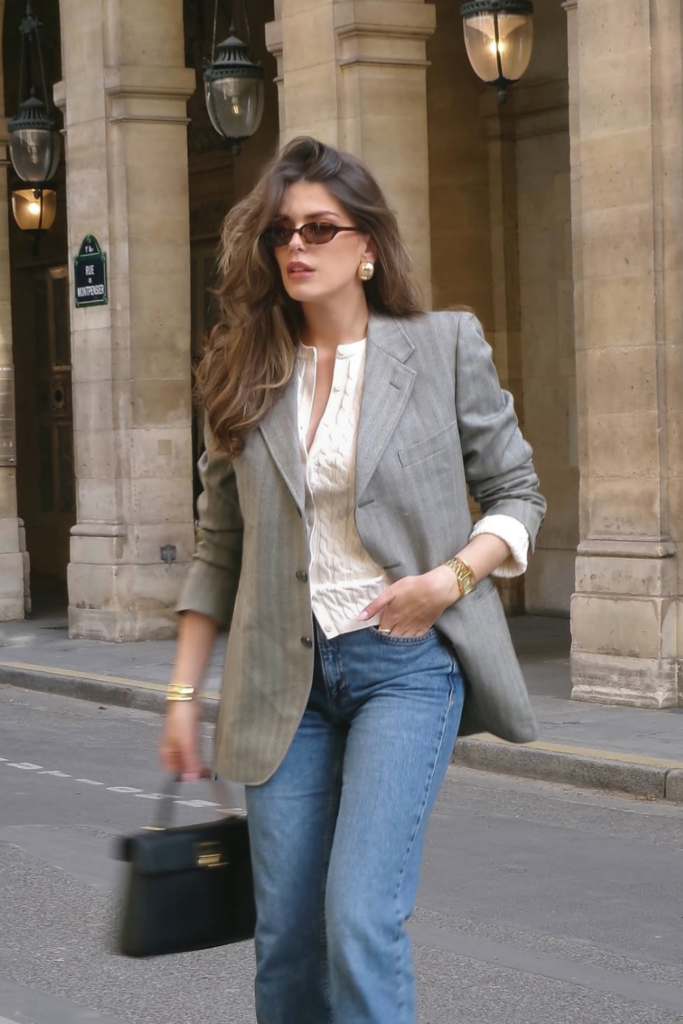
Here, the article explains that building an elevated wardrobe does not require endless shopping. A few strong foundation pieces can carry multiple outfits. A structured blazer, well-fitted trousers or jeans, a neutral coat, a classic leather bag, and timeless shoes create a reliable base. Once these essentials are in place, affordable items can easily be styled around them while still maintaining a sophisticated appearance.
6. Prioritize Texture Over Trend
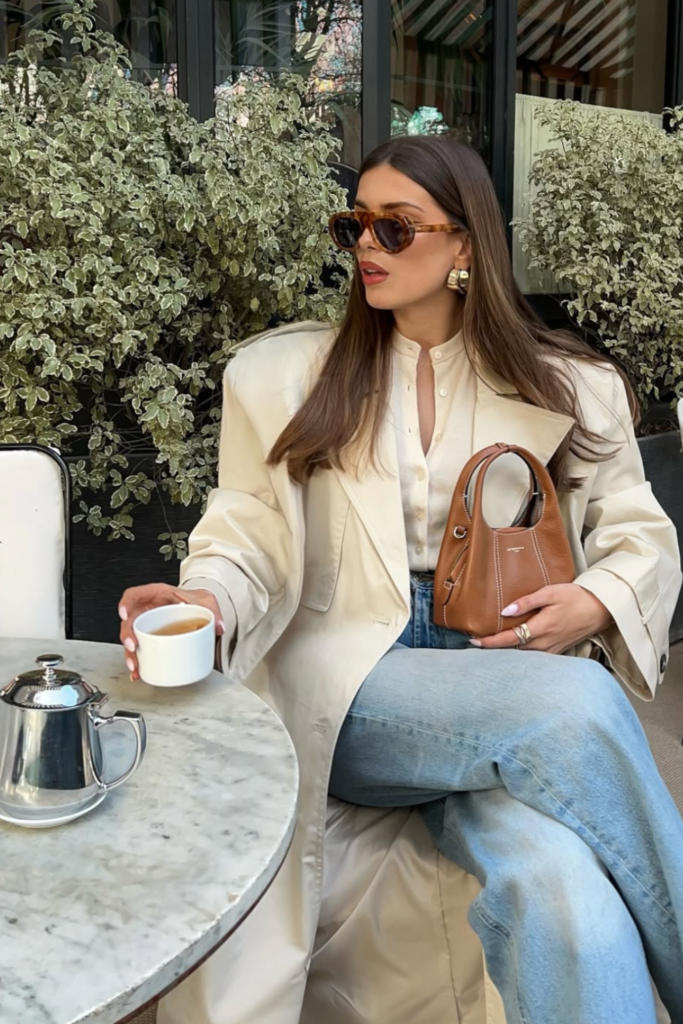
This section emphasizes depth through fabric choices instead of chasing fast-changing fashion trends. Mixing textures like satin, wool, linen, leather, cotton, and silk adds visual richness to outfits. Matte finishes and soft materials tend to look more refined, while overly shiny synthetic fabrics can appear cheap. Thoughtful fabric combinations help create dimension and subtle luxury.
7. Choose Jewelry Like You’re Curating an Heirloom Box
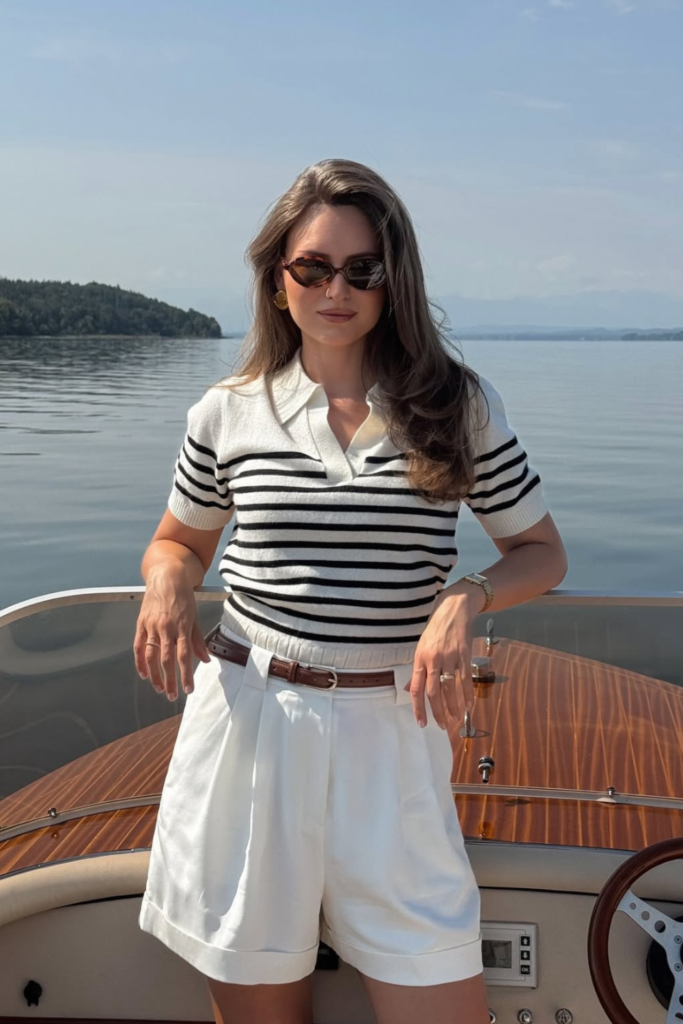
Jewelry should feel timeless rather than trendy. Instead of bold statement pieces, delicate classics such as small hoops, pearl studs, fine chains, and simple watches create a polished look. The advice also includes keeping accessories minimal and coordinated, avoiding too many rings, and sticking to one metal tone when possible. Balanced layering and restraint are what make jewelry feel elegant instead of overwhelming.
8. Logos are loud, luxury is quiet.
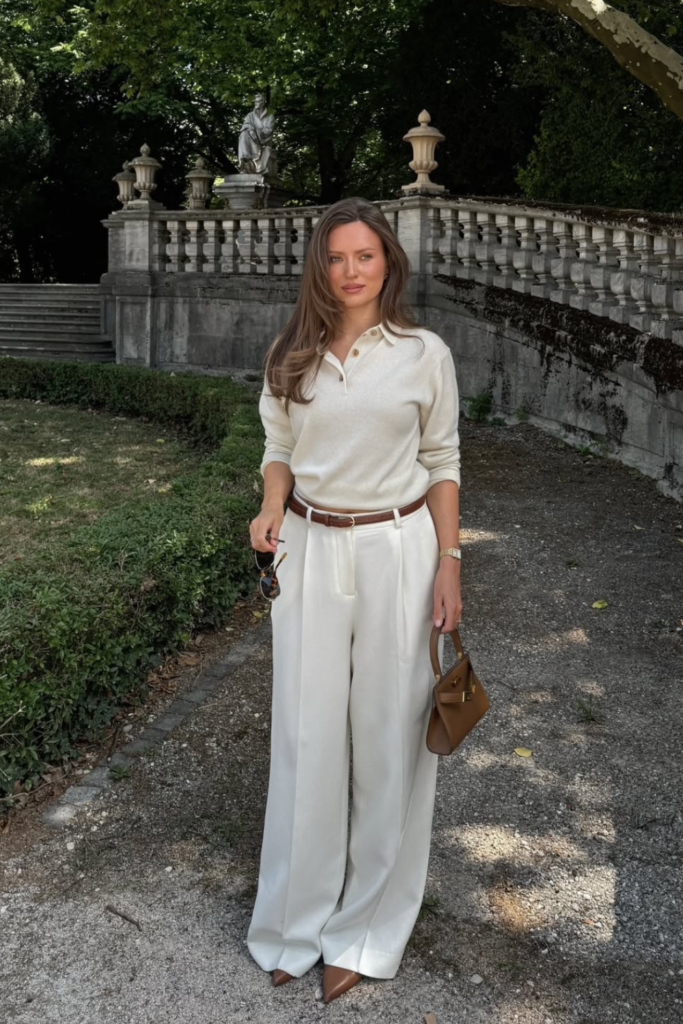
This section explains that excessive branding can reduce the overall sophistication of an outfit. Large logos and multiple visible brand names can feel flashy rather than refined. Subtle details like quality stitching, tonal embossing, and well-made hardware communicate craftsmanship better than obvious labels. Choosing clean designs with minimal visible branding helps maintain an understated and elevated image.
9. Choose your perfect sunglasses
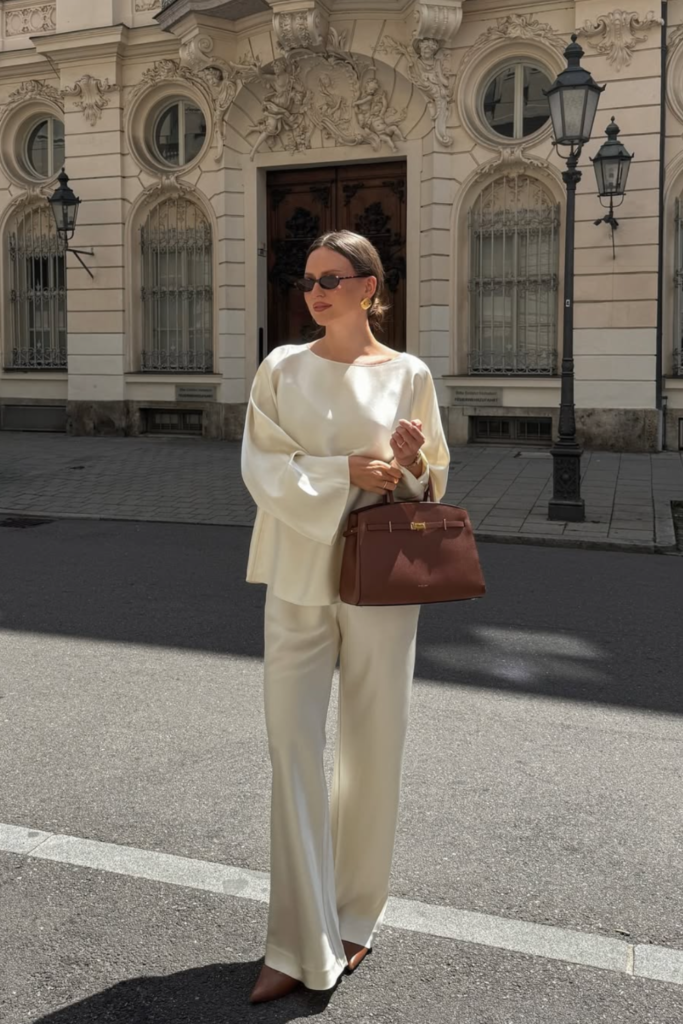
Sunglasses are described as a powerful finishing accessory that adds structure and mystery. Classic shapes that suit your face tend to look more timeless than overly trendy styles. Neutral frame colors like black or tortoiseshell and subtle metal details feel more refined. Keeping lenses clean and well-stored also plays a role in maintaining a polished look.
10. Bags: Structure Over Size
This section highlights that the shape of a handbag greatly affects how expensive it appears. Structured, boxy, or top-handle designs tend to look more elegant than overly slouchy totes. Matte leather finishes and minimal hardware contribute to a clean aesthetic. Proper storage helps maintain the bag’s shape, ensuring it always looks crisp and intentional.
11. The “Finish Factor” Rule
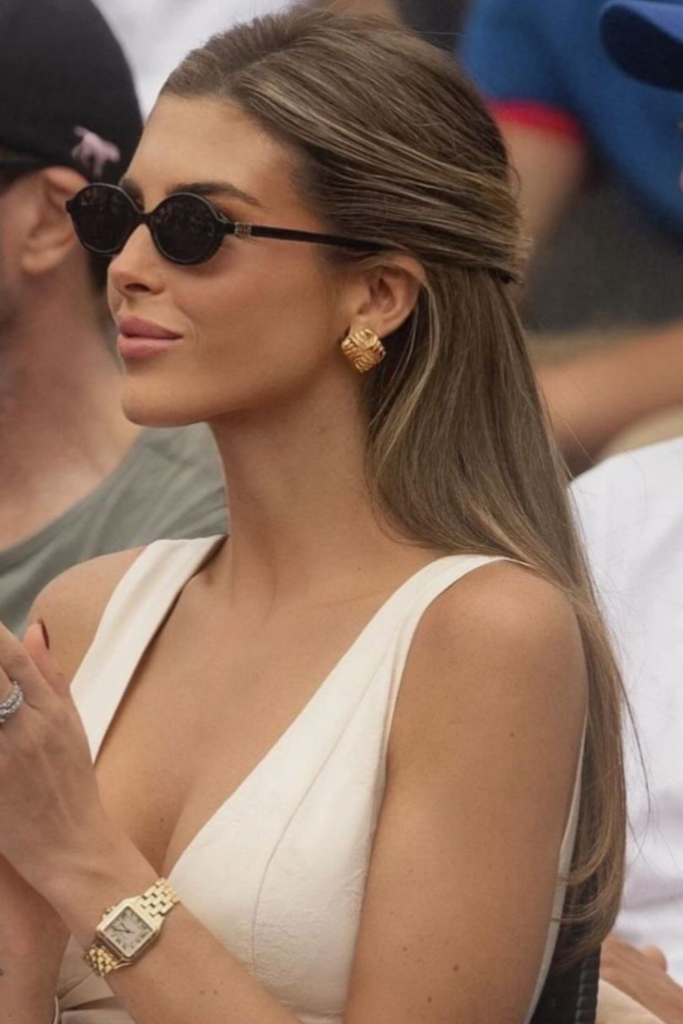
Attention to detail is presented as essential. Clothing that is steamed, ironed, lint-free, and neatly styled instantly looks more expensive. Even affordable brands can appear elevated when properly cared for. Keeping garments smooth, centered, and free of loose threads shows intention and effort, which strengthens the overall polished impression.
12. Shoes should be Quiet but Clean
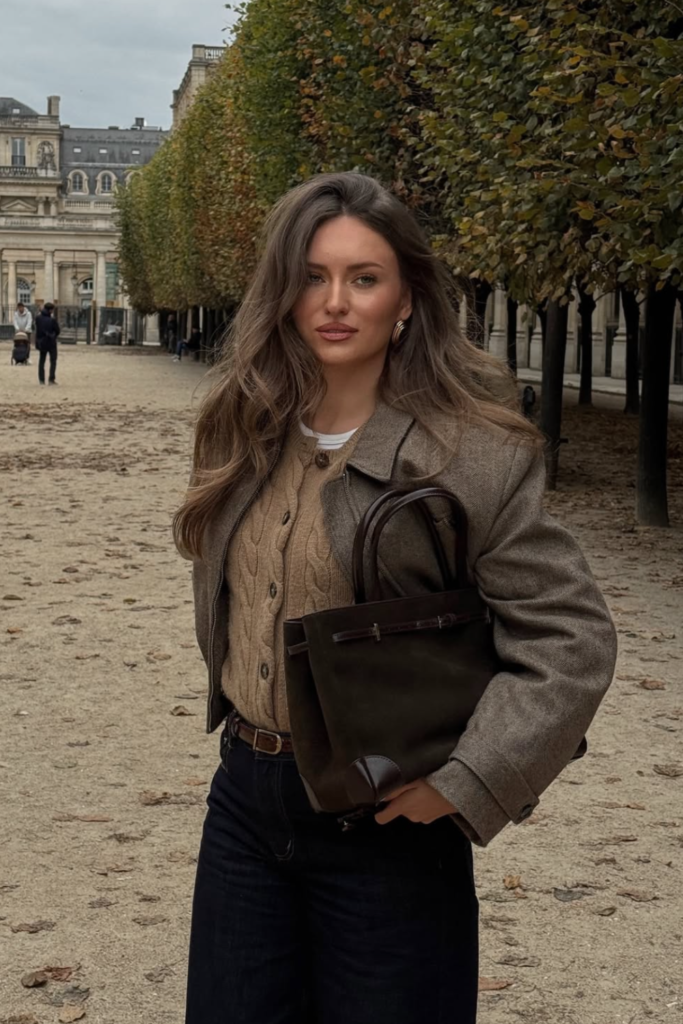
Shoes are described as one of the first details people notice. Clean, polished footwear in neutral tones enhances the overall outfit. Classic styles like loafers, flats, low heels, or simple sneakers work well for everyday wear. Maintaining soles and leather condition is more important than the price of the shoes themselves.
13. Hair = Halo
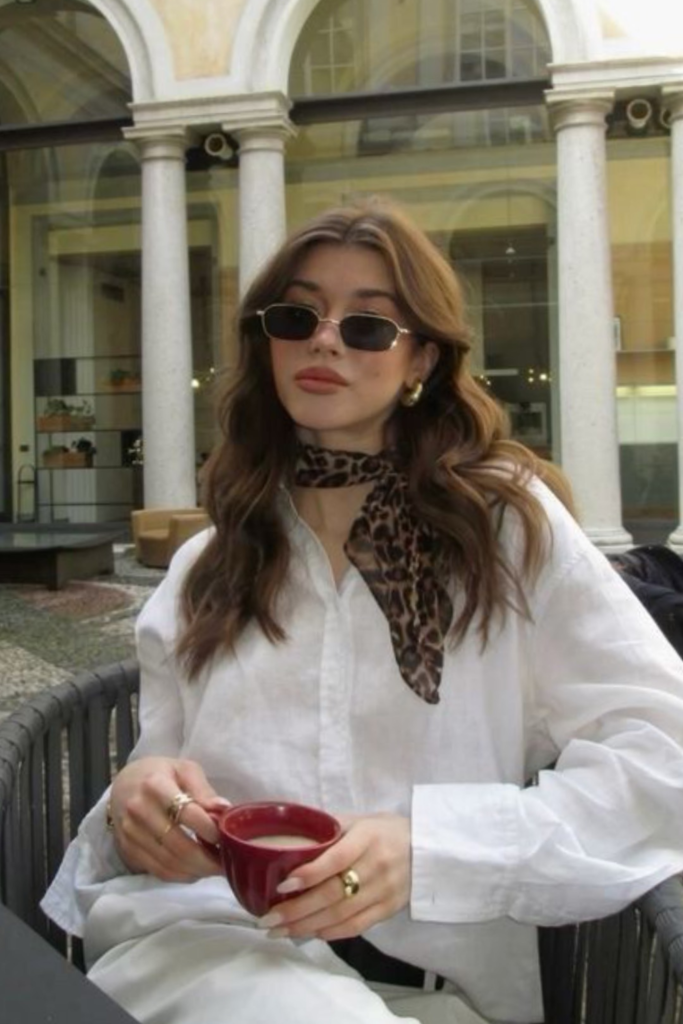
Hair is treated as part of the outfit. Healthy, shiny, and neatly styled hair adds to an expensive appearance. Over-processing, stiffness, or excessive frizz can reduce that polished effect. Having one reliable hairstyle and maintaining trims and scalp care keeps your overall look refined. Even second-day hair can appear intentional with the right products and styling.
14. Keep a Polished “Baseline” Look
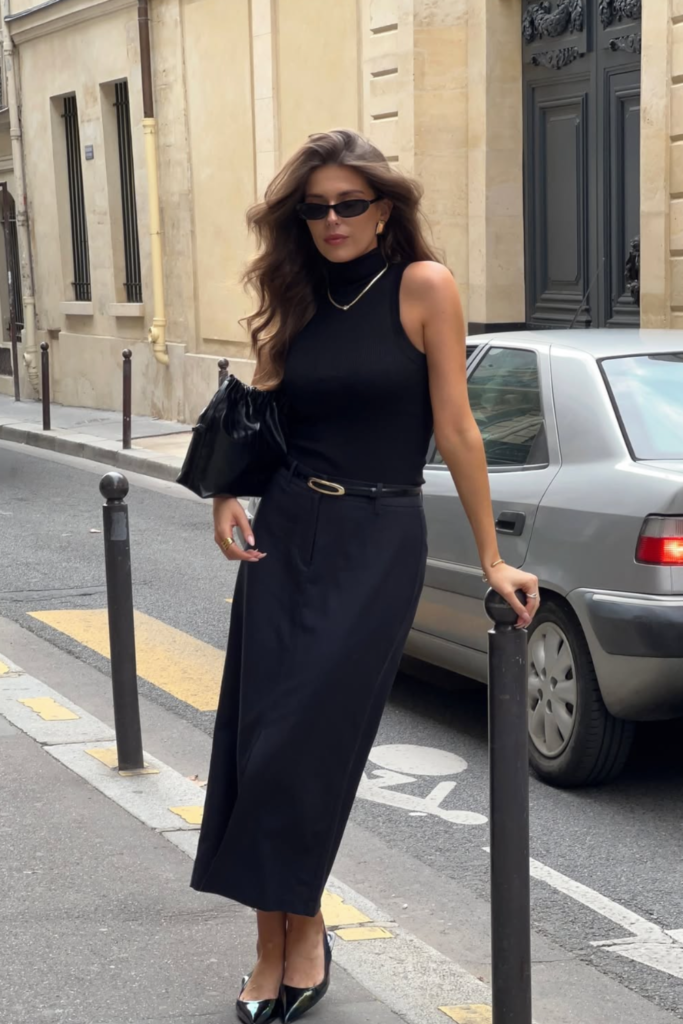
This section stresses the importance of simple grooming habits. Well-kept nails, hydrated skin, brushed brows, and a natural glow create a fresh and composed appearance. Full glam is not necessary; looking clean and finished is enough. Carrying a few small beauty essentials ensures you can maintain that polished baseline throughout the day.
15. Upgrade Your Everyday Objects
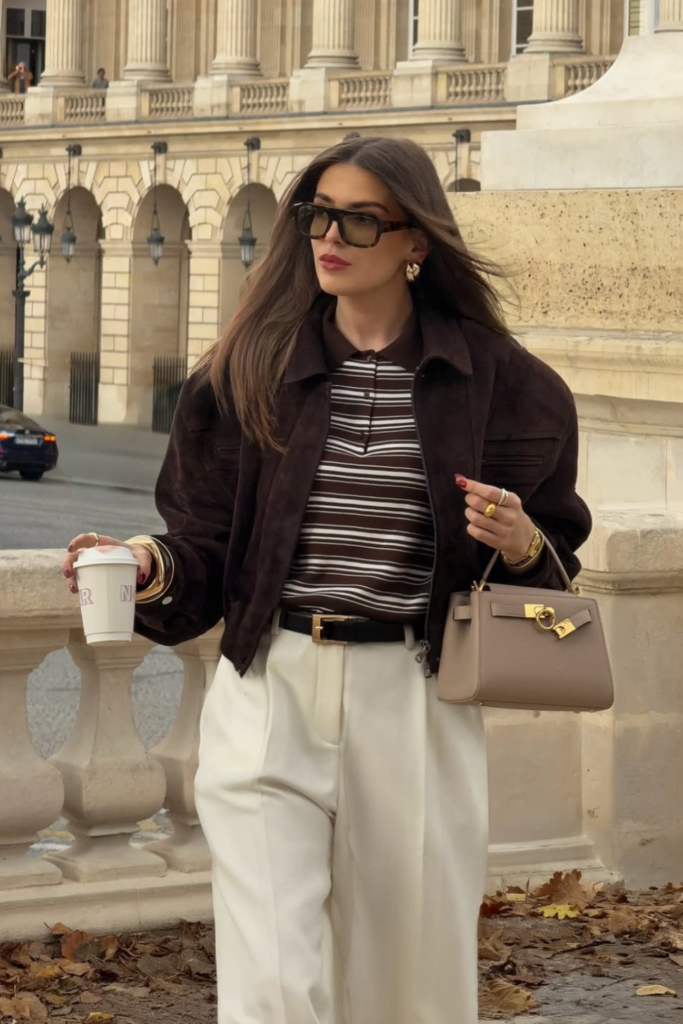
Luxury extends beyond clothing into daily items. Simple, neutral phone cases, planners, and water bottles contribute to a cohesive aesthetic. Organizing products neatly and reducing clutter makes your environment feel intentional and elevated. Even small changes in presentation can subtly support an overall refined image.
16. Speak Softly, Move Slowly, Smile Lightly
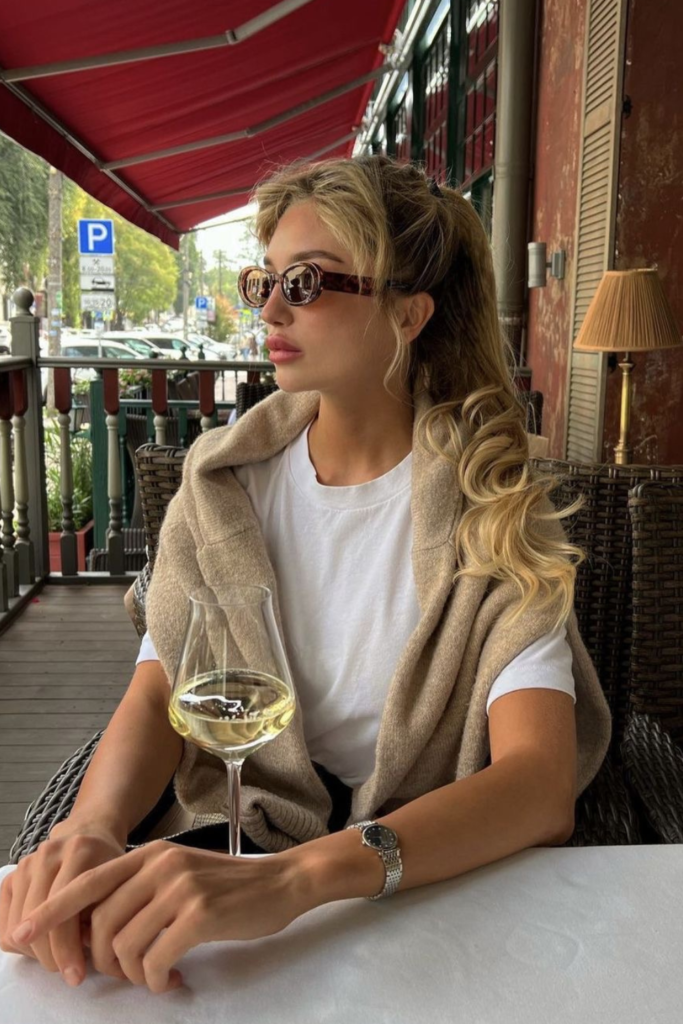
This section focuses on personal energy. Calm speech, relaxed movements, and controlled confidence create a strong impression. Rushing or over-explaining can weaken presence, while quiet assurance strengthens it. The way someone carries herself often communicates more than her outfit.
17. Develop Elegant Posture and Gestures
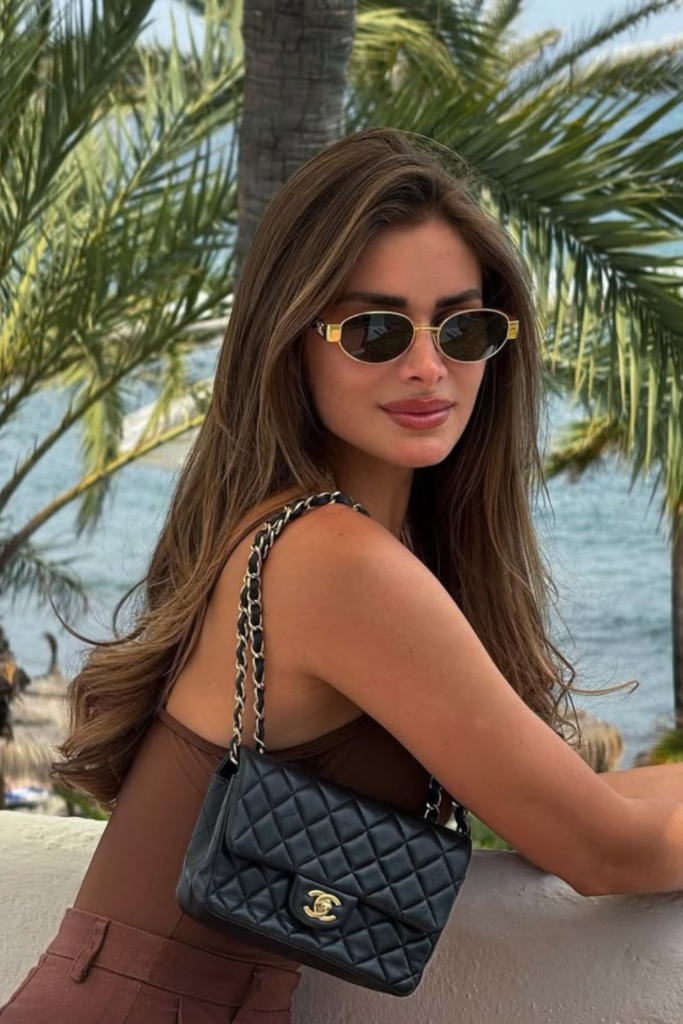
Posture and body language are presented as essential elements of elegance. Standing straight with relaxed shoulders and moving deliberately adds grace. Small gestures done slowly and intentionally signal composure and self-assurance. Controlled movements naturally enhance an expensive aura.
18. Create a Lifestyle That Matches the Aesthetic
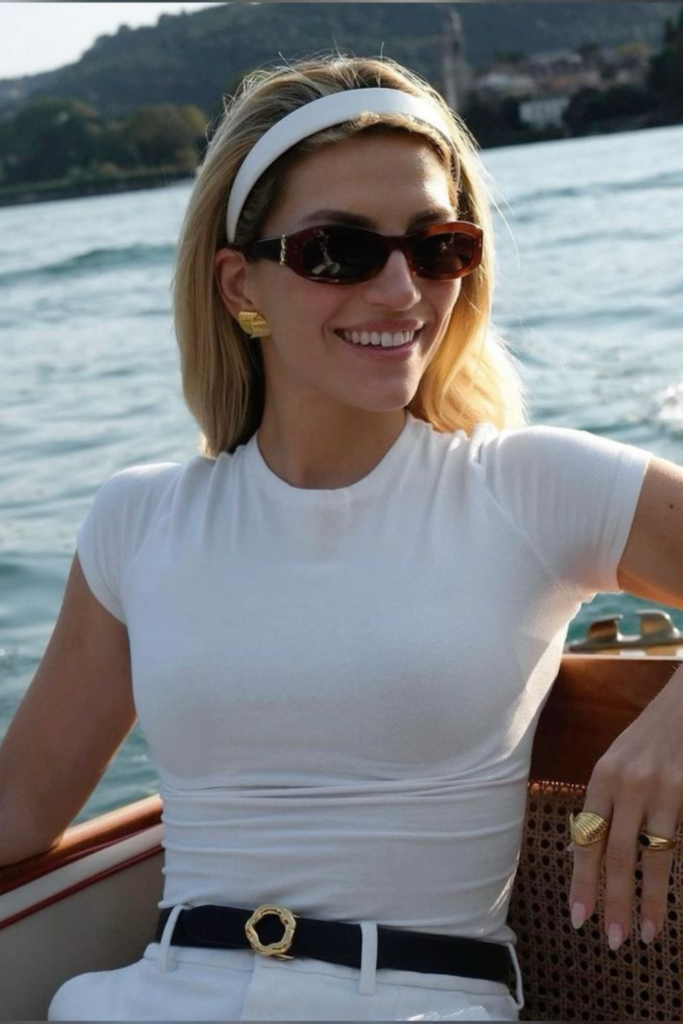
The final section explains that looking refined is also about daily habits. A clean living space, organized surroundings, and small rituals like fresh flowers or neatly made beds contribute to a luxurious rhythm of life. Romanticizing everyday routines and maintaining intentional habits helps you Look Expensive Without Trying because your environment and behavior align with your style.
Final Quiet-Luxury Tips You Don’t Hear Often
The closing advice includes carrying fewer items, dressing in monochrome outfits, keeping accessories minimal, and maintaining balance in textures. Subtle gestures, light smiles, and understated phone accessories reinforce a calm and confident presence. These small but thoughtful details tie everything together and strengthen the overall impression of effortless sophistication.
FAQs:
Q1: Do I need designer brands to look expensive?
A1: No, true luxury comes from fit, quality, and thoughtful styling, not brand labels.
Q2: What colors make me look more expensive?
A2: Neutrals like camel, black, ivory, olive, and charcoal, plus one soft accent color, create a cohesive, high-end look.
Q3: How important is tailoring?
A3: Extremely. Even inexpensive pieces can look elevated when properly fitted to your body.
Q4: Can accessories make a difference?
A4: Yes. Minimal, timeless jewelry, structured bags, and classic shoes all enhance a refined aesthetic.
Q5: Does lifestyle affect how expensive I look?
A5: Absolutely. Calm energy, polished habits, and organized spaces contribute to effortless sophistication.
Conclusion:
Looking expensive doesn’t require expensive brands—it’s about intentional choices, refined styling, and confident energy. By curating your wardrobe, focusing on fit, textures, and timeless accessories, and maintaining polished habits, you can naturally Look Expensive Without Trying and radiate quiet luxury every day.