Outfits
How to Dress Old Money After 50 Without Trying Too Hard
This article opens by acknowledging that getting dressed after 50 can sometimes feel more complicated than it used to. You may already understand your personal style, yet changes in your body or wardrobe can make outfits feel less effortless. When trying to Dress Old Money After 50 Without Trying Too Hard, it can feel especially challenging because this aesthetic relies on subtle elegance rather than obvious trends.
The introduction explains that achieving this look is not about copying social media inspiration or forcing yourself into styles that do not feel natural. Instead, it focuses on refinement and selecting timeless pieces that gently follow your shape and enhance your presence. The core idea is that true old money style after 50 comes from thoughtful choices, classic silhouettes, and quiet confidence rather than trend-chasing. It also hints that following a few simple, consistent style principles can make dressing well at this stage feel easier and more authentic.
1. Tailoring Over Trends
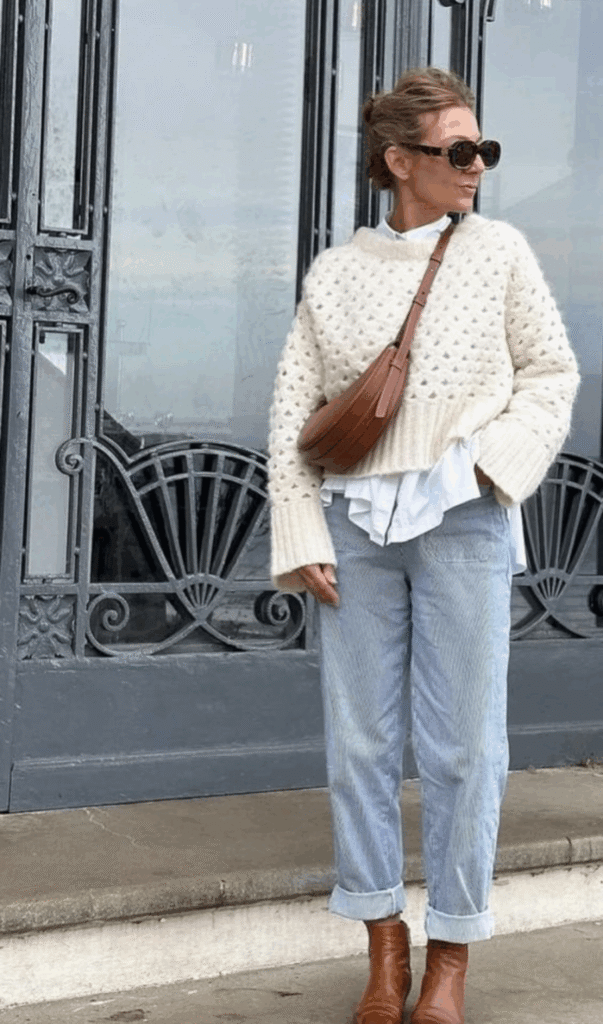
When you want to Dress Old Money After 50 Without Trying Too Hard, the first thing to focus on is fit. The article explains that the right tailoring can completely change how an outfit looks and feels. Clothes should gently follow your shape instead of pulling tightly or hanging loosely. When pieces are adjusted to your body, they instantly look more refined and flattering. A neatly tailored blazer or trousers that hit at the right ankle length can elevate even simple wardrobe basics. The emphasis is on choosing adjustments that highlight your best features and making small alterations like hemming pants or shaping a jacket at the waist. The overall idea is clear: proper fit always looks more polished than following fast-changing trends.
2. Fabrics That Move With Grace
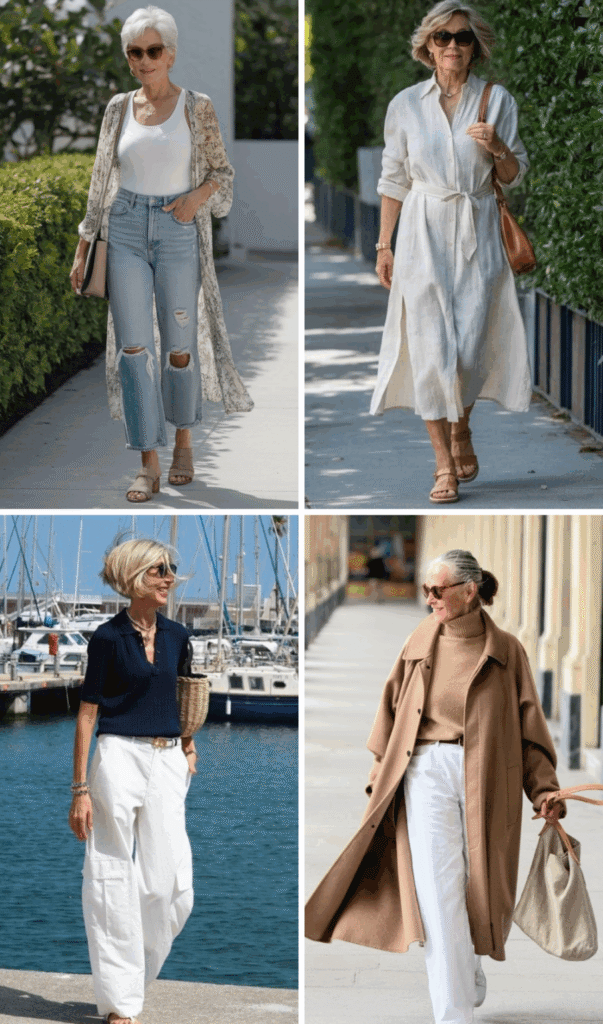
To Dress Old Money After 50 Without Trying Too Hard, fabric choice matters just as much as fit. The article highlights the importance of natural materials like silk, wool, linen, and cotton because they drape beautifully and feel substantial. These fabrics tend to age well and create a soft, elegant movement when you walk. Instead of stiff or noisy materials, the focus is on quiet luxury that feels comfortable and breathable. Flowing hemlines, column shapes, and slightly cropped pants add a modern yet timeless touch. The key takeaway is to choose textiles that feel rich and comfortable against the skin, since quality materials naturally create a graceful and sophisticated appearance.
3. Stick to Heritage Neutrals
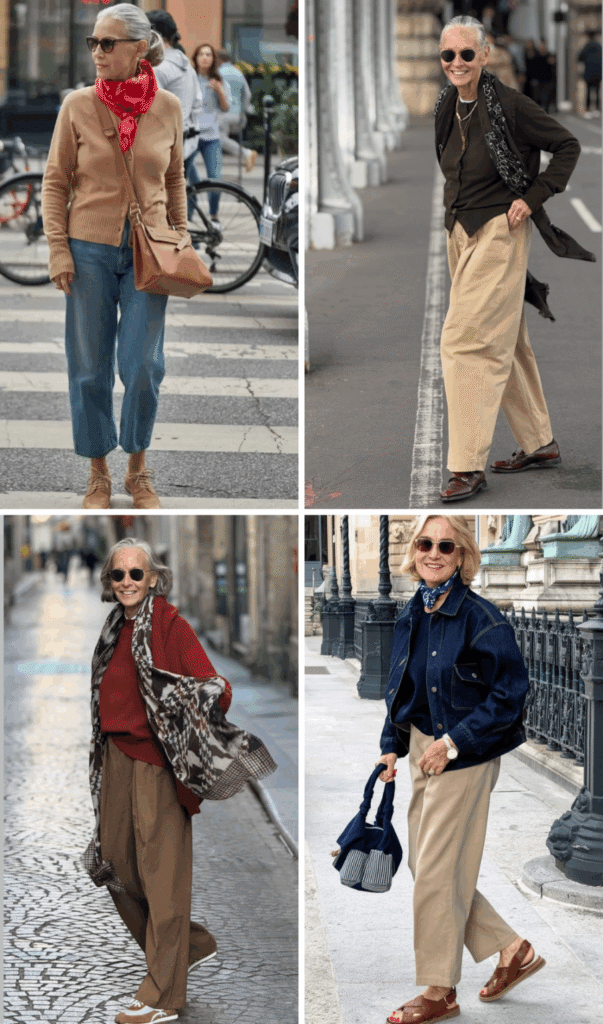
Color plays a big role in achieving this aesthetic. The article suggests building a wardrobe around a small group of classic neutral shades such as camel, navy, taupe, and ivory, then adding a few soft accent colors. These tones blend easily, allowing you to mix pieces without clashing. When your palette is cohesive, outfits look harmonious and effortless. To Dress Old Money After 50 Without Trying Too Hard, sticking to these heritage neutrals creates a signature look that feels calm and consistent. The idea is that understated colors enhance mature complexions and always appear elegant, especially in natural light.
4. Monotone and Low-Contrast Dressing
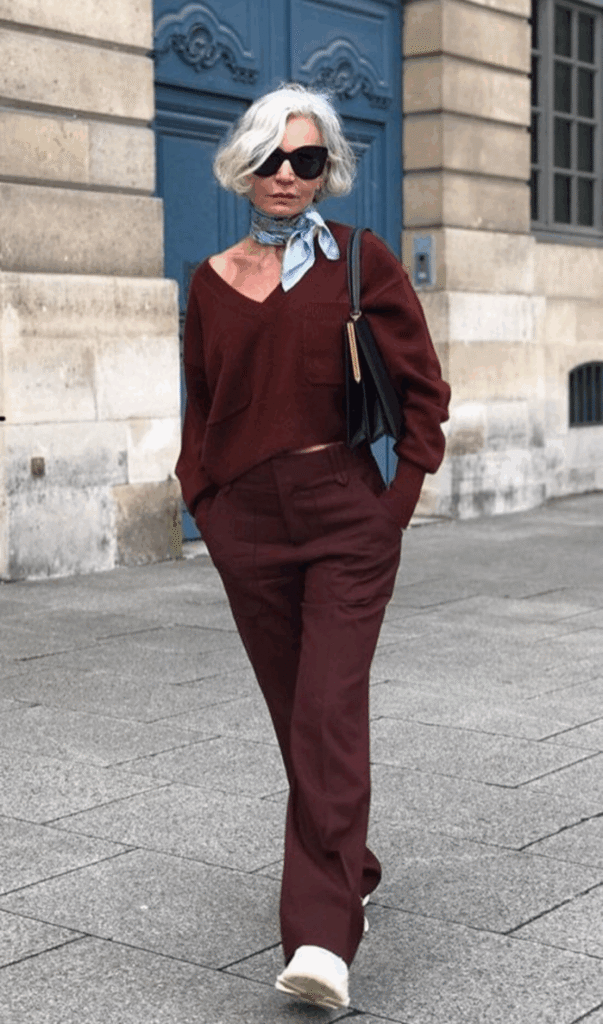
Wearing one color from head to toe or combining similar tones is another way to create a refined impression. The article explains that tonal dressing gives an outfit depth without being loud. Instead of relying on bold color contrasts, subtle shade differences add interest. Texture becomes more important than bright hues, so pairing different materials within the same color family keeps things visually rich. Accessories in slightly varied tones can also add quiet dimension. To Dress Old Money After 50 Without Trying Too Hard, this method creates a smooth, elongated silhouette that looks both modern and timeless.
5. Skip the Logos and Flashy Buttons

True elegance doesn’t depend on visible branding. The article stresses avoiding oversized logos, shiny details, or heavy hardware that draws too much attention. Instead, it recommends subtle finishes, classic buttons, and understated craftsmanship. Details that are not immediately obvious often feel more luxurious. When you Dress Old Money After 50 Without Trying Too Hard, the goal is to look refined without appearing like you are trying to impress anyone. The focus remains on quiet details and quality construction rather than bold displays of labels.
6. Invest in the Signature Three
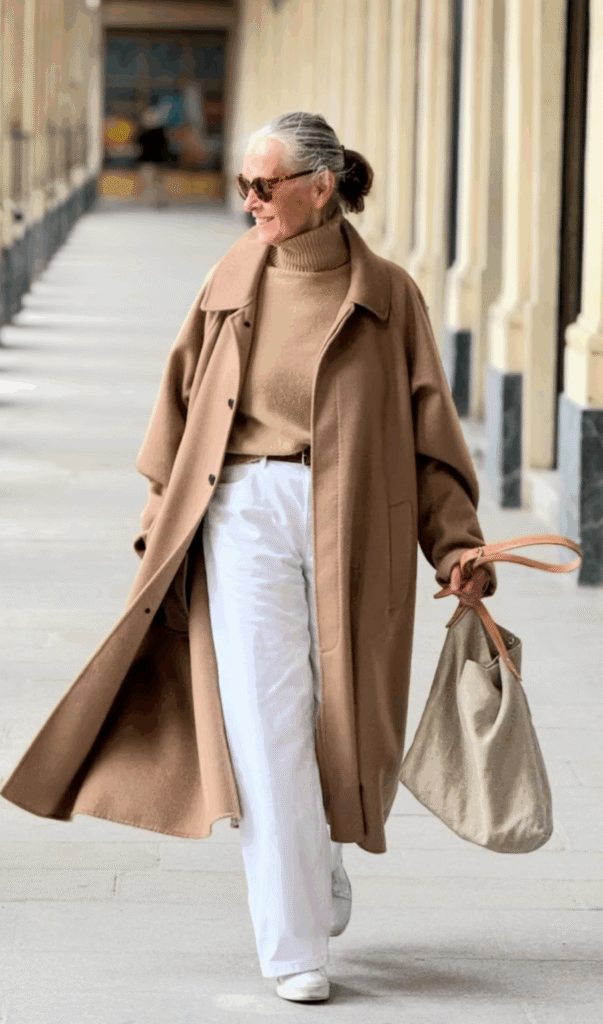
Rather than filling your closet with countless items, the article advises investing in three essential pieces: a tailored blazer, a classic coat, and a structured leather bag. These staples form the backbone of a timeless wardrobe. They can instantly elevate simple outfits like jeans and knitwear. To Dress Old Money After 50 Without Trying Too Hard, having these dependable, well-made pieces ensures you always have something polished to reach for. Structure, clean lines, and durable materials are emphasized as the elements that make these items stand out.
7. Incorporate One Masculine Touch
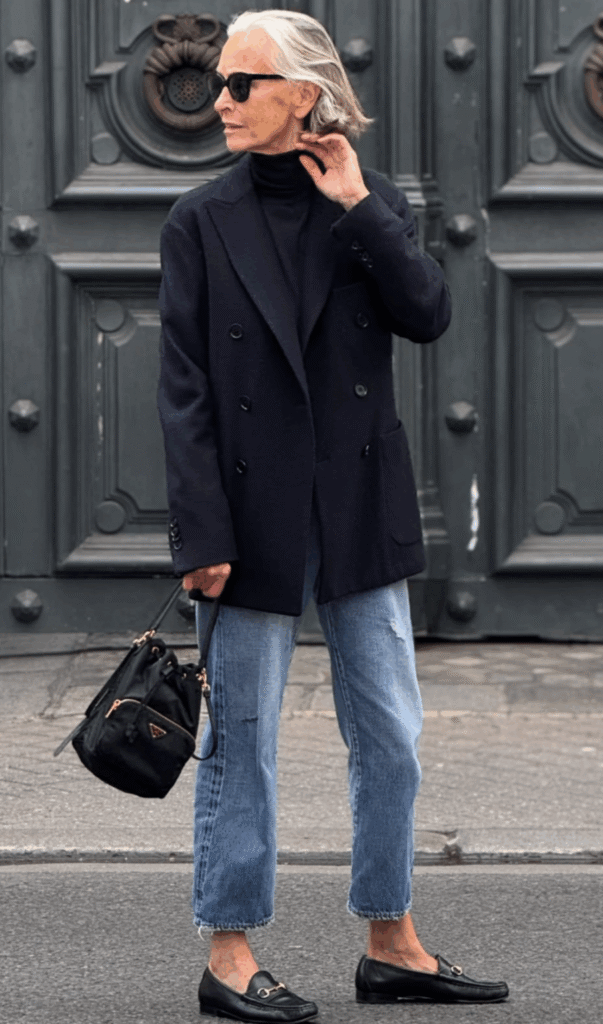
A subtle masculine influence adds strength and balance to the overall look. The article encourages adding structured pieces such as tailored shirts, blazers, or loafers to create contrast with softer elements. This mix of strong lines and delicate accessories produces a confident yet graceful effect. Wide-leg trousers or pleated pants in neutral shades also support this aesthetic. When you Dress Old Money After 50 Without Trying Too Hard, blending tailored structure with gentle feminine details creates harmony and keeps the outfit from feeling overly styled.
8. Wear One Imperfect Detail
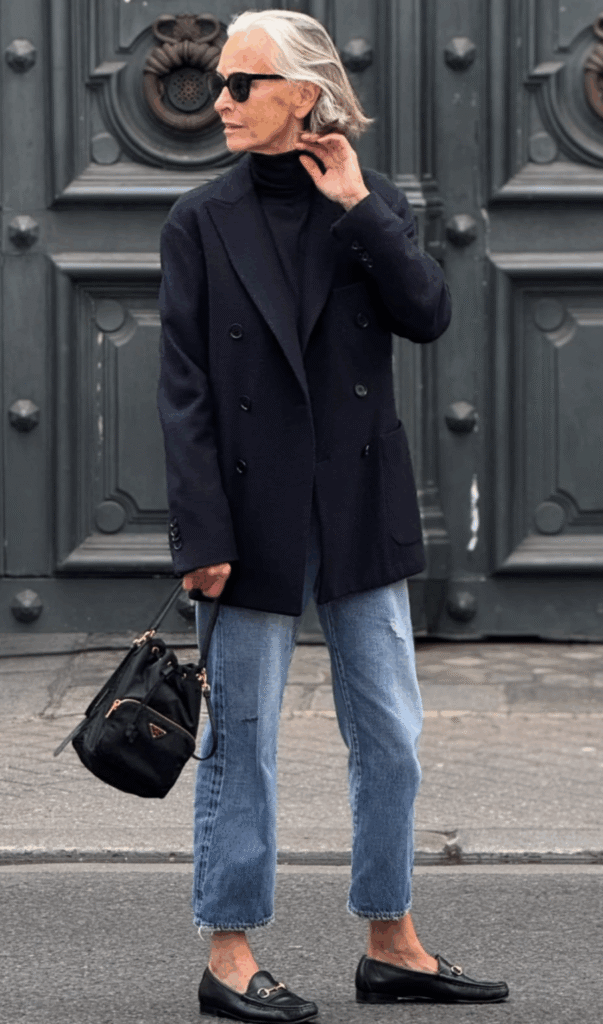
Perfection can sometimes feel stiff, so the article suggests leaving one small detail slightly undone. Rolling up sleeves, loosening a button, or partially tucking a shirt introduces natural ease. This tiny adjustment keeps the outfit from looking overly planned. To Dress Old Money After 50 Without Trying Too Hard, embracing a touch of imperfection makes your style appear relaxed and authentic. The message is that genuine elegance includes softness and comfort rather than rigid precision.
9. Choose Classic Accessories
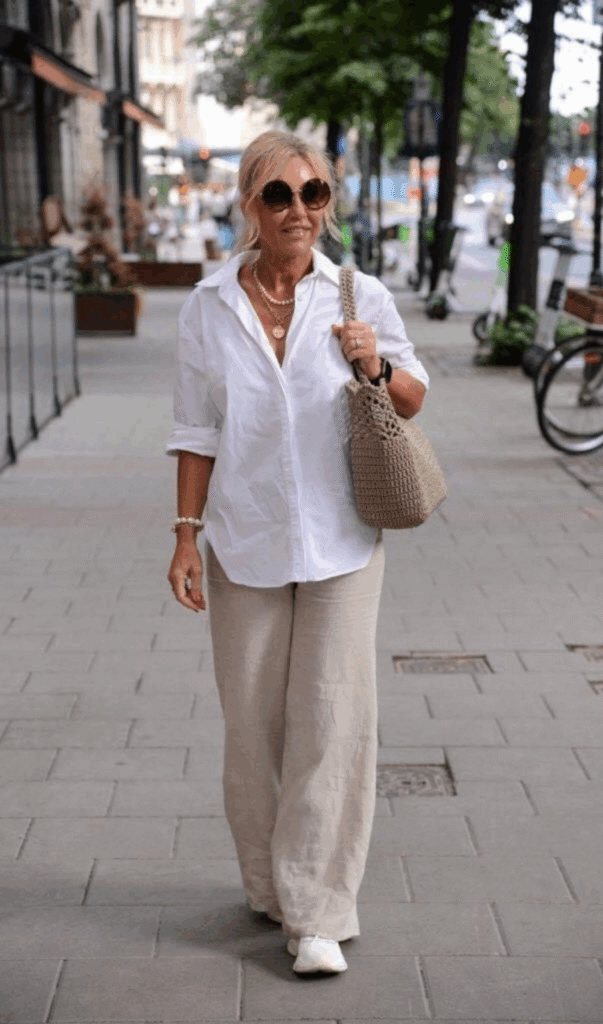
Accessories should complement rather than dominate your look. The article recommends timeless items such as pearl studs, simple gold hoops, structured watches, and polished sunglasses. Keeping jewelry minimal allows your features to stand out. It also advises choosing one focal point at a time instead of layering multiple statement pieces. When you Dress Old Money After 50 Without Trying Too Hard, refined accessories enhance your outfit without overwhelming it. Simplicity and balance remain central to this approach.
10. Shoes and Bags in Neutral Leather
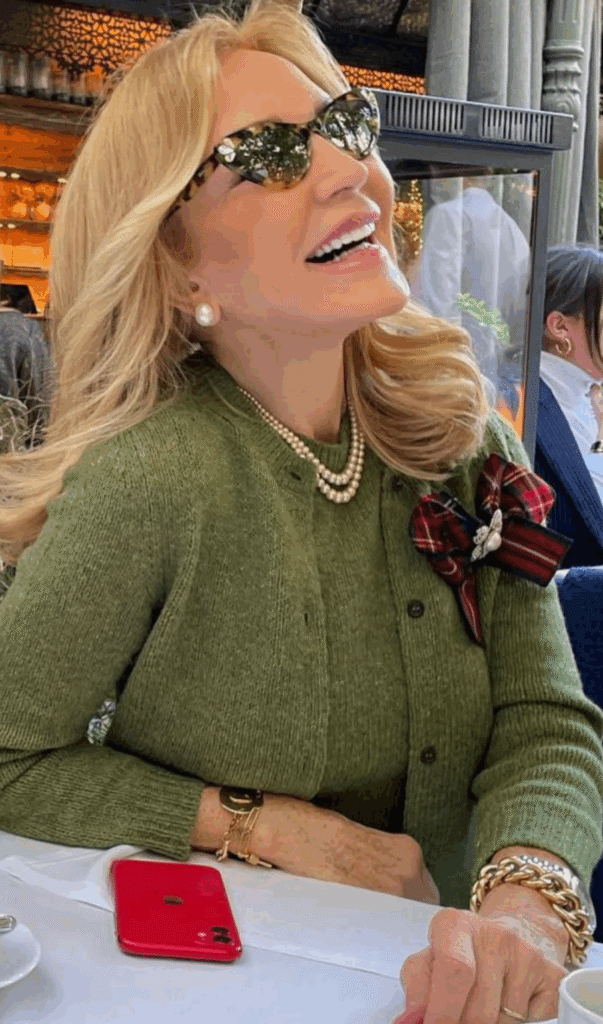
Footwear and handbags anchor every outfit. The article highlights structured designs in neutral leather shades like black, tan, ivory, or burgundy. Matching tones between shoes and bags can make styling easier and more cohesive. Proper care is also emphasized, from maintaining shape to keeping items clean. To Dress Old Money After 50 Without Trying Too Hard, investing in well-maintained leather accessories ensures your wardrobe always feels put together and enduring rather than trendy.
11. Soft, Controlled Grooming
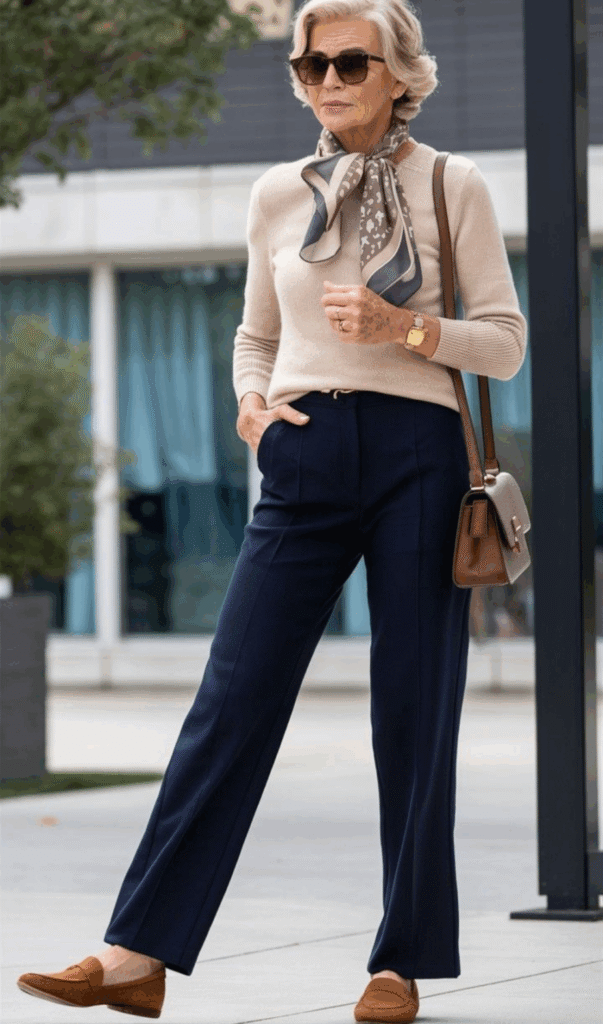
Personal grooming completes the overall impression. The article focuses on natural-looking hair, well-kept nails, and hydrated skin. Overly dramatic styling can appear forced, so the preference is for controlled softness. Matte finishes in makeup and accessories help maintain a subtle look. When you Dress Old Money After 50 Without Trying Too Hard, your grooming routine should feel polished but not exaggerated. Freshness and neatness speak louder than heavy styling.
12. The “Finish Factor” Rule
The final point centers on small finishing touches. Steamed clothing, pressed collars, and lint-free fabrics can dramatically elevate an outfit. Care and maintenance are presented as the true markers of elegance. To Dress Old Money After 50 Without Trying Too Hard, attention to these details makes even simple clothing appear expensive. The core message is that refinement comes from how you maintain and present your wardrobe, not from constantly buying new pieces.
FAQ’s
1. What does old money style mean for women over 50?
Old money style focuses on timeless, high-quality pieces, neutral colors, and elegant tailoring rather than trendy or flashy fashion. For women over 50, it means dressing in a refined and confident way that highlights natural beauty without trying too hard.
2. Can I Dress Old Money After 50 Without Trying Too Hard on a budget?
Yes. The key is choosing well-fitted basics in classic colors and investing in a few structured staples like a blazer, coat, and leather bag. Proper tailoring and fabric choice matter more than brand names.
3. What colors work best for old money outfits after 50?
Heritage neutrals such as camel, navy, taupe, ivory, and soft gray work beautifully. You can add muted accent shades like dusty rose or olive for subtle variety.
4. Are accessories important in old money style?
Yes, but they should be minimal and classic. Pearl studs, gold hoops, structured watches, and neutral leather bags enhance the look without overpowering it.
5. How can I make my outfits look more polished instantly?
Focus on fit, choose quality fabrics, steam your clothes, and keep shoes and bags in excellent condition. Small finishing touches can dramatically elevate your overall appearance.
Conclusion
To Dress Old Money After 50 Without Trying Too Hard, focus on refinement rather than trends. Choose timeless silhouettes, neutral palettes, quality fabrics, and well-tailored pieces that flatter your shape. Keep accessories classic and grooming soft and polished. With thoughtful styling and attention to detail, you can create an effortlessly elegant wardrobe that feels confident, sophisticated, and completely your own.