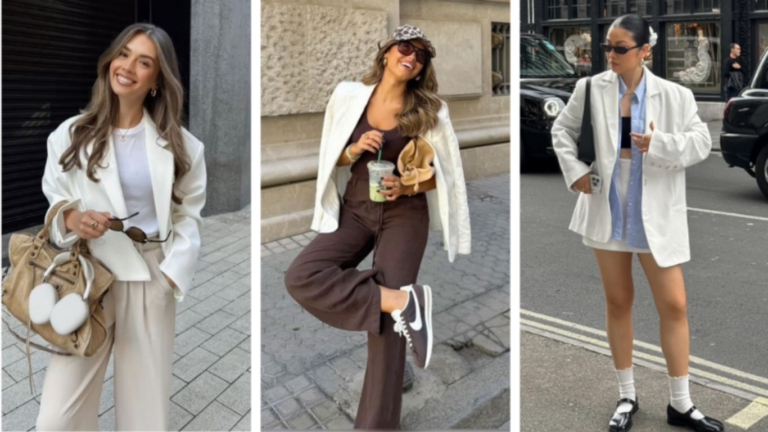
How to Dress in Your 40s and Finally Wear What Actually Works for You (13 Smart Style Tips)
Outfits
Dressing well in your 40s often feels like stepping into a completely new stage of personal style. By this point, many women are no longer interested in chasing every fast-changing trend. Instead, they have a clearer understanding of what flatters their body, what feels comfortable, and what truly reflects their personality. This stage of life usually brings a stronger sense of confidence, which makes getting dressed feel less stressful and much more intentional.
However, learning How to Dress in Your 40s and Finally build outfits that truly work doesn’t mean settling for dull or overly “age-appropriate” clothing. Great style at this stage isn’t about trying to look younger or forcing yourself into trends meant for a different age group. The real goal is simply dressing smarter and choosing pieces that highlight your confidence, lifestyle, and personal taste.
That’s why understanding a few lesser-known styling principles can completely transform the way outfits come together. Many of these ideas are the kind of tips stylists quietly use behind the scenes to elevate a look. Small adjustments in how pieces are combined can take an outfit from average to incredibly polished.
Below are practical styling insights that explain How to Dress in Your 40s and Finally create outfits that feel modern, confident, and effortlessly put together in any setting. These ideas can help you walk into any room feeling stylish, comfortable, and completely sure of your personal style.
Balance Proportions (This Is Where Most Outfits Go Wrong)
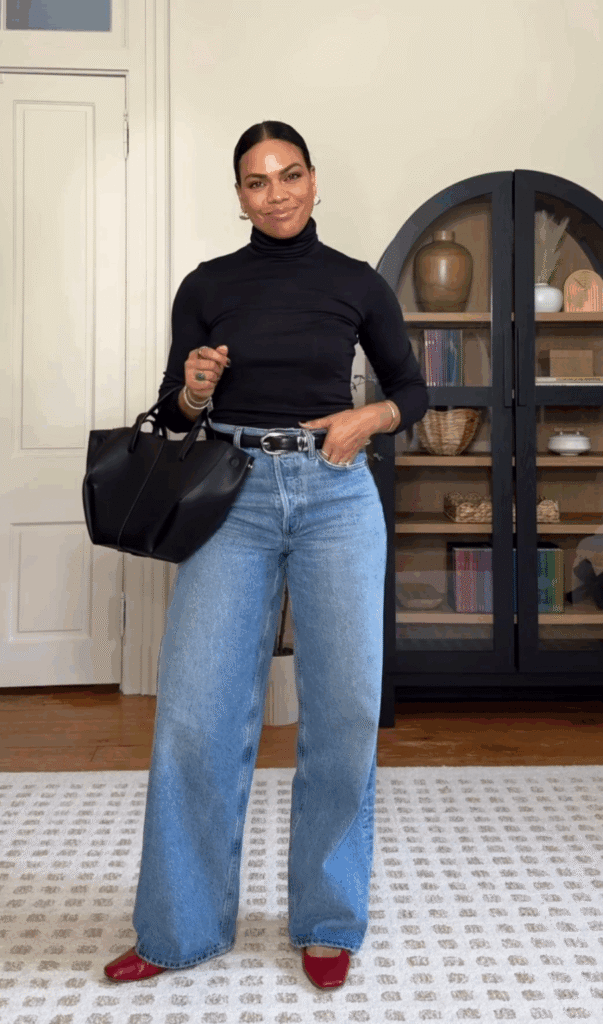
When learning How to Dress in Your 40s and Finally feel confident in your outfits, proportion becomes one of the most important styling tools. Great outfits rarely depend on just one standout piece. Instead, the magic happens when everything works together in a balanced way. When clothing proportions are off, even expensive pieces can look awkward or unfinished.
Wearing loose pieces from head to toe often removes shape and makes the outfit appear heavy or shapeless. On the other hand, wearing clothing that is tight everywhere can feel uncomfortable and visually overwhelming. The key is contrast. When one piece feels relaxed or oversized, the other piece should bring some structure and definition.
For example, wide-leg trousers look more polished when paired with a slimmer or more structured top. A cozy, oversized knit sweater works better when styled with streamlined pants or a skirt that adds balance. The same idea applies to outerwear as well. A long coat usually looks best layered over shorter or more fitted pieces underneath so the outfit maintains visual structure.
This balance helps create an outfit that feels effortless but intentional. When proportions work well together, the eye naturally flows through the look instead of getting stuck on one bulky area. A simple rule that works almost every time is this: if one half of your outfit is relaxed, allow the other half to create shape and structure.
Dress for visual authority, not youth
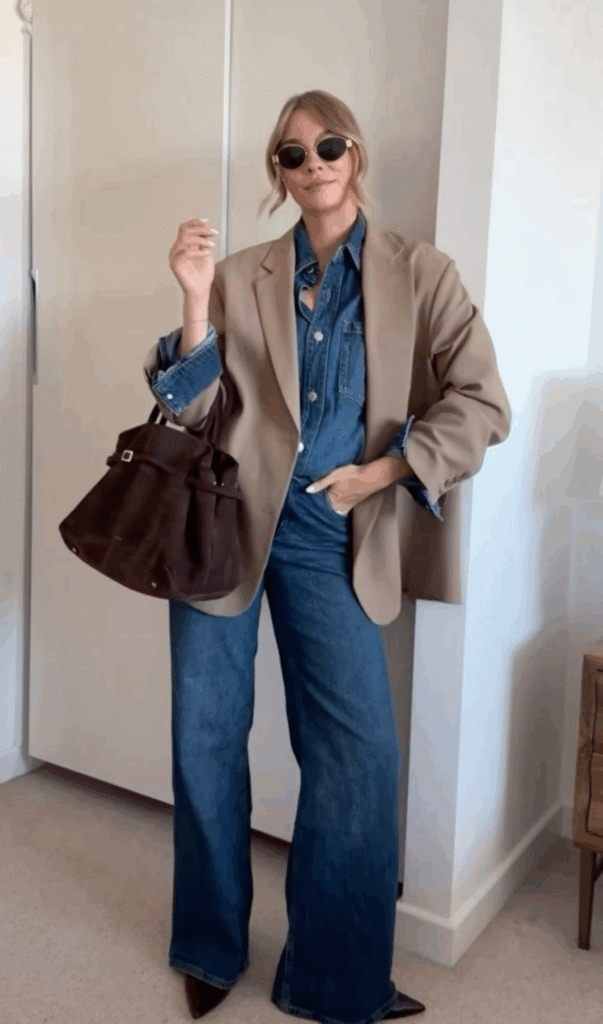
A common piece of advice women hear about How to Dress in Your 40s and Finally look stylish is to try to appear younger. But true style rarely comes from chasing youth. Instead, the most elegant outfits communicate confidence, calmness, and self-assurance.
Clothing that looks polished often gives the impression of control and intention. Pieces that hold their shape and maintain structure tend to look more refined than garments that feel floppy or overly casual. Even soft items can still have gentle structure, which instantly elevates the overall look.
For instance, a knit blazer usually looks more refined than a slouchy cardigan because it creates a cleaner silhouette. Clothing that keeps its form even after many wears often appears more luxurious than pieces that quickly lose their shape. Garments that rely heavily on stretch can sometimes lose their structure faster, which can make them appear less polished over time.
Tailored trousers with movement often look more elevated than stretchy leggings that cling to the body. A helpful styling sign is posture. If putting on a piece of clothing naturally makes you stand taller and feel more confident, it’s usually a great addition to your wardrobe.
Master intentional restraint (the opposite of boring)
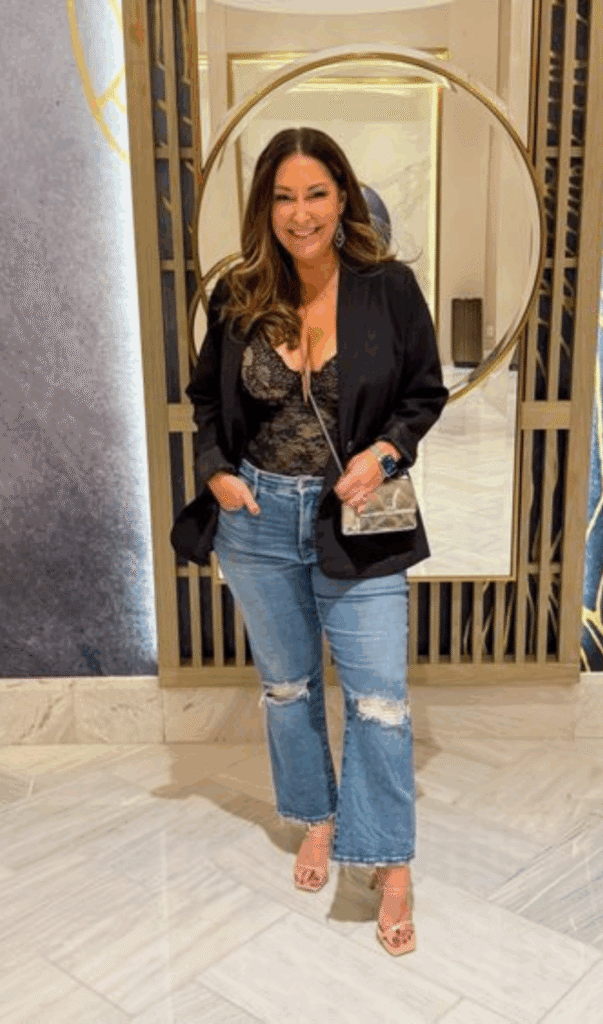
When thinking about How to Dress in Your 40s and Finally refine your personal style, restraint becomes surprisingly powerful. Looking polished does not mean wearing the simplest outfit possible. Instead, it means choosing carefully and editing the look until everything feels balanced.
Many stylish outfits start with several interesting elements. Then the unnecessary pieces are removed until the outfit feels clean and focused. This process helps create a polished look that feels thoughtful without looking overdone.
One technique stylists use is adding a single unexpected element that creates contrast. This small twist keeps the outfit interesting without making it chaotic. For example, pairing a feminine dress with a more masculine shoe can instantly add character. A silky skirt styled with a basic cotton T-shirt can feel effortlessly chic. Similarly, a structured coat layered over casual denim creates a stylish contrast.
The idea is to allow one standout moment while letting the rest of the outfit support it. When the eye can easily identify the focal point, the overall look appears confident and naturally stylish.
Mix Textures to Add Depth (Without Adding Noise)
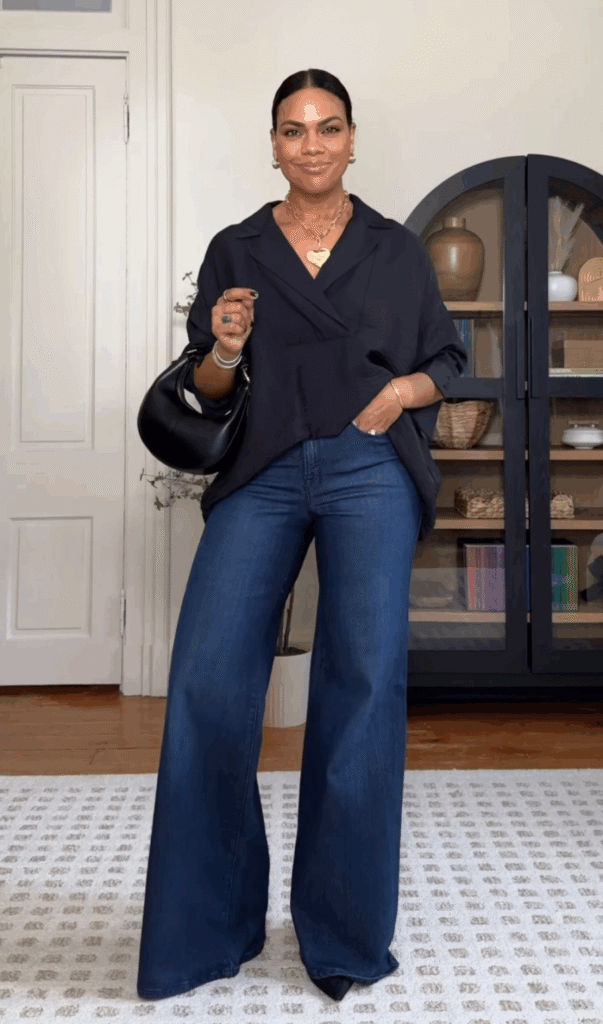
Texture plays a huge role when learning How to Dress in Your 40s and Finally elevate everyday outfits. Even the simplest outfits can feel sophisticated when different textures work together. Without texture variation, neutral clothing can sometimes look flat or lifeless.
Mixing materials adds richness and dimension without needing bold prints or bright colors. This is especially helpful when creating elegant outfits built around neutral tones.
For example, combining a soft knit sweater with crisp cotton creates contrast that feels visually interesting. Wool trousers paired with a silk blouse add a luxurious feel because the fabrics behave differently. Suede shoes worn with structured denim create another subtle but stylish contrast.
Another effective combination is pairing matte fabrics with slightly luminous ones. The difference in light reflection naturally adds depth to the outfit. When a look feels technically correct but still a little dull, adjusting the textures often fixes the problem before adding more color or accessories.
Fabric behavior matters more than fabric type

Many fashion guides suggest that wearing natural fabrics automatically makes an outfit look expensive. But when exploring How to Dress in Your 40s and Finally build a sophisticated wardrobe, the behavior of the fabric matters more than the label.
What really influences how polished a garment appears is how it interacts with movement and light. Some fabrics reflect light with a soft sheen, while others appear matte. Both can work beautifully depending on the outfit’s overall balance.
Another important factor is how fabric moves when worn. Materials that drape smoothly or flow naturally often look elegant because they respond well to body movement. On the other hand, fabrics that wrinkle easily or collapse quickly may make even a high-quality piece look less refined.
Durability also plays a role. Some fabrics maintain color, shape, and smoothness after many wears, while others pill or fade quickly. Even if a fabric is synthetic, it can still look luxurious if it drapes beautifully and holds its structure over time.
The neckline–jawline connection (Almost No One Talks About This)
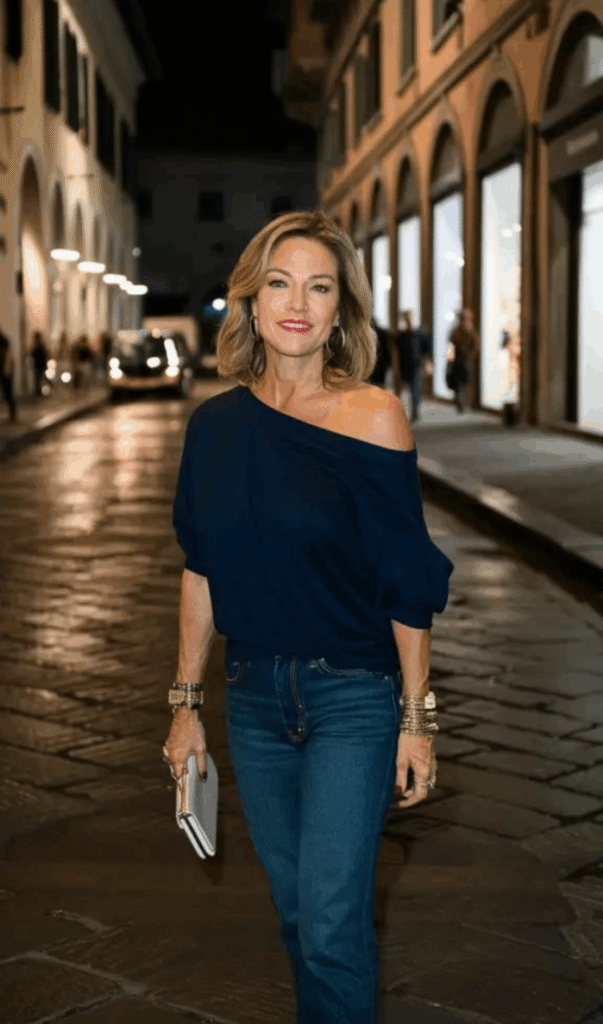
A subtle but powerful element of How to Dress in Your 40s and Finally enhance your appearance is the relationship between necklines and facial structure. Necklines naturally frame the face, but they also interact visually with the jawline.
Stylists often consider this connection when recommending flattering clothing. Softer jawlines usually benefit from sharper neckline shapes such as V-necks, square necks, or asymmetrical designs. These angles help create visual structure around the face.
On the other hand, people with strong or defined jawlines often look great in softer necklines like scoop shapes or gentle drapes. These styles soften the overall appearance and maintain balance.
Boat necks and crew necks can look elegant but usually require very precise tailoring. If the fit is slightly off, they may make an outfit appear less polished. One clever trick stylists sometimes suggest is sizing up slightly in crew neck tops and tailoring the shoulders. This small adjustment can improve the overall shape dramatically.
Stop chasing color seasons. Instead, use value contrast
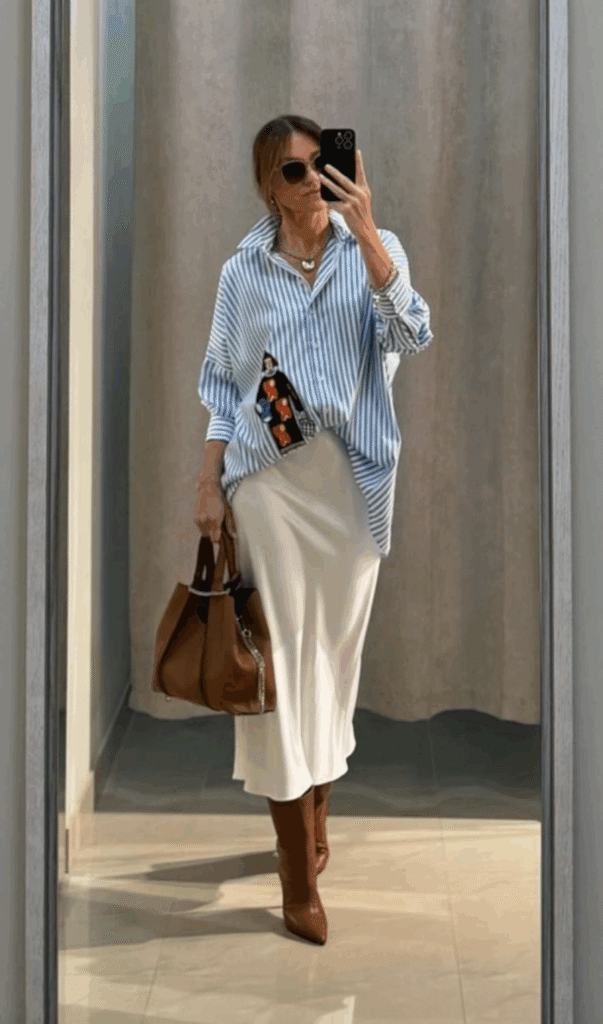
Color analysis trends often focus on identifying seasonal palettes, but when discussing How to Dress in Your 40s and Finally create polished outfits, contrast plays an even bigger role. What truly affects how refined an outfit looks is the level of light and dark contrast around the face.
Value contrast refers to the difference between lighter and darker shades within an outfit. When contrast appears random or unbalanced, the outfit can look accidental. But when it is intentional, the overall look becomes more harmonious.
High contrast combinations like black and white often appear bold and commanding. They naturally attract attention and feel dramatic. Low contrast combinations such as cream and taupe tend to feel calm, elegant, and refined.
Understanding how much contrast works best for your personal style can help you build outfits that feel cohesive without relying heavily on complicated color systems.
Build outfits around neutrals first
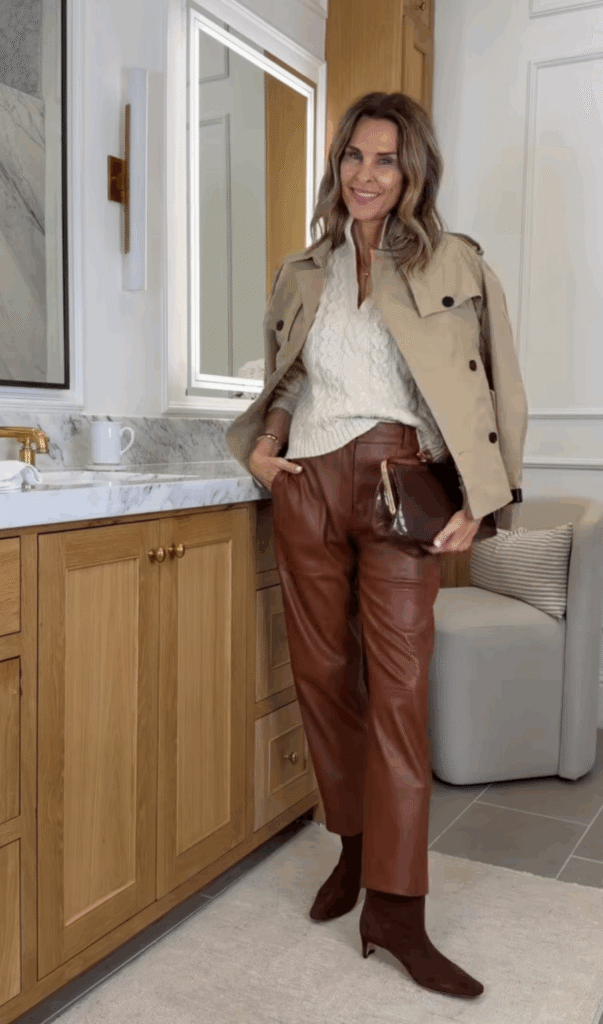
A practical tip for mastering How to Dress in Your 40s and Finally create versatile outfits is starting with neutrals. This approach does not mean avoiding color entirely. Instead, it means building a stable base that anchors the entire outfit.
Neutrals provide structure and allow other colors to shine without overwhelming the look. When a neutral base is present, even brighter shades can appear balanced and polished.
For example, combinations like navy with ivory or camel with black often look timeless and elegant. Grey paired with soft white creates a calm and sophisticated palette. Chocolate brown with cream offers a rich and understated contrast that many people overlook.
Other refined combinations include burgundy with beige or brown, grey with butter yellow, and navy paired with red. These color pairings show how a strong neutral foundation can support both subtle and bold color choices while maintaining harmony.
Shoes Set the Entire Tone (More Than Bags Ever Will)
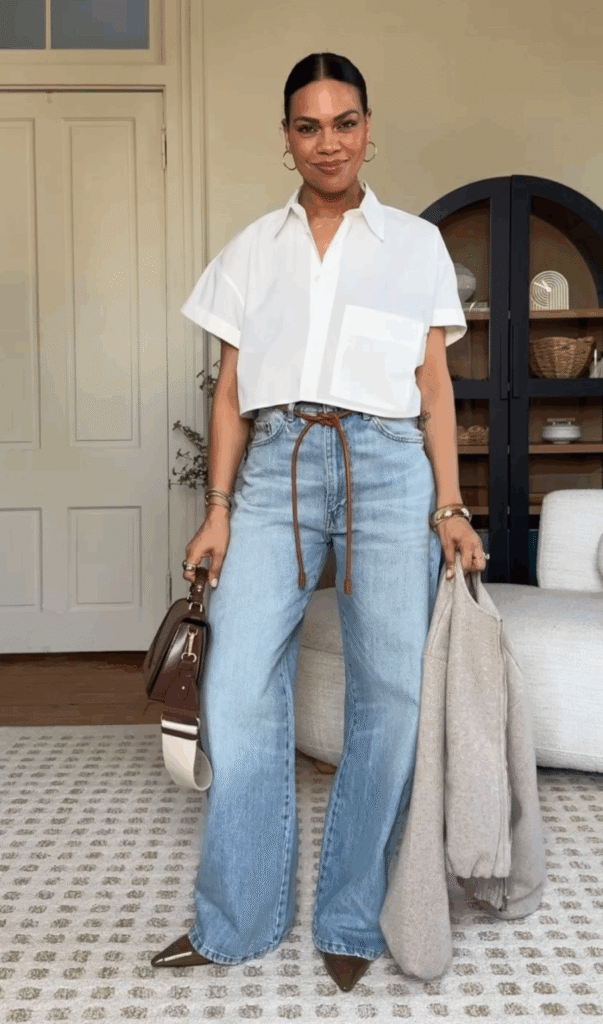
When thinking about How to Dress in Your 40s and Finally elevate an outfit, footwear often has a bigger impact than many people realize. While handbags receive a lot of attention, shoes frequently determine the tone of the entire look.
Shoes visually anchor an outfit because they connect the clothing to the ground and influence how polished the overall appearance feels. A carefully chosen pair of shoes can instantly communicate intention and style.
Stylists often pay attention to small details that create a refined appearance. Thin soles can make even flat shoes appear more elegant. Pointed toes or almond-shaped toes often add sophistication to both heels and flats.
Softly squared toes can also feel modern and polished. Another detail worth noticing is how leather behaves over time. High-quality leather usually creases gently instead of forming harsh folds. Avoid shoes that appear overly orthopedic unless the design is intentionally sleek and architectural.
Comfort also matters. Cushioned insoles can make stylish shoes easier to wear throughout the day without sacrificing elegance.
Avoid Obvious Logos
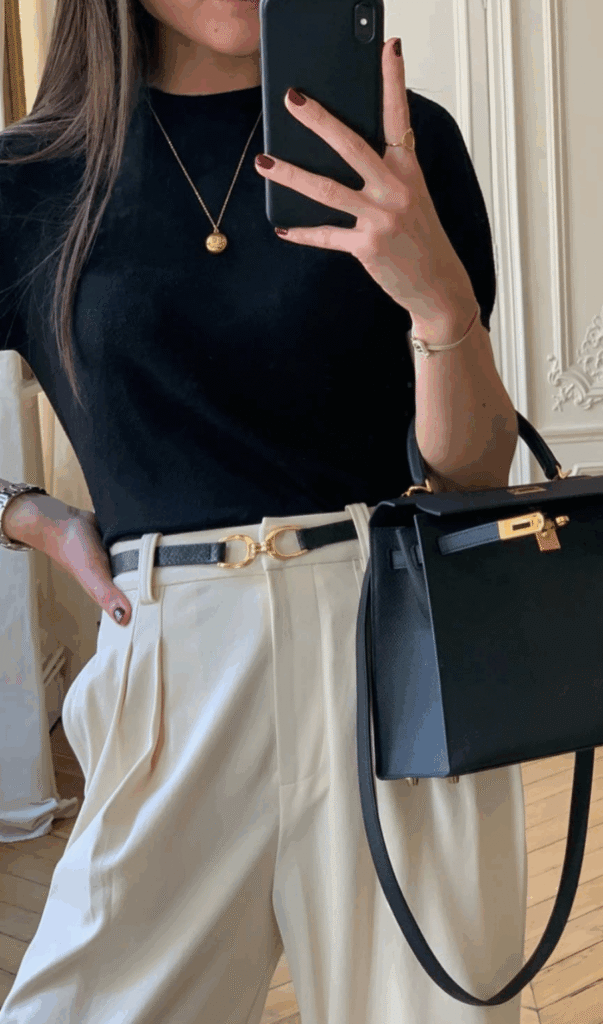
Another principle of How to Dress in Your 40s and Finally cultivate timeless style is limiting visible logos. Large logos often shift attention away from the person wearing the clothing and toward the brand itself.
When logos dominate an outfit, they can feel loud or distracting. Many refined wardrobes rely on subtle design rather than obvious branding.
If logos are present, keeping them small and minimal helps maintain balance. Thoughtful placement or understated branding can still allow the piece to feel stylish without overpowering the overall outfit.
Repetition builds signature (and class)
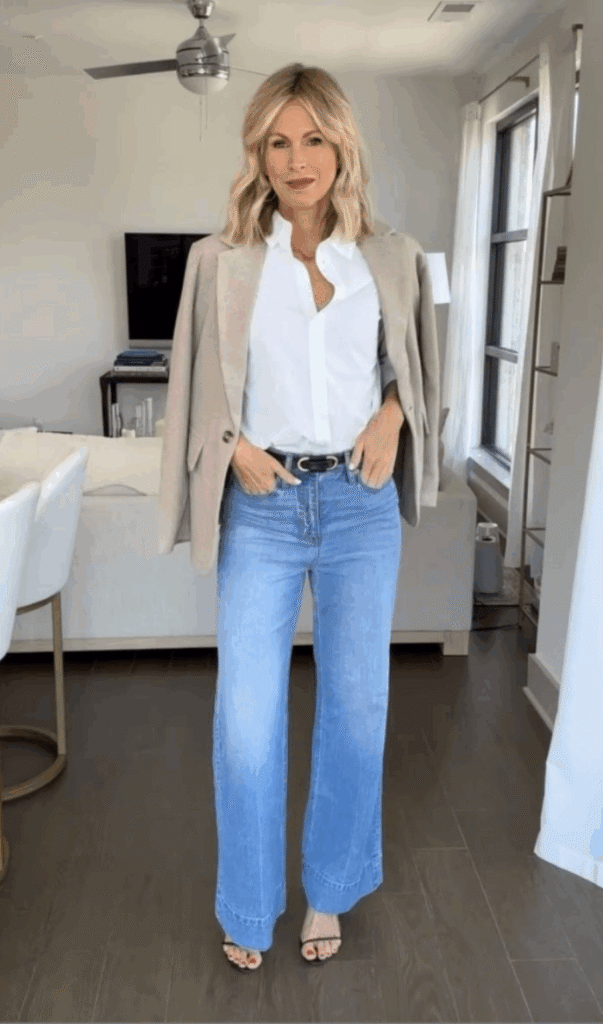
An important aspect of How to Dress in Your 40s and Finally develop a recognizable personal style is repetition. Many stylish women repeat outfits and silhouettes regularly, and this habit actually strengthens their style identity.
Repeating certain shapes or combinations creates consistency, which can make a wardrobe appear more cohesive and polished. When people recognize a signature style, it often feels sophisticated and intentional.
Instead of constantly chasing new trends, it can help to identify a few key silhouettes that work best. This might include a favorite coat shape, a particular style of trousers, or a shoe design that feels comfortable and flattering.
Once those shapes are established, variety can come from different fabrics, colors, or textures rather than completely changing the structure of every outfit.
When in Doubt, Simplify
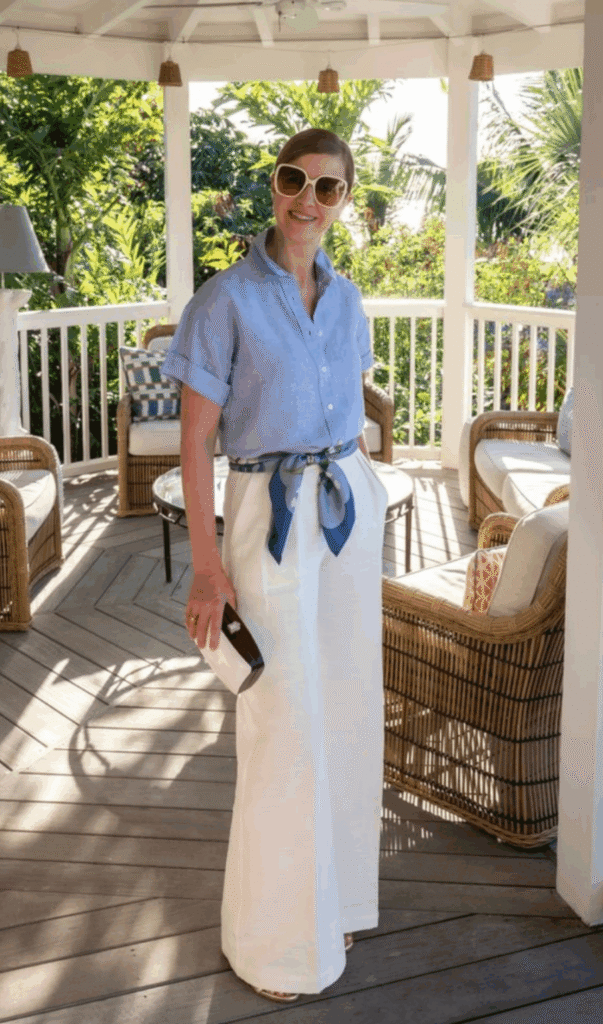
One of the most reliable rules for How to Dress in Your 40s and Finally maintain elegant style is knowing when to simplify. Many outfits become stronger when unnecessary elements are removed.
If a look feels slightly overwhelming, removing one accessory can restore balance. Softening a color choice or switching to a cleaner shoe design can also improve the overall effect.
Elegance often comes from restraint rather than excess. By focusing on only the most important elements of the outfit, the final look appears calm, polished, and thoughtfully styled.
The Ultimate Secret: Comfort Without Apology
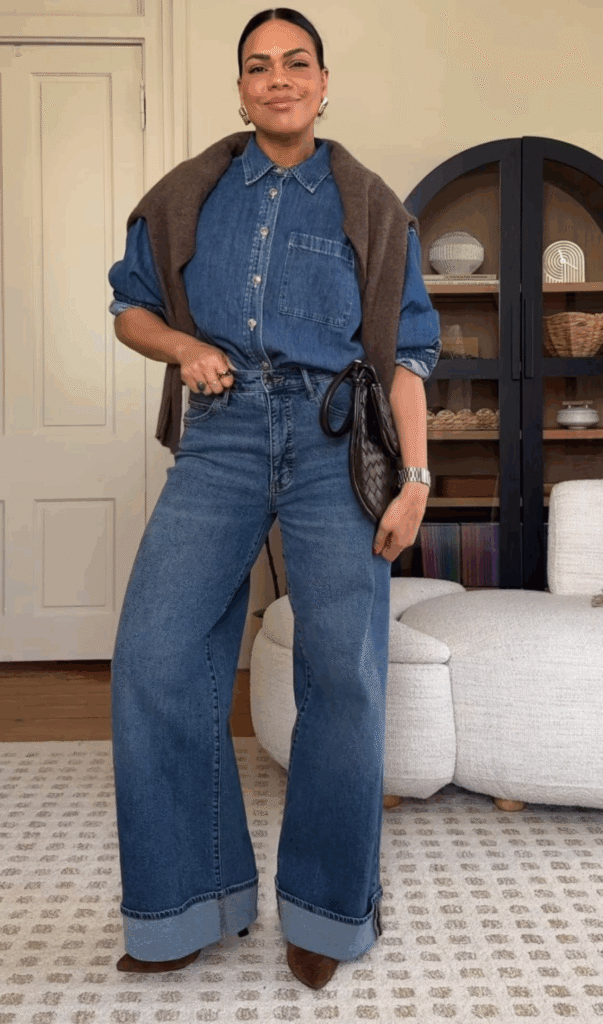
The final and perhaps most powerful lesson in How to Dress in Your 40s and Finally feel confident is embracing true comfort. This does not refer to casual athleisure comfort but rather a deeper sense of ease in what you are wearing.
When clothing constantly requires adjusting, pulling, or hiding certain areas, it becomes difficult to feel relaxed. That tension often shows through body language. On the other hand, when clothes feel natural and secure, confidence becomes visible.
The most elegant individuals often appear completely at ease in their clothing. They move naturally and rarely seem distracted by their outfits. That sense of comfort allows their presence and personality to shine.
Ultimately, personal style in your 40s is less about strict rules and more about wearing clothing that supports confidence, ease, and authenticity.