How to Dress Old Money After 50 Without Trying Too Hard
Outfits
Dressing well after 50 can feel challenging. Even when you know what suits you, changes in body shape, wardrobe, or reflection in the mirror can make it tricky. Dressing “old money” after 50 adds another layer—balancing effortlessness with refinement. The secret lies not in chasing trends or hiding your figure, but in selecting timeless pieces that flatter your shape and convey quiet confidence. Following a few key style rules can elevate your wardrobe without overthinking.
1. Tailoring Over Trends
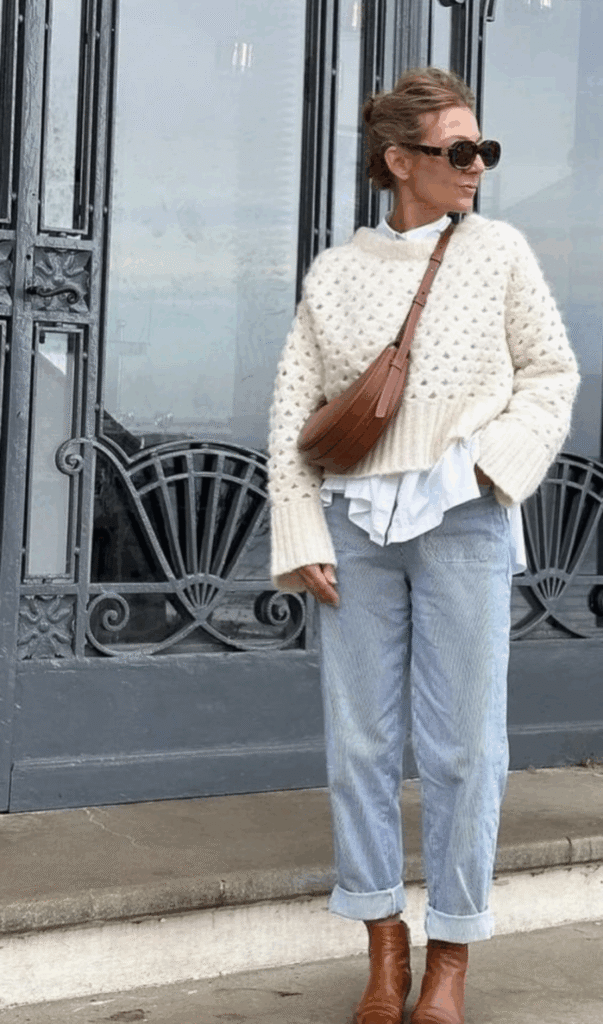
Fit is everything when learning how to dress old money after 50. Clothes that gently skim your body instead of clinging or hanging make a person look more polished and youthful. Well-fitted jackets, trousers, or skirts can make even affordable pieces appear custom-made. Simple alterations like hemming pants, taking in a jacket at the waist, or tucking in tops purposefully improve fit dramatically. A helpful tip is to buy one piece that fits your best body part perfectly, then tailor the rest to match that standard.
2. Fabrics That Move With Grace
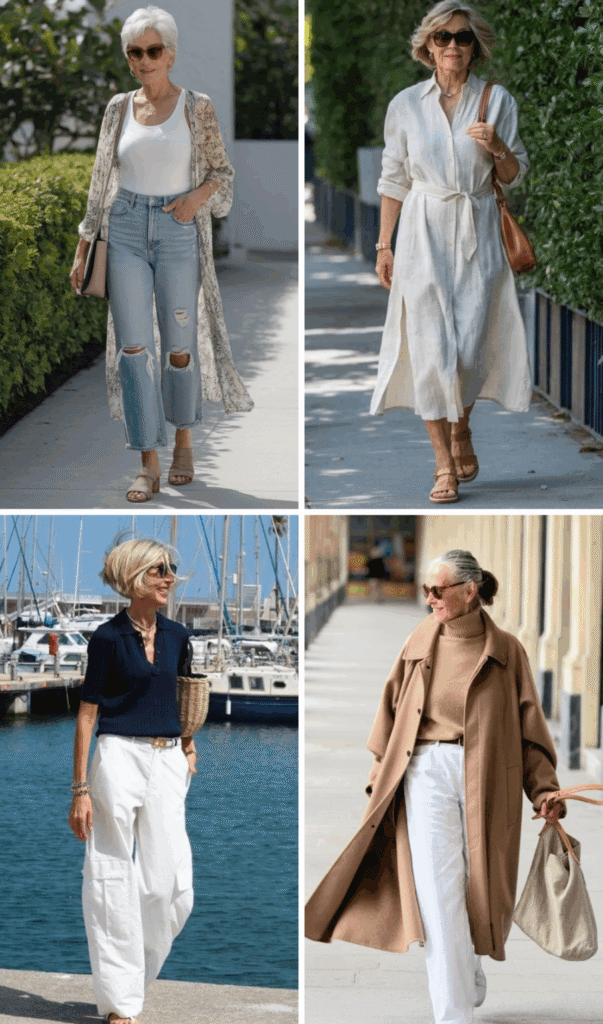
Fabrics matter when mastering how to dress old money after 50. Natural fibers like silk, wool, linen, and cotton not only feel luxurious but drape elegantly and age well. Garments with soft, flowing hemlines, mid-length skirts, or slightly cropped pants create a modern yet refined look. High-quality fabrics convey sophistication without noise or flash, allowing your presence, rather than your clothing, to make an impression. Touching fabrics to gauge quality and weight is always a reliable guide.
3. Stick to Heritage Neutrals
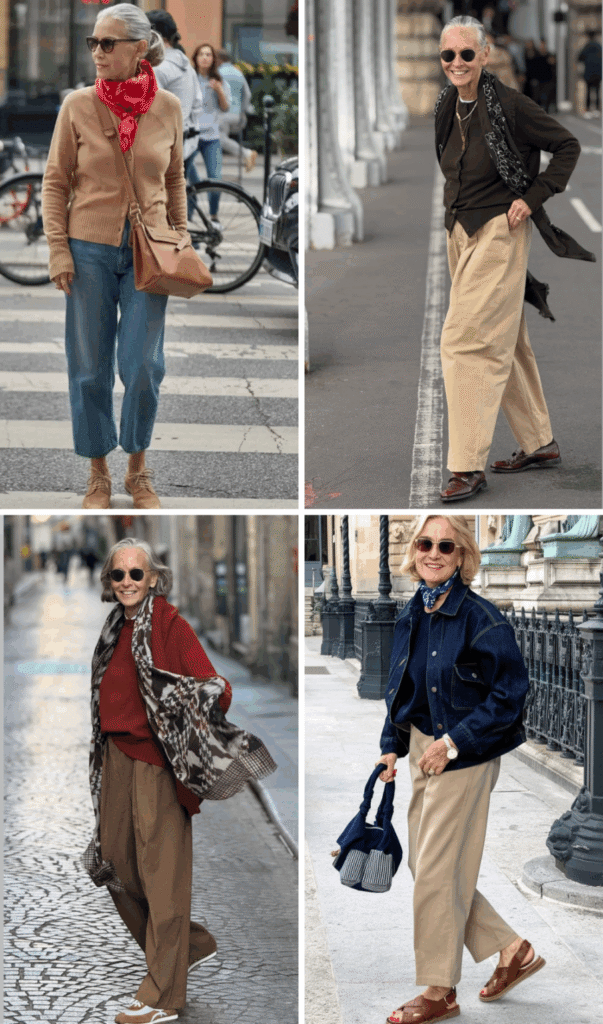
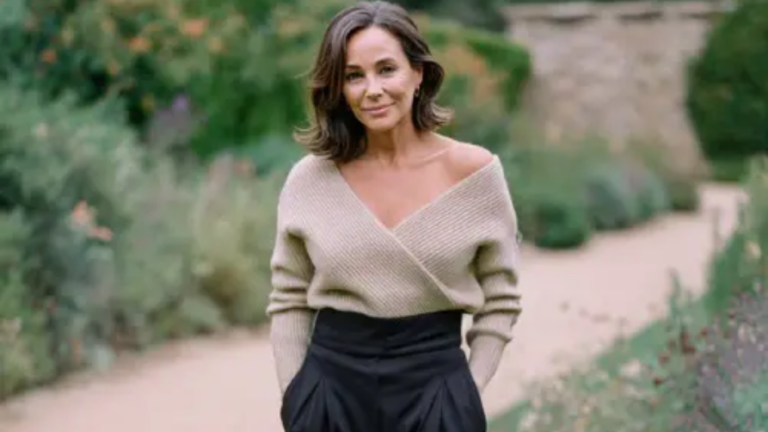
Color choices define old money style. Limit your palette to three or four core neutrals such as camel, navy, taupe, and ivory, and one or two soft accents like olive, powder blue, or dusty rose. Coordinated neutrals make mixing and matching effortless while maintaining harmony. Taking photos in natural light can help ensure your outfits remain flattering and cohesive. These subtle color choices elevate a wardrobe to feel consistently polished.
4. Monotone and Low-Contrast Dressing
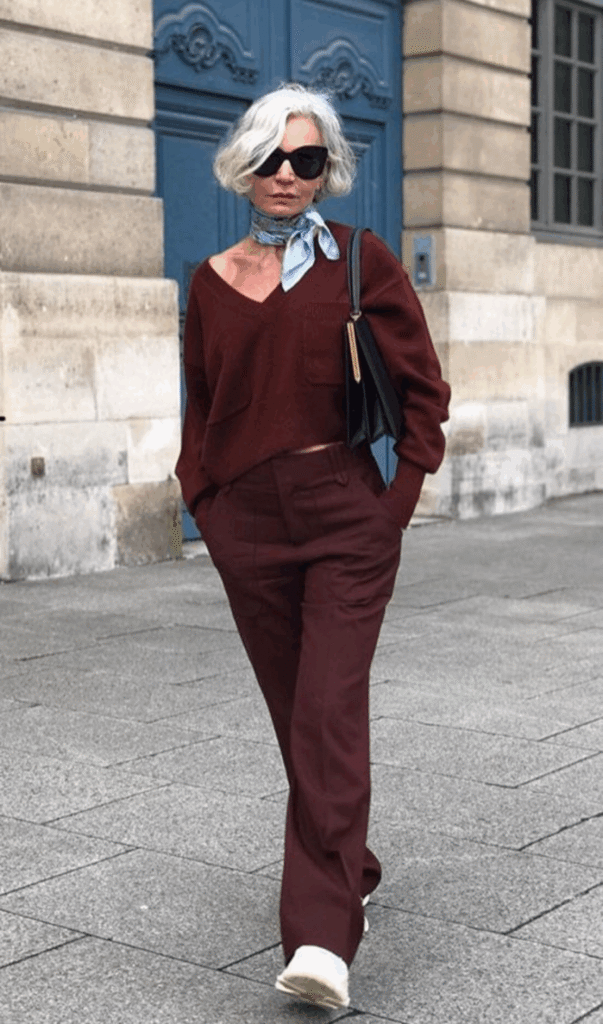
Old money style favors calm, understated looks. Dressing in tonal outfits or low-contrast layers—like beige on cream or navy on charcoal—adds sophistication. Subtle variations in texture, such as pairing linen with silk or wool with satin, create depth without being loud. Accessories in slightly lighter or darker shades enhance richness. Adding one statement element, like a scarf, earrings, or handbag, keeps the outfit modern yet understated. This approach prioritizes quiet luxury over obvious trendiness.
5. Skip the Logos and Flashy Buttons

Luxury in old money dressing is discreet. Avoid overt logos, shiny buttons, or heavy hardware. Instead, choose subtle details like matte finishes, mother-of-pearl, horn buttons, or fabric-covered accents. Hidden touches, such as silk trims, linings, or interior monograms, add a refined feel without being obvious. Assess your outfit’s “noise level” and tone down anything that draws attention unnecessarily. This keeps the overall aesthetic effortlessly elegant.
6. Invest in the Signature Three
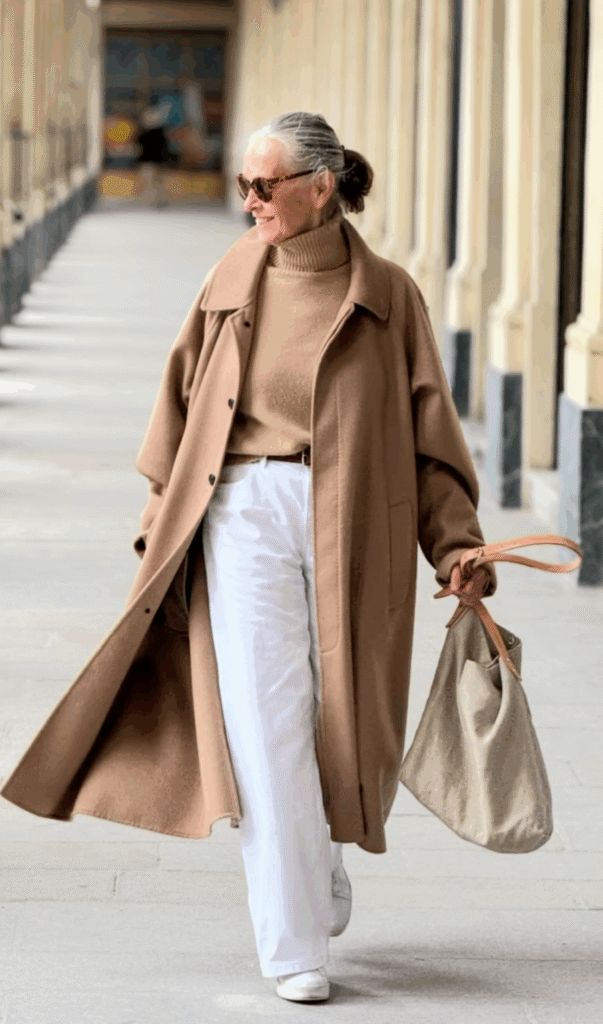
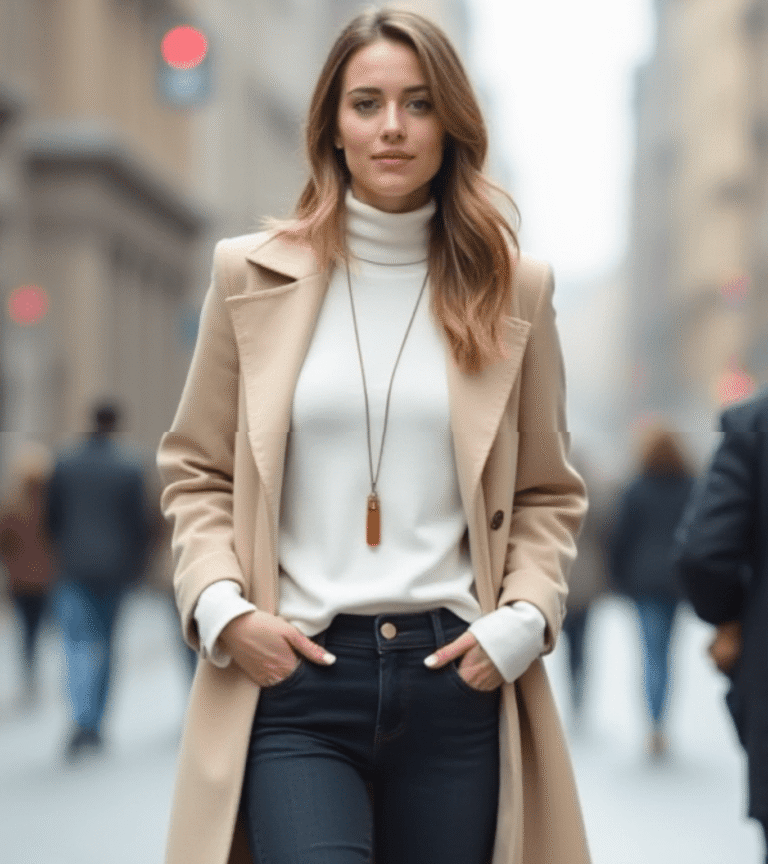
A refined wardrobe doesn’t need endless pieces. Focus on three essentials: a well-tailored blazer, a trench or wool coat, and a structured leather bag. These staples elevate any outfit instantly, whether paired with jeans, sweaters, or tees. Attention to structure—clean seams, firm shoulders, and durable materials—ensures your look always feels put together. Investing in these foundational pieces provides a versatile, polished base for your wardrobe.
7. Incorporate One Masculine Touch
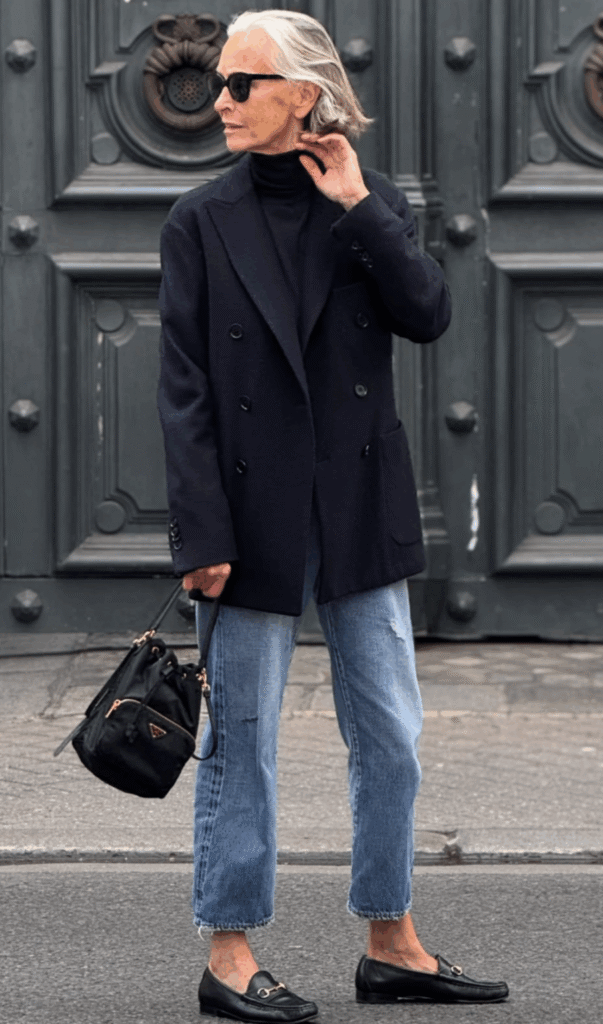
Adding subtle masculine elements enhances timeless sophistication in how to dress old money after 50. Tailored men’s-style shirts, structured blazers, or loafers convey strength while balancing femininity. Pairing wide-leg or pleated trousers with heels and finishing with delicate jewelry or soft curls keeps the look both powerful and graceful. One masculine element harmonizes with feminine touches to create a strong yet approachable style.
8. Wear One Imperfect Detail
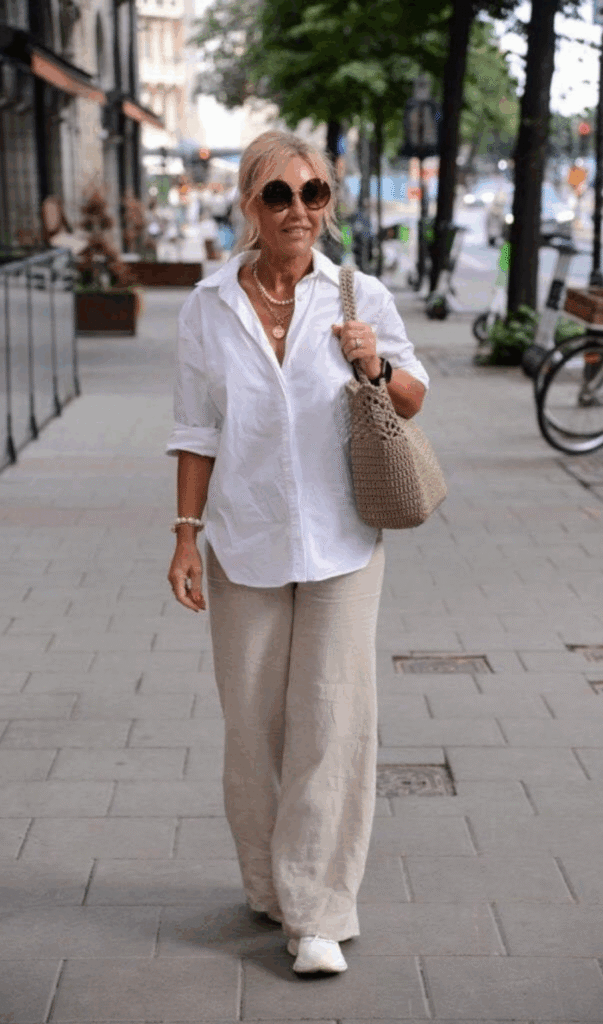
Perfection can feel forced. Including one slightly undone detail, such as a rolled sleeve, untucked shirt, or half-opened button, adds effortless charm. These small imperfections give your outfit a natural elegance and prevent it from appearing overly styled. Real sophistication often comes from subtle softness, showing ease and confidence in your personal style.
9. Choose Classic Accessories
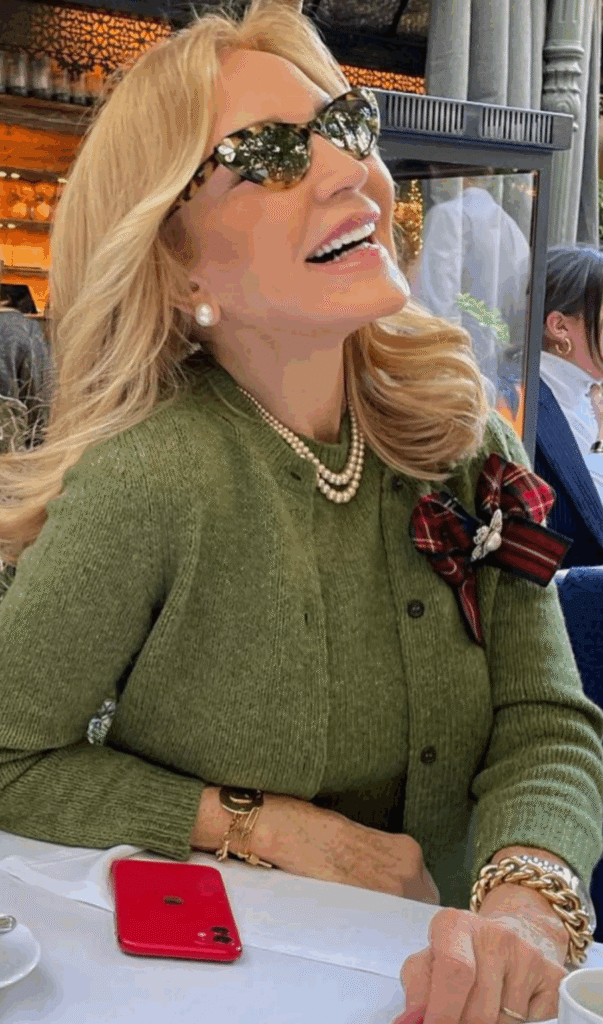
Accessories should enhance rather than dominate your look. Stick to timeless items like oversized sunglasses, pearl studs, gold hoops, and sleek watches. If unsure, remove one piece to avoid over-accessorizing. Polished eyewear in tortoiseshell, matte black, or gold frames complements mature features beautifully. Focus on one facial highlight—glasses, statement earrings, or a bold lip—at a time to maintain balance and elegance.
10. Shoes and Bags in Neutral Leather
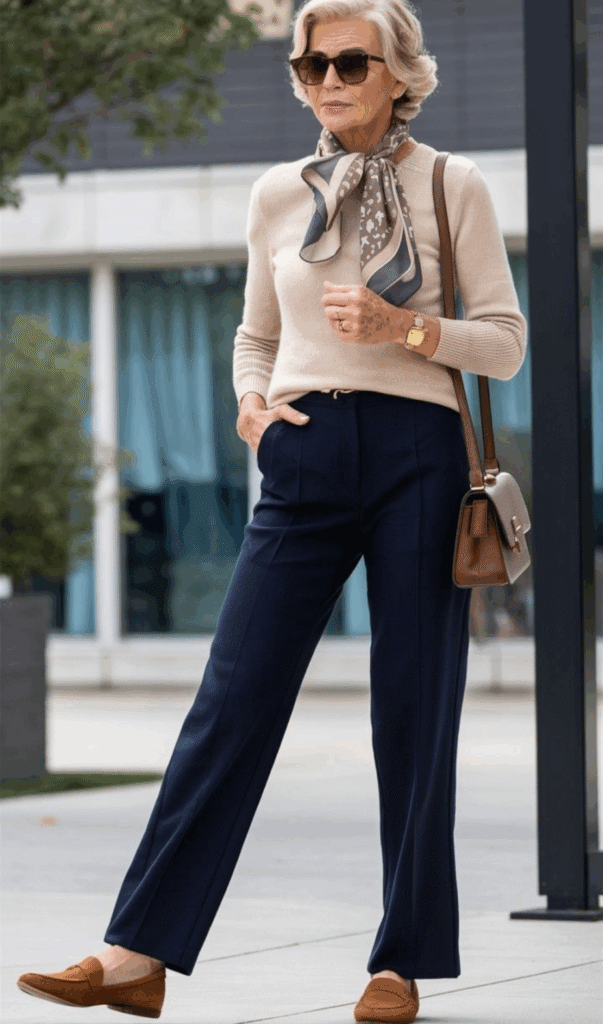
Structured, neutral-colored shoes and bags ground an outfit. Black, tan, ivory, or burgundy leather pieces without logos exude understated elegance. Matching colors or textures between accessories simplifies styling and maintains cohesion. Caring for these items—stuffing bags to hold shape and cleaning shoes after wear—ensures they remain beautiful and refined over time, reflecting old money sophistication through longevity rather than novelty.
11. Soft, Controlled Grooming

Sophistication extends to grooming. Hair should have natural movement, nails should be manicured, and skin hydrated. Overly slick or overly styled looks appear forced. Opt for matte finishes in leather, lipstick, and nail polish for mature elegance. Carry essentials like dry shampoo, hand cream, and a soft brush to maintain freshness. Consistent, understated grooming communicates refinement more powerfully than flashy accessories.
12. The “Finish Factor” Rule
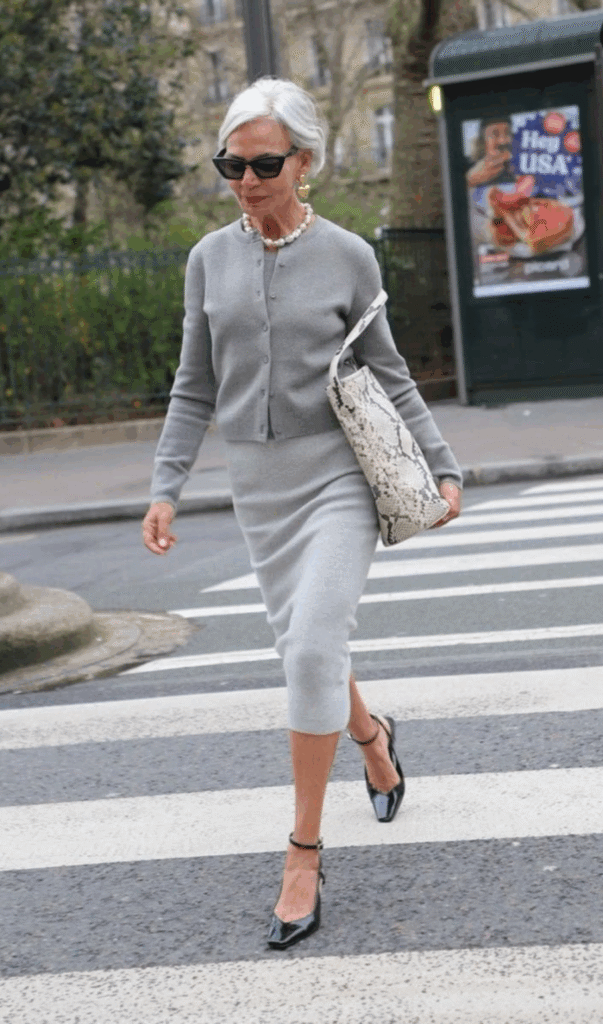
The final touch defines old money dressing. Steamed clothing, pressed collars, and lint-free fabrics show attention to detail and elevate your appearance. The key to looking expensive is care and precision rather than flashy items. Every small finishing step, from proper garment maintenance to subtle grooming, reinforces a polished, sophisticated presence that exemplifies how to dress old money after 50.
Conclusion
Mastering how to dress old money after 50 is all about effortless elegance and thoughtful choices. By focusing on perfect tailoring, luxurious fabrics, harmonious neutrals, and classic accessories, you create a wardrobe that feels timeless and refined. Incorporating subtle masculine touches, one imperfect detail, and maintaining soft, controlled grooming ensures your style remains natural, confident, and sophisticated. Remember, old money dressing isn’t about trends or flashy logos—it’s about quality, structure, and attention to detail that communicates quiet luxury at every glance. With these strategies, looking polished and poised after 50 becomes effortless, allowing your personal style to shine through with grace.