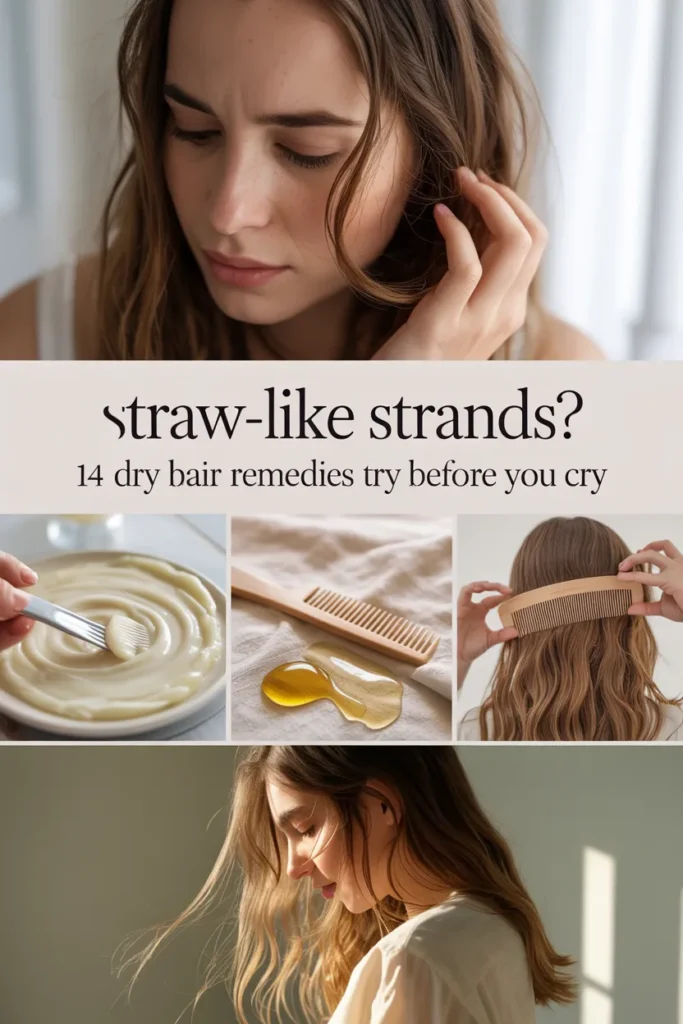
Straw-Like Strands? Try These 14 Dry Hair Remedies Before You Cry
Outfits
Straw-Like Strands? Try These 14 Dry Hair Remedies Before You Cry
I’ve dealt with dry, rough hair for years, and I know how frustrating it feels when your hair looks dull no matter what you try. In this guide, I’m sharing real Dry Hair Remedies Before You Cry that actually made a difference for me. From simple home treatments to daily habits, everything here focuses on restoring moisture, reducing breakage, and bringing back shine.
Above the fold, here’s what you’ll get: I’ll walk you through 14 proven remedies, explain why dryness happens, and share practical fixes backed by real results and basic hair science. You’ll also learn how small habits—like how often you wash or even your pillowcase—can impact hydration more than expensive products.
Key Takeaways
I’ve learned that dry hair is rarely fixed by one product alone—it’s about consistent care. Hydration from inside the body matters just as much as oils and masks. Reducing heat, using gentle products, and protecting hair from friction can improve texture within weeks. Most importantly, simple DIY treatments can work just as well as salon options when done regularly.
But first, Why is your hair so dry?
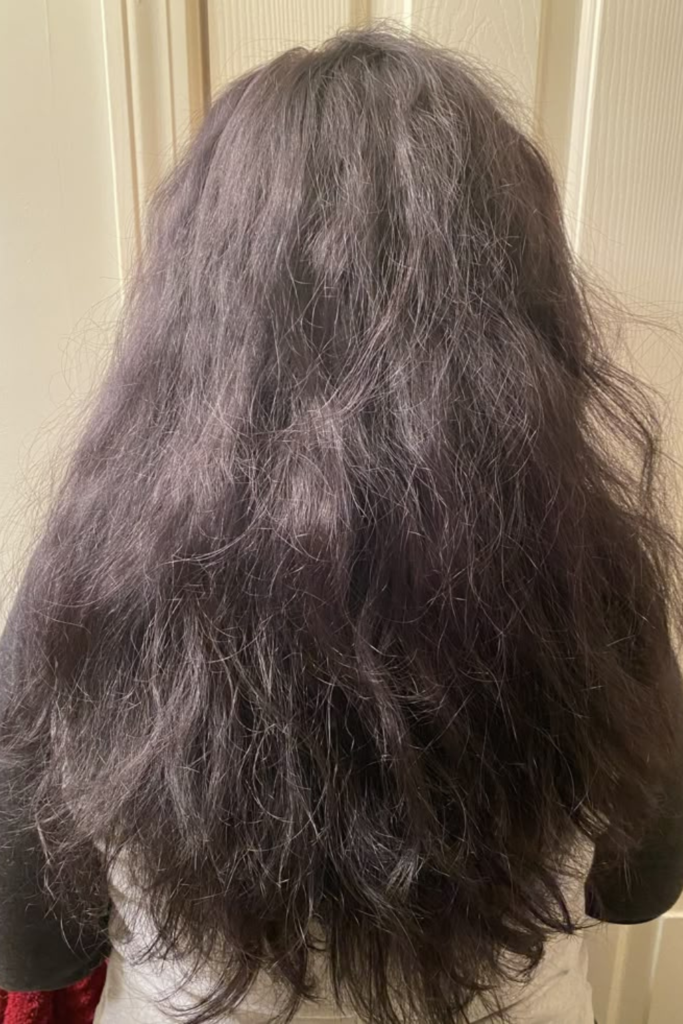
From my experience, dryness usually builds up from multiple small habits rather than one big mistake. Washing too often strips away natural oils, and heat styling weakens the hair cuticle over time. On top of that, harsh shampoos and chemical treatments make things worse.
There’s also a real factor people ignore—environment. Studies show low humidity can reduce hair moisture levels significantly, especially in winter. That’s why dryness often feels worse during certain seasons.
Pro tip: I always reset my routine when my hair feels damaged—fewer products, less heat, and more moisture-focused care for at least a week.
Now onto the best dry hair remedies i’ve ever known!
1. Deep Conditioning with Steam
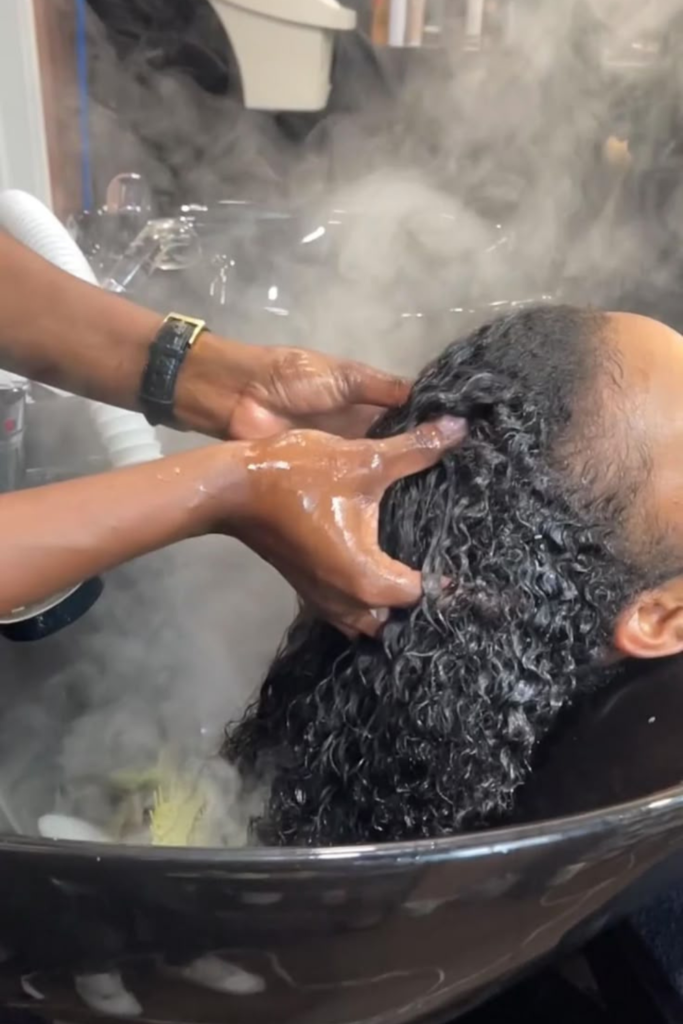
This is one of the fastest ways I’ve seen real improvement. When I add heat or steam, my conditioner actually works better instead of just sitting on my hair.
Steam helps open the hair cuticle, which allows moisture to go deeper. I usually leave it on for about 20 minutes, and my hair feels noticeably softer right after.
Pro tip: Consistency matters more than product price here. Doing this once a week can improve elasticity and reduce breakage over time.
2. DIY Leave-In: Rose Water + Glycerin Spray

I like this because it’s simple and lightweight. It doesn’t make my hair greasy but still adds hydration during the day.
Glycerin pulls moisture from the air into your hair, which is why it works best in slightly humid conditions. Rose water adds softness and helps with frizz control.
Pro tip: I spray this lightly on damp hair instead of soaking it—too much glycerin can feel sticky.
3. Ghee Hair Treatment
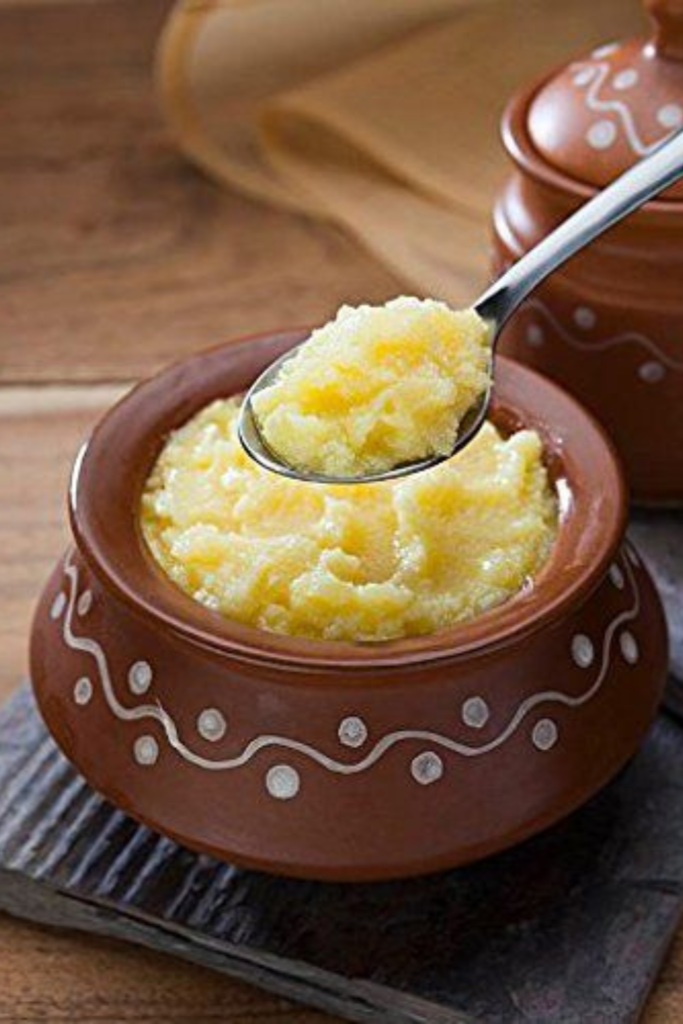
This one surprised me, but it works. Ghee is packed with fats and vitamins that coat dry strands and improve smoothness.
When I use it, my hair feels softer and looks shinier after washing. It’s especially helpful for very dry ends.
Pro tip: I focus only on mid-lengths and ends to avoid making my scalp greasy.
4. Rice Water Rinse + Aloe Vera
This combo is powerful because it balances strength and moisture. Rice water contains amino acids that help repair damage, while aloe vera hydrates deeply.
I noticed less breakage after using this consistently for a few weeks. It also makes my hair feel smoother without weighing it down.
Pro tip: Use it once or twice a week—too much protein from rice water can make hair stiff.
5. mix of argan oil + rosemary oil + castor oil + sweet almond oil
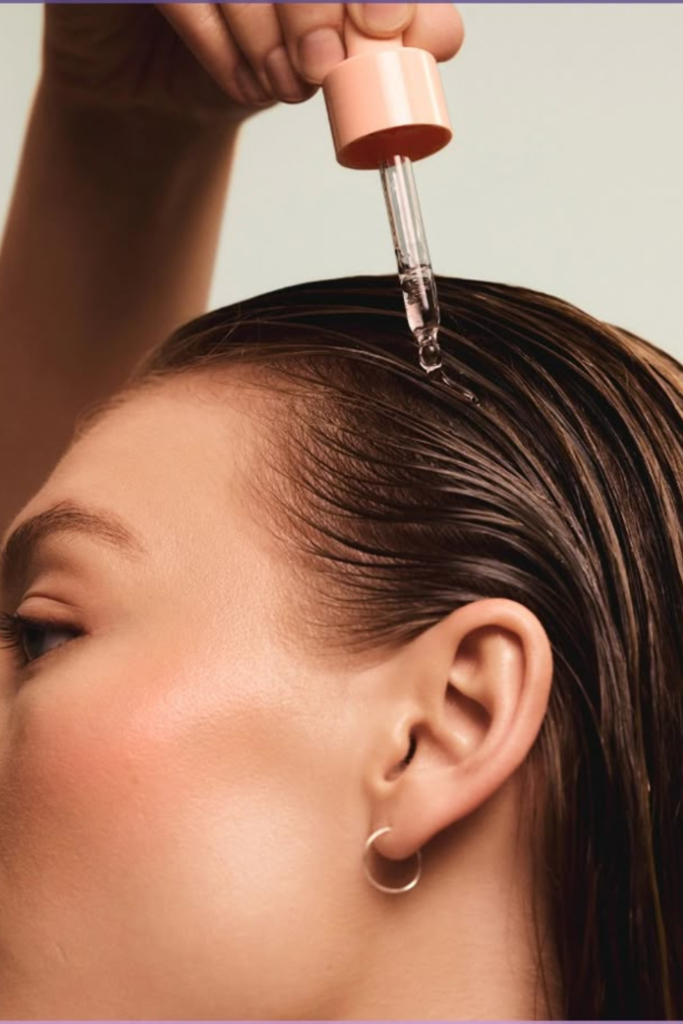
This oil blend works like a full treatment in one step. Each oil targets a different issue—hydration, growth, thickness, and shine.
When I massage this into my scalp and hair, it improves softness almost immediately. Over time, it also helps reduce dryness and frizz.
Pro tip: Slightly warming the oil improves absorption and gives better results.
6. Fenugreek (Methi) Seed Hair Potion

Fenugreek is one of those ingredients that actually delivers. It’s rich in protein and lecithin, which helps repair damaged strands.
After using it as a mask, my hair feels stronger and less brittle. It also improves moisture retention when used regularly.
Pro tip: I’ve seen better results when I use it weekly instead of occasionally.
7. Beer Rinse

It sounds unusual, but it works because beer contains proteins that help strengthen hair strands.
When I tried it, my hair looked shinier and felt smoother after just one use. The effect is temporary but noticeable.
Pro tip: Always use flat beer to avoid dryness from carbonation.
8. Drink Up + Omega Power
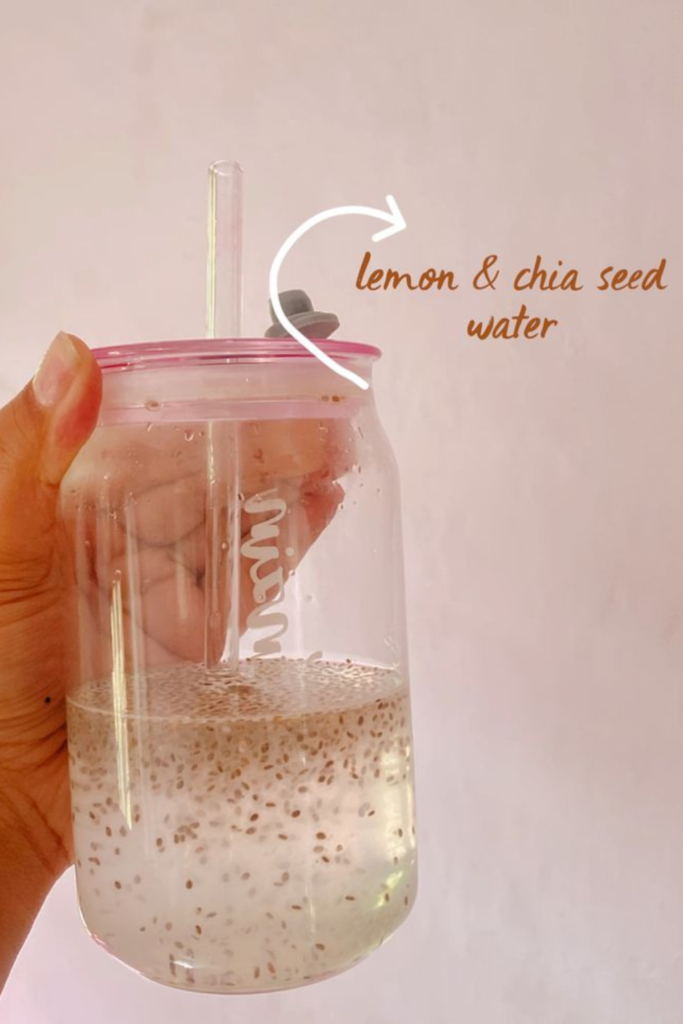
This is something I underestimated before. Hair hydration starts from inside the body, not just products.
Studies show omega-3 fatty acids support scalp health and reduce dryness. I noticed better texture when I improved my diet and water intake.
Pro tip: Aim for at least 2–3 liters of water daily for visible changes in hair and skin.
9. Satin Pillowcases & Scrunchies
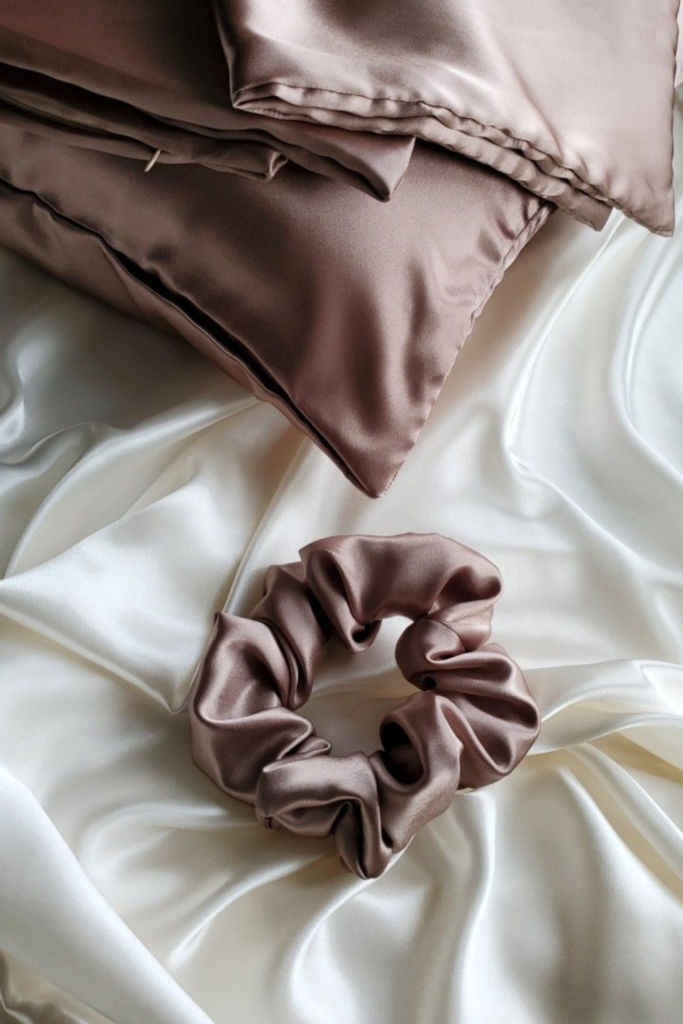
Switching to satin made a bigger difference than I expected. Cotton creates friction, which leads to dryness and breakage.
Satin reduces moisture loss overnight and keeps hair smoother by morning.
Pro tip: I also switched to satin scrunchies to avoid hair snapping.
10. cold water rinse finish

I didn’t like this at first, but it works. Cold water helps seal the hair cuticle, which locks in moisture.
After finishing with cold water, my hair feels smoother and looks shinier.
Pro tip: Even 10–15 seconds of cold rinse is enough to see results.
11. aim to wash your hair twice a week
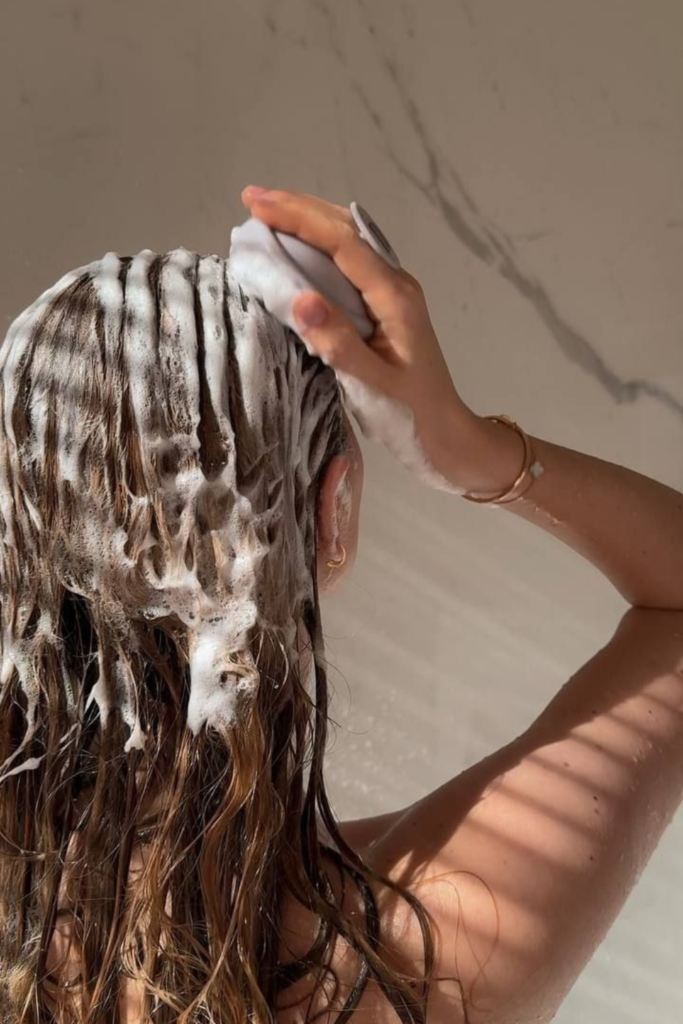
Overwashing was one of my biggest mistakes. Washing too often removes natural oils that protect and hydrate hair.
When I reduced washing to 2–3 times a week, my hair became less dry and easier to manage.
Pro tip: Always choose sulfate-free shampoos—they are much gentler on dry hair.
12. Trim Every 6–8 Weeks

This is something I used to avoid, but it actually helps. Split ends travel upward and make hair look drier than it is.
Regular trims keep the ends healthy and improve overall texture.
Pro tip: Even a small trim can prevent bigger damage later.
13. Avoid Tight Hairstyles & Friction
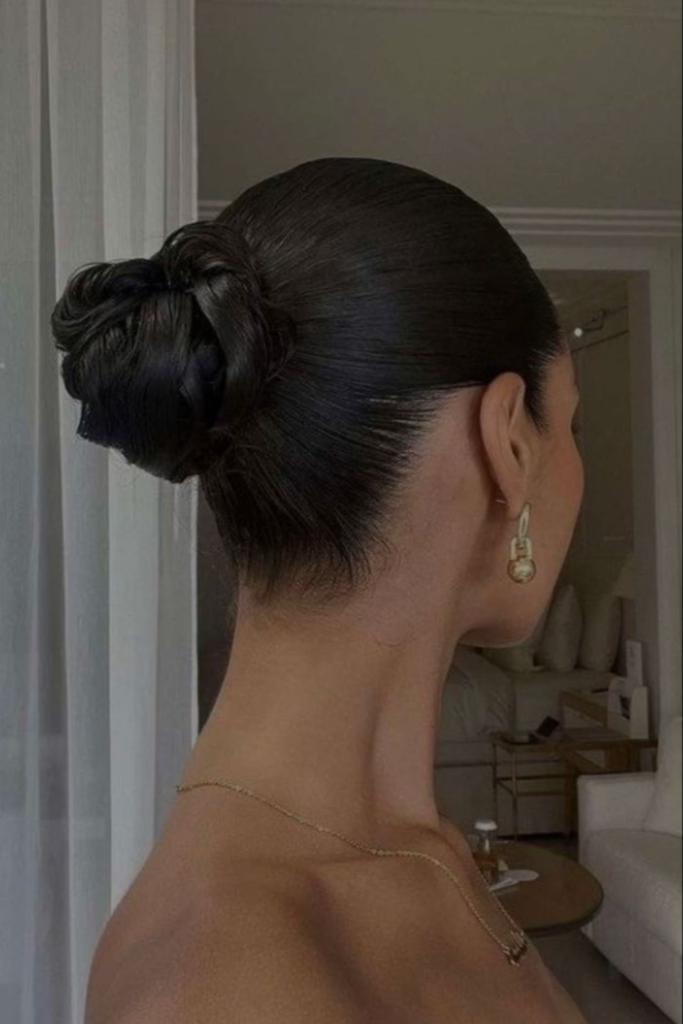
Tight styles can weaken your hair over time. I noticed more breakage when I kept my hair pulled back too often.
Switching to looser styles helped reduce tension and dryness.
Pro tip: Letting your hair stay loose at home really helps it recover.
14. No Towel Tugging

This is a small habit that makes a big difference. Rubbing hair with a towel causes friction and damage.
I switched to a microfiber towel, and my hair feels less rough after drying.
Pro tip: Gently pat your hair instead of rubbing to keep moisture intact.
FAQ Guide on Dry Hair
What can you do for extremely dry hair?
From what I’ve seen, deep conditioning and oil treatments work best. Ingredients like argan oil and shea butter help restore moisture quickly.
How do I get my hair to stop being dry?
I focus on reducing heat styling and using gentle products. Within a few weeks, dryness becomes much more manageable.
How can I stop my hair from being dry?
Hydration plays a big role. Drinking enough water and using leave-in conditioners helps maintain moisture daily.
What is the fastest way to hydrate dry hair?
For quick results, I use a deep conditioner with heat. It improves softness immediately and makes hair easier to manage.