How to Get Rid of Itchy Scalp Before You Literally Lose Your Mind (and your edges)
Outfits
How to Get Rid of Itchy Scalp Before You Literally Lose Your Mind (and your edges)
I’ve dealt with an itchy scalp more times than I’d like to admit, and I know how frustrating it gets when the urge to scratch just won’t stop. If you’re searching for How to Get Rid of Itchy Scalp, you’re in the right place because I’m breaking down real solutions that actually work.
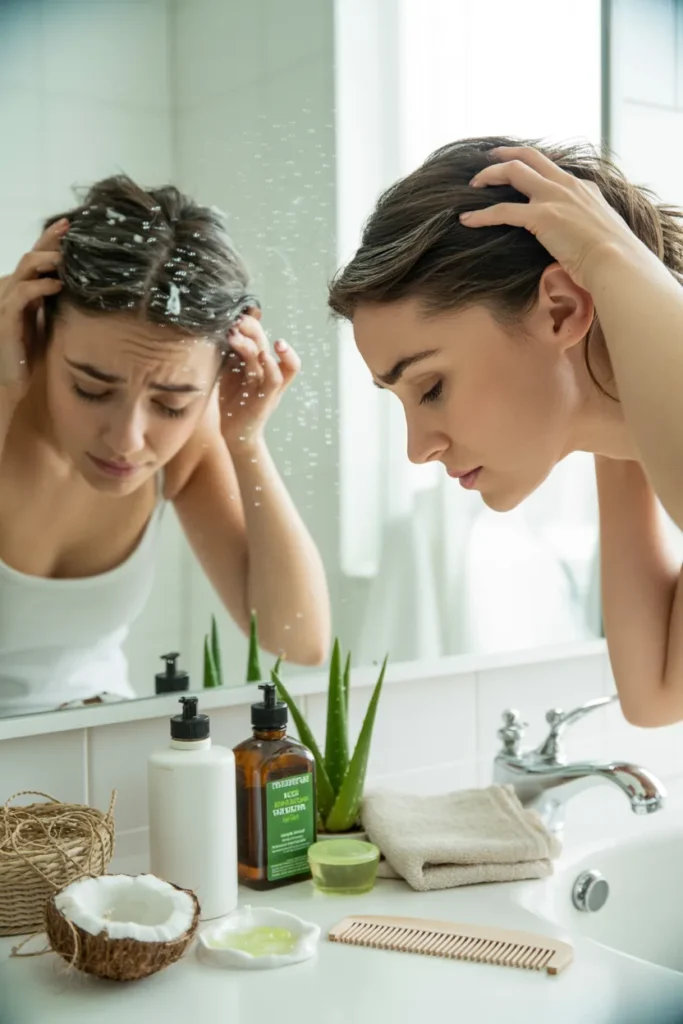
In this guide, I’m covering the root causes, practical remedies, and simple changes that helped me calm irritation fast. From product buildup to dandruff and dryness, I’ve tested what works and what doesn’t.
Above all, I’ve learned that scalp health is directly linked to hair health. Ignoring itchiness can lead to hair fall, flakes, and even infections. So fixing it early matters more than most people think.
Key Takeaways
- I always start by identifying the cause—buildup, dryness, or dandruff
- Double cleansing makes a visible difference in scalp comfort
- Natural remedies like ACV and oils can reduce itch within days
- Harsh shampoos are often the hidden trigger behind irritation
- Weekly scalp care routines help prevent the problem long-term
Why does your scalp itch in the first place?
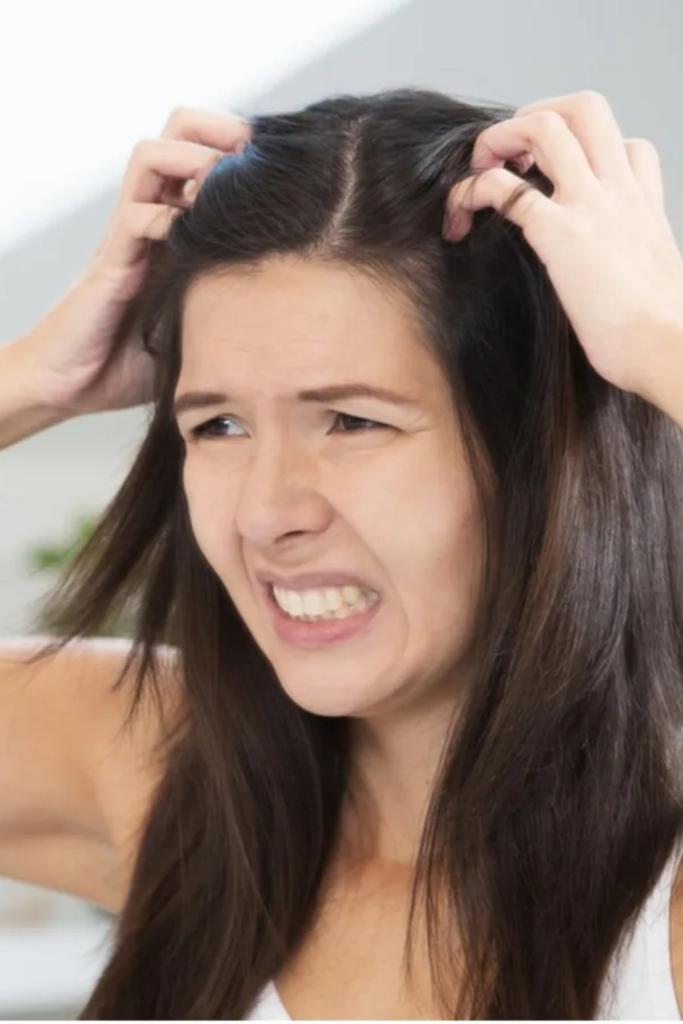
From my experience, an itchy scalp is rarely random. Most of the time, it’s caused by buildup from styling products, sweat, or even the wrong shampoo.
In some cases, it goes deeper. Conditions like dandruff or seborrheic dermatitis affect nearly 50% of adults worldwide, which explains why scalp itching is so common. I’ve also noticed stress and poor diet can make it worse.
Weather plays a role too. Dry air, especially in winter, strips moisture from the scalp and leads to irritation. That’s why I always adjust my routine based on the season.
The key is not guessing but observing patterns. Once I understood my triggers, managing itchiness became much easier.
1. Double Cleanse Scalp
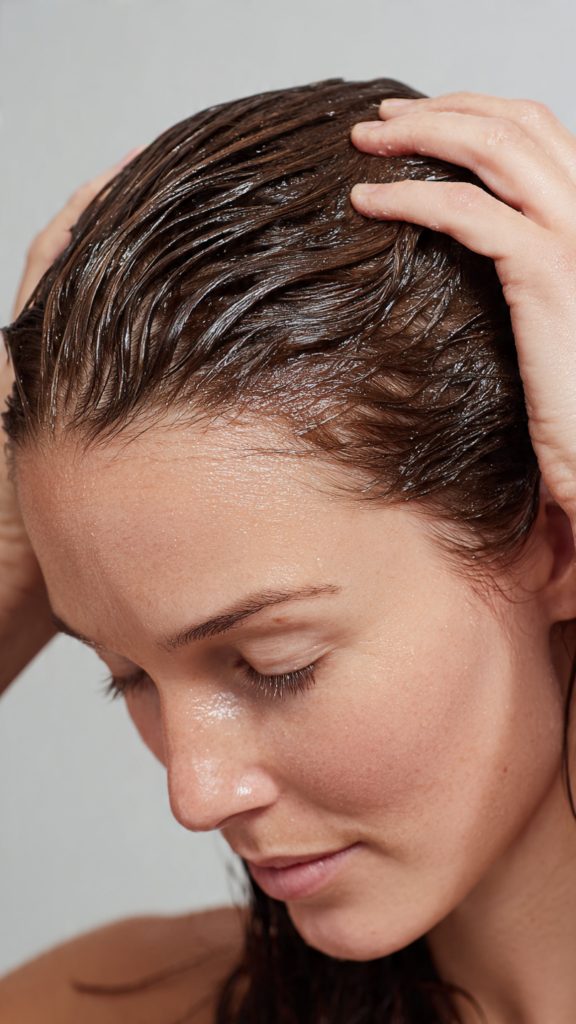
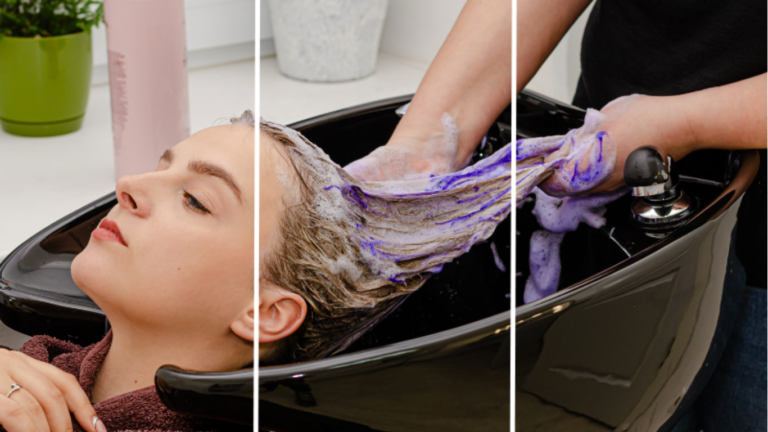
One thing I used to get wrong was washing my hair only once. Now I always double cleanse, and it has completely changed my scalp health.
The first wash removes dirt, oil, and buildup. The second wash actually cleans the scalp and soothes irritation. This method is especially helpful if you use dry shampoo or styling products often.
I also focus on gentle massaging using fingertips. Studies show proper scalp massage improves blood flow, which supports healthier hair growth.
Pro Tip: I never use my nails. Scratching can damage the scalp and make itching worse over time.
2. Apple Cider Vinegar Rinse
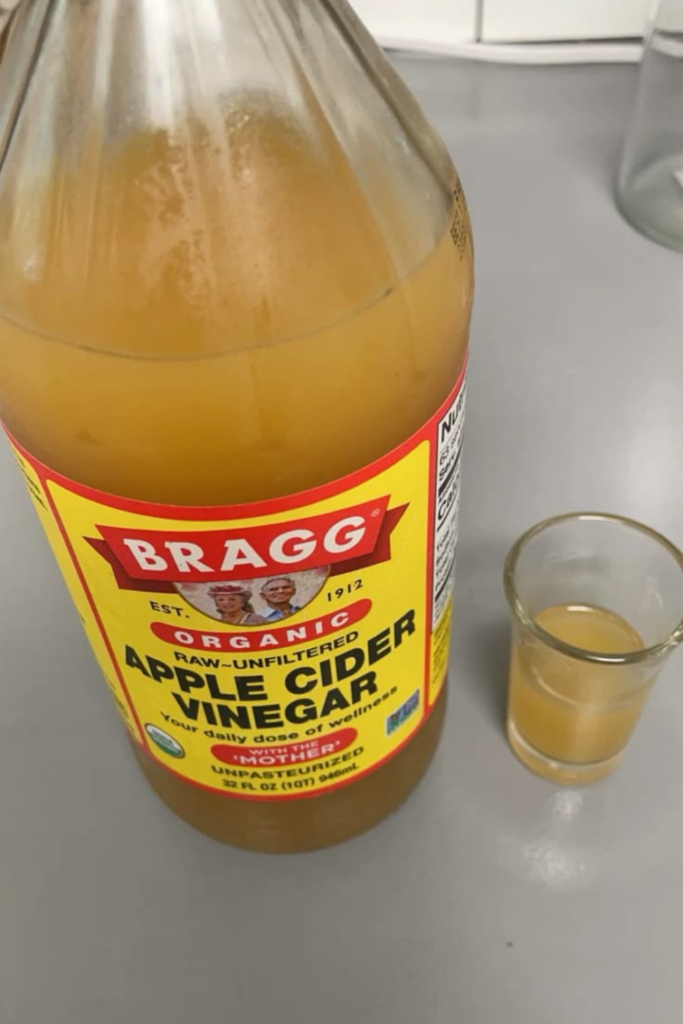
I was skeptical at first, but apple cider vinegar actually works. It helps restore the scalp’s natural pH and fights bacteria that cause itching.
When I use it after shampooing, my scalp feels instantly lighter and less irritated. Research supports its antibacterial and antifungal properties, which explains why it’s effective.
The key is dilution. Strong ACV can irritate the skin if used directly, so balance is important.
Pro Tip: I add a drop of essential oil to reduce the smell and make the experience more pleasant.
3. glycolic acid rinse
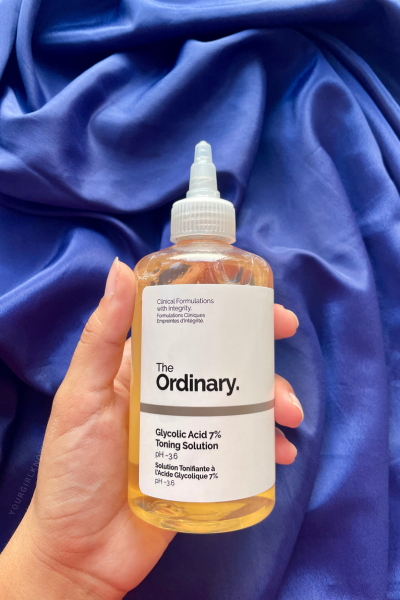
Glycolic acid is one of those ingredients I underestimated. Once I tried it, I noticed a clear difference in buildup and flakes.
It works by exfoliating dead skin cells from the scalp. This helps unclog hair follicles and reduces itchiness caused by residue and oil.
Dermatologists often recommend chemical exfoliation once a week, and I follow the same rule to avoid overuse.
Pro Tip: I always follow up with a hydrating conditioner to maintain moisture balance.
4. Finish with a Cold Rinse
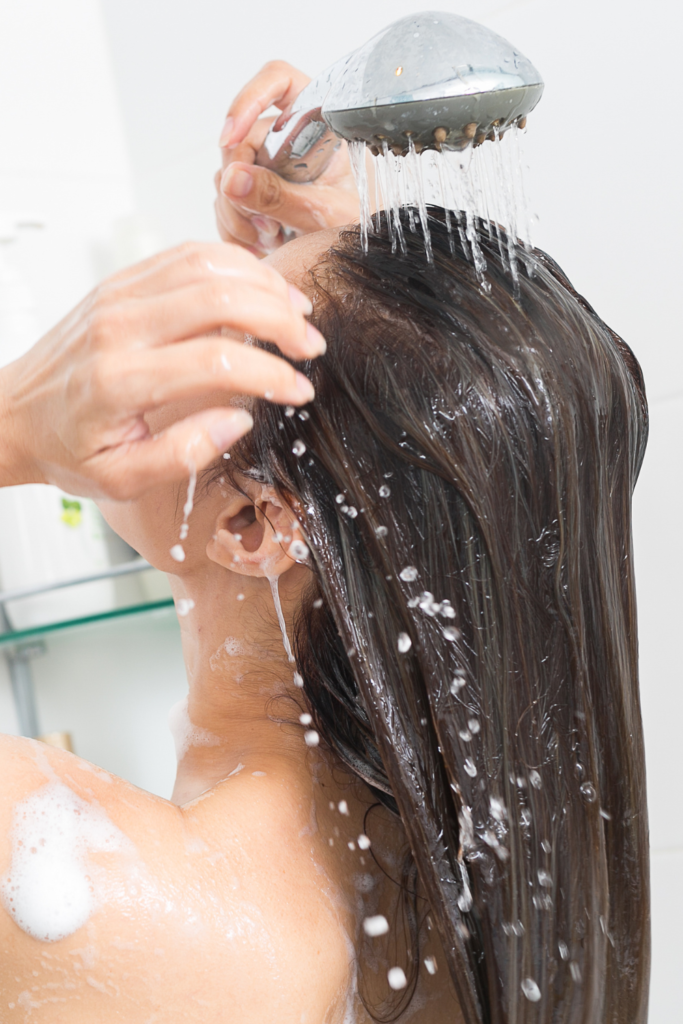
Switching to a cold rinse was not easy, but it made a difference. Hot water can dry out the scalp and increase irritation.
Cold water helps seal moisture and calm inflammation. I noticed less itching and better shine after making this small change.
Even if you don’t want a full cold shower, rinsing just your scalp works fine.
Pro Tip: I use lukewarm water for washing and finish with cold water for best results.
5. Yogurt + a Pinch of Boric Acid
This combination sounded unusual to me at first, but it works surprisingly well. Yogurt provides hydration and probiotics that support scalp balance.
Adding a small amount of boric acid helps target fungal issues that cause itching and flakes. Together, they create a soothing scalp treatment.
I keep the application time short to avoid overexposure, especially with active ingredients.
Pro Tip: I always use plain yogurt. Flavored ones contain sugar that can irritate the scalp.
6. Tea Tree Oil + Jojoba Oil
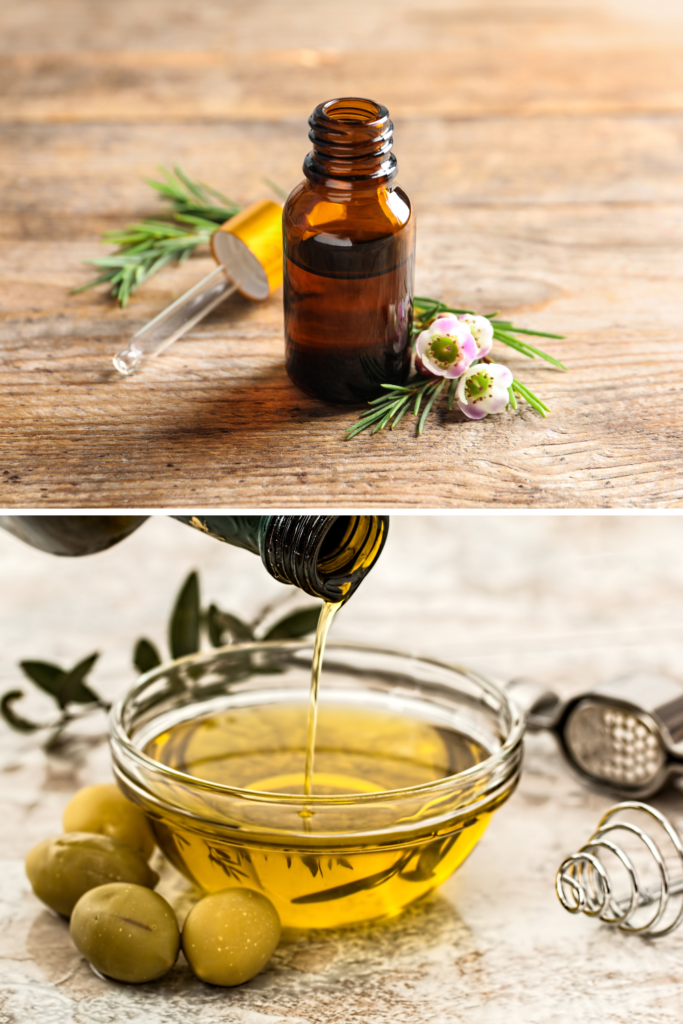
Tea tree oil is one of my go-to remedies when itching gets intense. It targets bacteria and fungi, which are often the root cause.
Jojoba oil helps balance natural scalp oils and prevents dryness. This combination works well for both oily and dry scalps.
I’ve noticed that consistent use reduces itching within a few applications.
Pro Tip: I always dilute tea tree oil. Using it directly can cause irritation.
7. Onion Juice + Ginger Combo
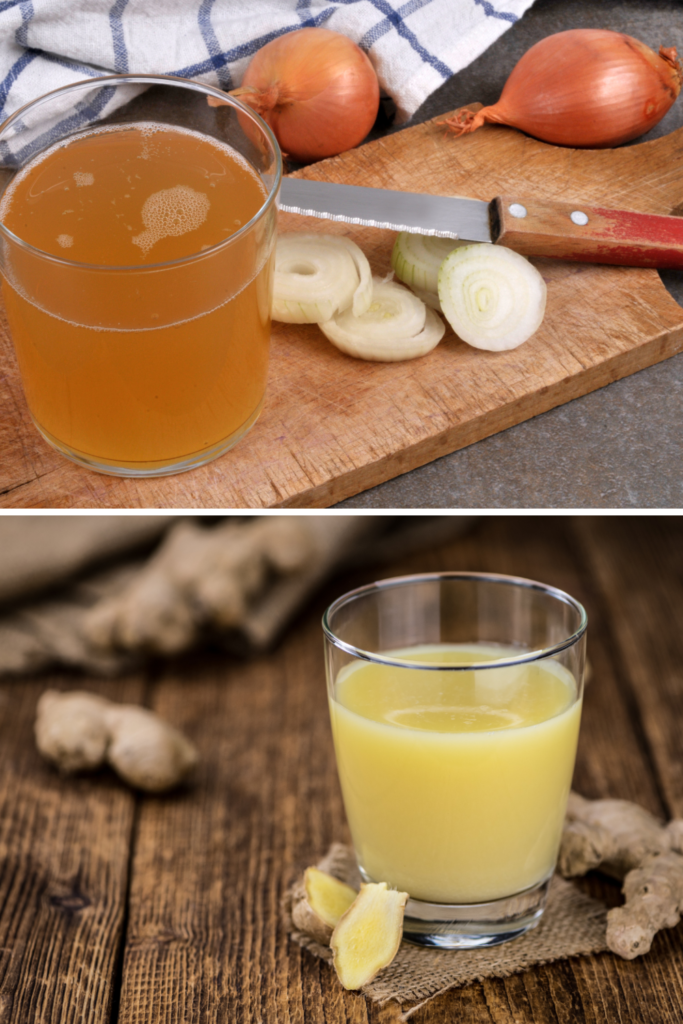
This remedy is strong but effective. Onion juice contains sulfur, which improves blood circulation and reduces inflammation.
Ginger adds anti-inflammatory benefits that help calm irritation faster. I’ve seen better scalp comfort and reduced itching after regular use.
The smell can be intense, but the results make it worth trying at least once.
Pro Tip: I rinse with a mild acidic solution afterward to remove the odor completely.
8. Switch to Sulfate-Free & Fragrance-Free Shampoo
One of the biggest changes I made was switching my shampoo. Harsh formulas with sulfates were stripping my scalp and making things worse.
Gentle shampoos help maintain natural oils and reduce irritation. Dermatologists often recommend fragrance-free options for sensitive scalps.
Since switching, I’ve experienced fewer flare-ups and less dryness overall.
Pro Tip: I always check labels and look for calming ingredients like aloe vera or oatmeal.
Itchy Scalp FAQ Guide
Why does my scalp itch so badly?
From what I’ve learned, it usually comes down to dryness, dandruff, or buildup. In some cases, it may indicate a skin condition that needs attention.
Does lemon stop hair itching?
Yes, it can help balance pH levels and reduce itchiness. I’ve used it occasionally with good results when diluted properly.
Is applying lemon directly on hair harmful?
Direct application can make the scalp sensitive, especially under sunlight. I always dilute it to avoid irritation.
What can I drink to stop itching?
Hydration plays a bigger role than most people think. I focus on water, green tea, and omega-3-rich foods to support scalp health from within.
How can I stop my scalp from itching at home?
Simple remedies like oil massages or aloe-based treatments work well. I rely on these when I want quick relief without harsh chemicals.
Is coconut oil good for an itchy scalp?
Yes, it helps moisturize and protect the scalp. I use it regularly, especially when my scalp feels dry or tight.
Final Thoughts
If you’ve been struggling with itchiness, I get it—it’s distracting and uncomfortable. But once I started following a proper routine, things improved quickly.
The secret to How to Get Rid of Itchy Scalp is consistency. Quick fixes help, but long-term habits make the real difference.
Pay attention to what your scalp needs, avoid harsh products, and stick to a routine that supports balance. That’s what worked for me, and it can work for you too.