22 Natural Hair Tips for Beginners To Let Your Hair Loose!
Natural Hair Tips for Beginners
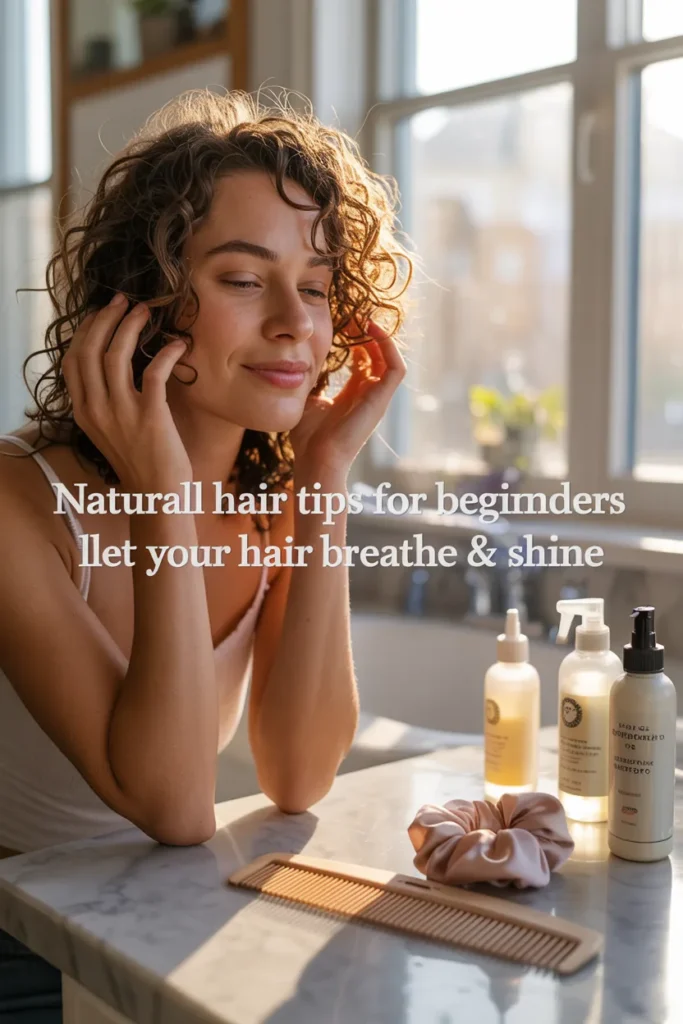
I use these Natural Hair Tips for Beginners to build a simple routine that improves strength, shine, and overall hair health over time. My focus is on understanding hair type, fixing moisture balance, reducing damage, and keeping scalp care consistent.
Above-the-fold Summary
I’ve seen that when I stick to basics like cleansing, conditioning, and protecting my hair, I deal with less breakage and frizz. I also notice better results when I support my routine with good food, hydration, and the right products.
Key Takeaways
- I start by understanding my hair type and porosity
- Moisture and protein balance is essential for healthy hair
- Heat styling and friction are major causes of damage
- Diet and hydration directly affect hair growth
- Consistency matters more than expensive products
Why is It Important for You to Have a Natural Hair Care Routine in Place?

I’ve realized that stress, pollution, and chemical treatments slowly weaken hair. When I follow a natural routine, I reduce breakage and support healthier growth.
On average, losing 50–100 strands daily is normal, but poor care can increase shedding. A proper routine helps me keep my scalp balanced and my hair stronger.
It also saves money because I don’t rely heavily on salon treatments for damage repair.
How do you start natural hair for beginners?

I start by accepting my natural texture instead of forcing chemical changes. Then I build a simple routine that I can actually maintain daily.
I also focus on porosity and scalp condition because they affect how my hair responds to products.
How can I maintain my natural hair naturally?
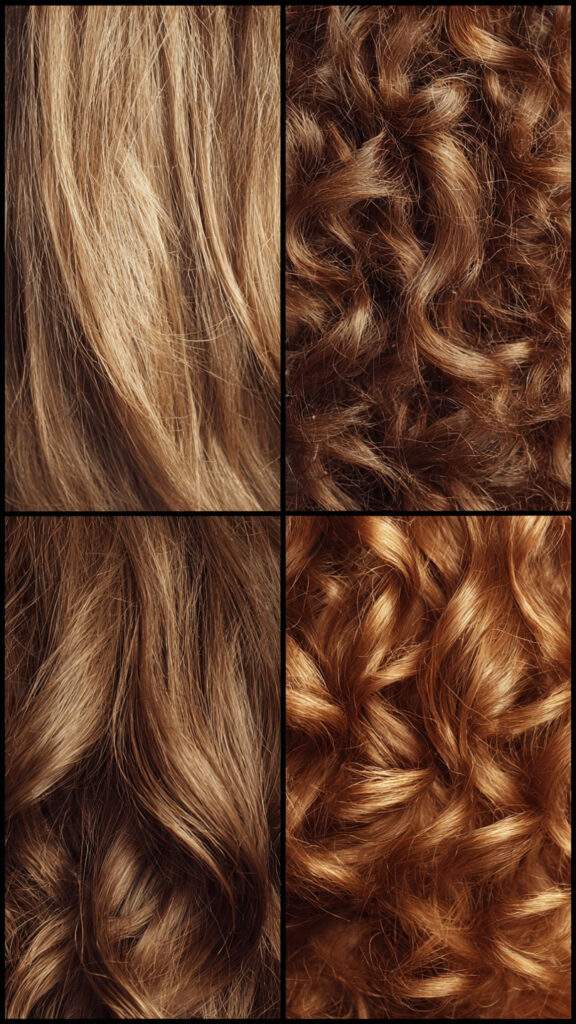
1. Do you really know your hair type?!
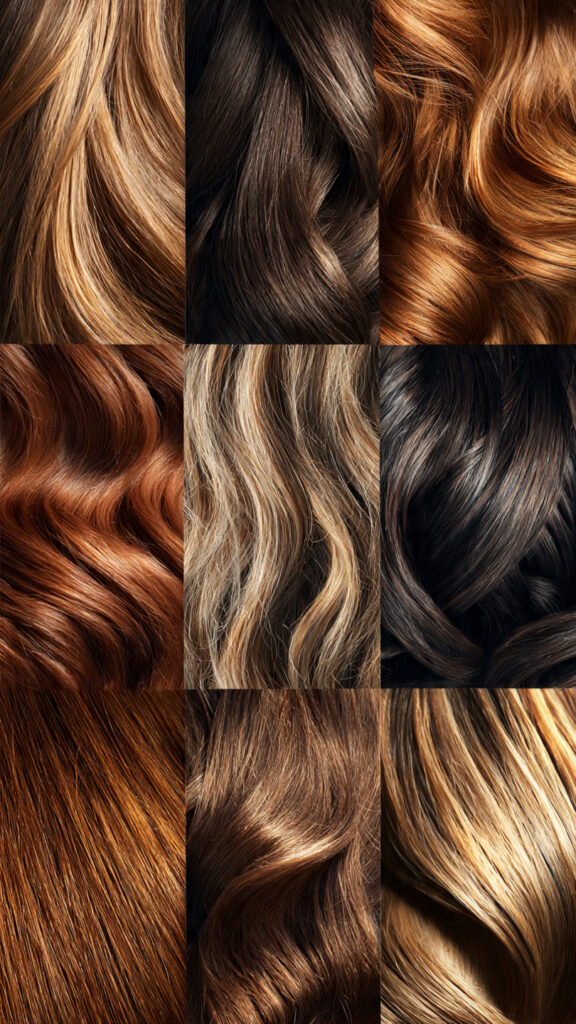
I always begin by identifying my hair type and scalp condition. Whether my hair is straight, wavy, or curly, it changes my entire routine.
I also check porosity because low and high porosity hair need different product choices.
Pro tip: Once I understand my porosity, I stop wasting money on wrong products.
2. Keep your hair squeaky clean.
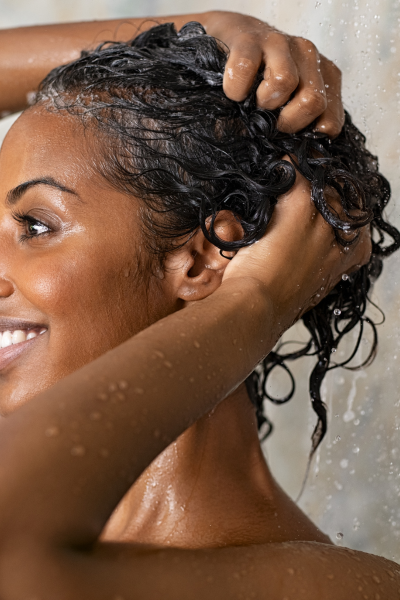
I wash my hair based on scalp oil levels instead of a fixed schedule. Oily scalp needs more frequent washing, while dry hair needs less.
I always use a mild sulfate-free shampoo to protect natural oils.
3. Just like your skin, hair needs moisturization too!
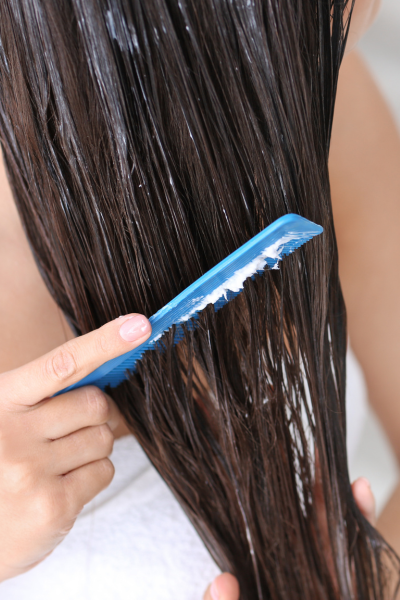
I treat moisture as a key step in my routine. Without it, hair becomes dry and prone to breakage.
I adjust hydration based on weather, water quality, and styling habits. Ingredients like aloe vera and shea butter help me keep hair soft.
4. Get your hair trimmed at regular intervals.
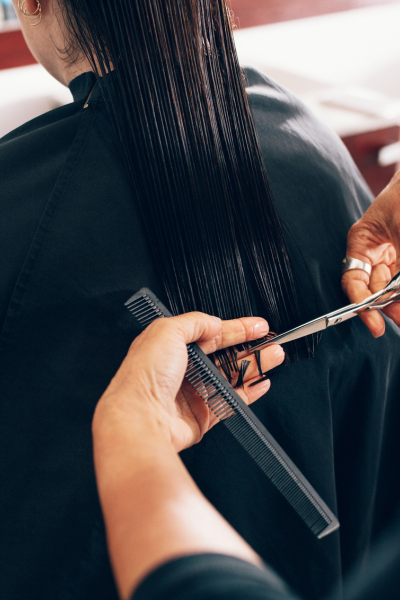
I trim my hair every few months to remove split ends. It actually helps maintain healthy length over time by preventing damage spread.
5. You cannot miss the LOC Method
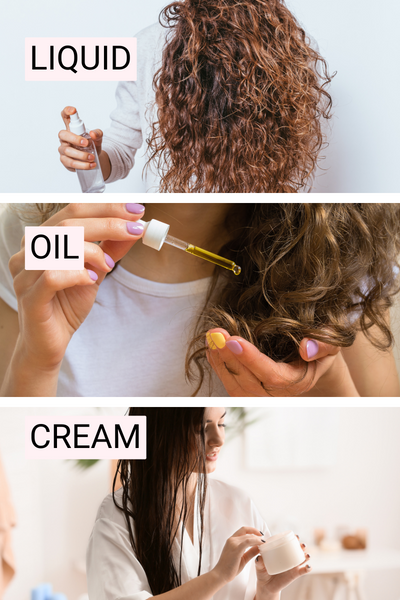
I use the LOC method when my hair feels dry.
I apply liquid first, then oil, and finally cream to lock in moisture and reduce frizz.
6. Create a perfect wash day!
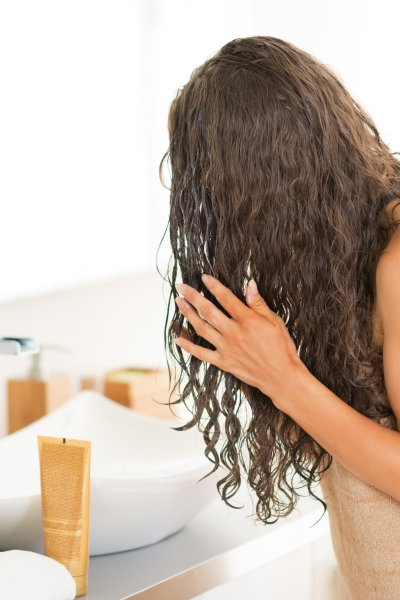
I treat wash day as a full care process.
I pre-oil, gently shampoo, condition properly, and deep condition when needed.
7. Have balanced, nutrition-rich meals.

I noticed better hair health when I eat balanced meals rich in protein, vitamins, and healthy fats.
Foods like eggs, vegetables, nuts, and fruits support stronger growth from within.
8. Clarifying Your Hair Got Easier
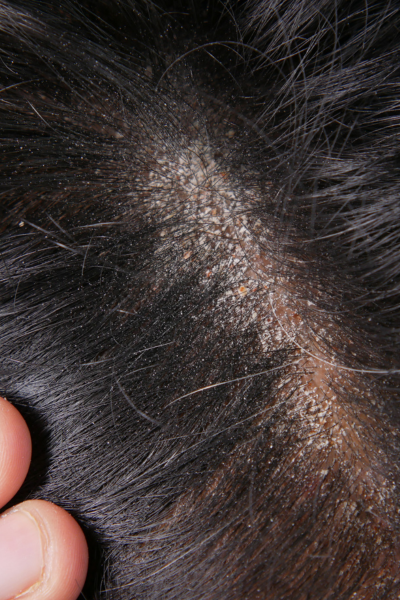
I use clarifying shampoo occasionally to remove buildup from products and pollution.
Without it, my scalp feels heavy and less clean over time.
9. No More Direct Heat Styling
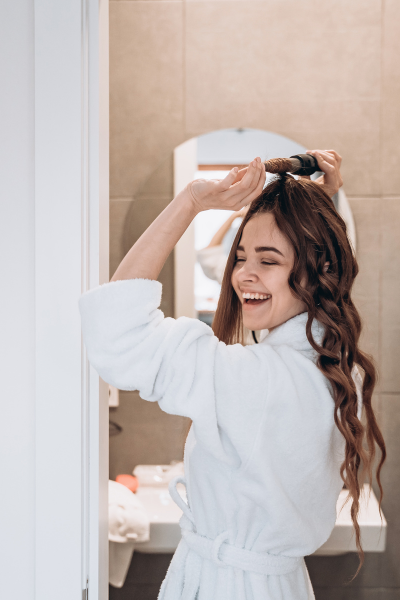
I avoid frequent heat styling because it weakens hair structure.
Instead, I prefer heatless styles like braids and twists.
10. Wash Only Your Roots with Shampoo
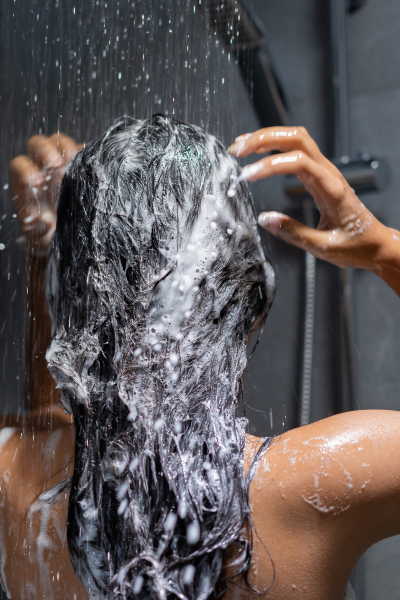
I focus shampoo on my scalp instead of full length.
This helps me protect natural oils in my hair strands.
11. Say NO to Sleeping with Oil on Your Hair
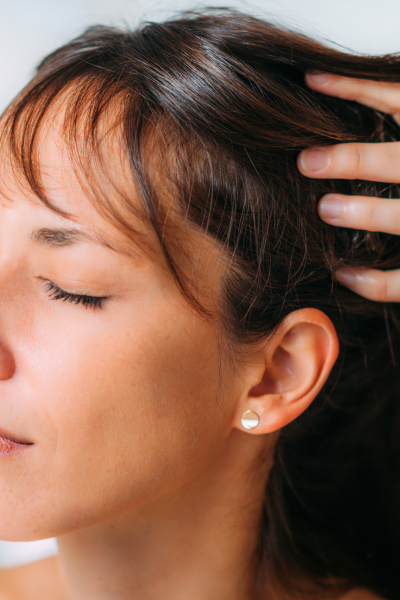
I avoid overnight oiling because it can attract dirt and clog pores.
Short pre-wash oil treatments work better for me.
12. The Power of Cold Water Rinsing
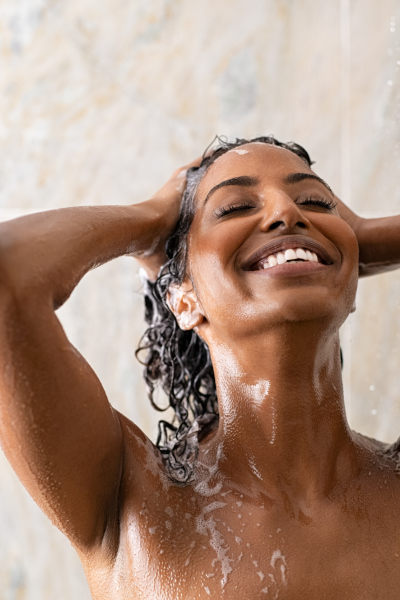
I rinse my hair with cold water at the end of wash day.
It helps seal cuticles and improves shine.
13. Choose natural hair care products based on your hair type.
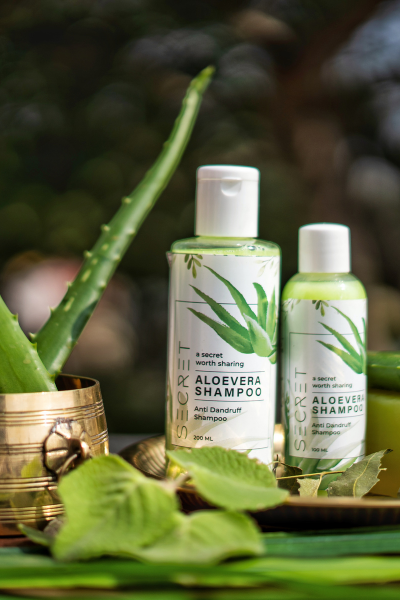
I always choose products based on ingredients like aloe vera, honey, and natural oils.
This helps me avoid buildup and irritation.
14. Work out every day to boost hair health.
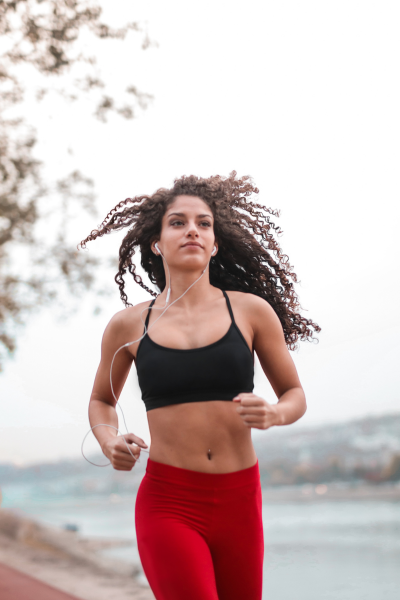
I’ve noticed better hair growth when I stay active because exercise improves blood circulation to the scalp.
Even light workouts make a difference.
15. Go for low-maintenance hairstyles.
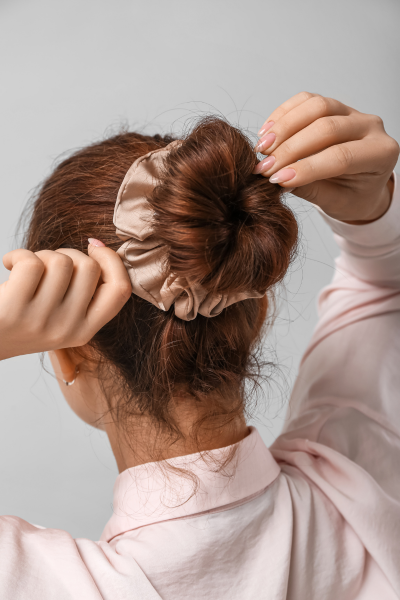
I prefer protective styles because they reduce daily stress on my hair.
It also helps me retain length and reduce breakage.
16. Keep your hair detangled all the time.
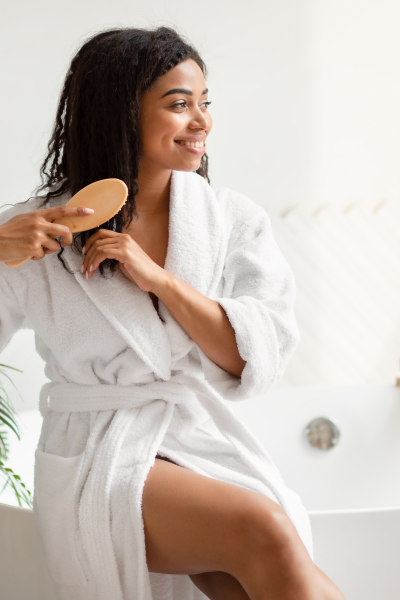
I detangle gently when my hair is damp to avoid breakage.
Starting from ends makes the process smoother.
17. Avoid friction while sleeping.

I use satin pillowcases because cotton causes friction and dryness.
This helps reduce frizz and breakage.
18. Minimise chemical and heat treatment on your hair.
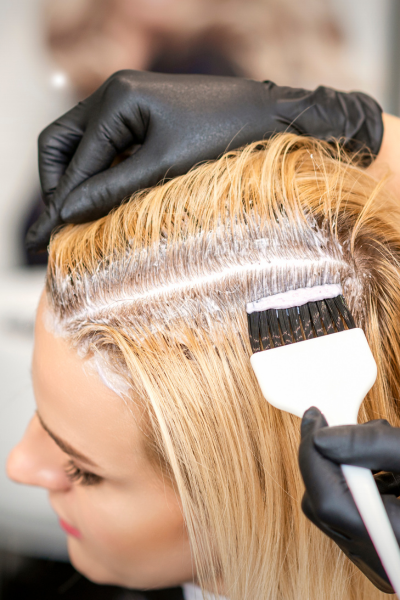
I limit chemical treatments because they weaken hair over time.
I prefer natural styling whenever possible.
19. Massage your scalp thrice a week.
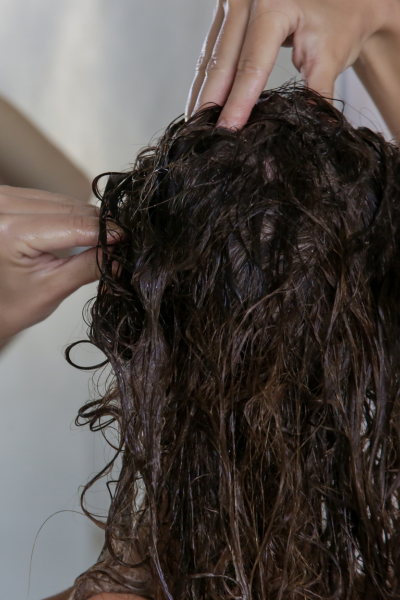
I massage my scalp regularly to improve blood circulation.
Consistency is important to see visible results over time.
20. Protect your hair from sun damage.

I protect my hair with scarves or hats during long sun exposure.
UV rays can dry out and weaken hair strands.
21. Keep yourself hydrated.

I drink enough water daily because hydration affects hair strength and softness.
Low water intake often leads to dull hair.
22. Maintain protein-moisture balance.
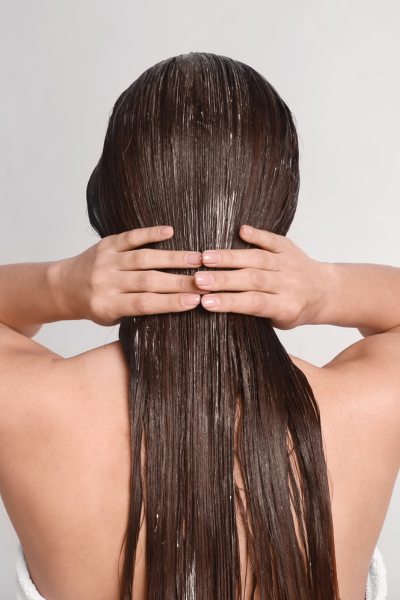
I balance protein and moisture treatments to keep my hair strong but flexible.
Too much protein makes hair stiff, while too much moisture weakens it.
FAQ,s
1. How often should I wash my natural hair?
I usually wash my hair 2–3 times a week depending on how oily my scalp gets and my environment.
2. Can I wash natural hair every day?
I avoid daily washing because it strips natural oils and can make hair dry and frizzy over time.
3. What is the best shampoo for beginners?
I always go for a mild, sulfate-free shampoo because it cleans without damaging natural moisture.
4. Do I really need conditioner every time I wash?
Yes, I use conditioner every wash because it helps reduce breakage and makes detangling easier.
5. What is hair porosity and why does it matter?
I check porosity to understand how my hair absorbs moisture. It helps me choose the right products.
6. How do I know my hair type?
I observe my natural texture—straight, wavy, curly, or coily—and how it reacts to products.
7. Is oiling necessary for natural hair?
I use oiling, but in moderation. It helps seal moisture but too much can cause buildup.
8. Can I leave oil overnight in my hair?
I avoid overnight oiling because it can clog pores and attract dirt and scalp issues.
9. How often should I trim my hair?
I trim every 5–7 months to remove split ends and prevent further damage.
10. What is the LOC method?
I use Liquid, Oil, and Cream in order to lock moisture into my hair and reduce dryness.
11. Why is my natural hair always frizzy?
Frizz usually comes from dryness, heat damage, or lack of proper moisture balance.
12. Does diet really affect hair growth?
Yes, I’ve noticed better growth when I eat protein-rich and nutrient-dense foods regularly.
13. Which foods are best for hair growth?
I include eggs, nuts, leafy greens, fruits, and healthy fats in my diet for stronger hair.
14. Should I avoid heat styling completely?
I try to limit heat styling because it weakens hair over time, but occasional use is okay with protection.
15. What is the best way to detangle natural hair?
I always detangle on damp hair using conditioner and start from the ends going upward.
16. How can I protect hair while sleeping?
I use satin pillowcases or wrap my hair to reduce friction and prevent breakage.
17. Does scalp massage help hair growth?
Yes, I massage my scalp regularly because it improves blood circulation and supports growth.
18. Why should I use cold water for final rinse?
I use cold water because it helps seal hair cuticles and makes my hair look shinier.
19. How long does it take to see results from a natural hair routine?
I usually notice visible improvements in about 3–4 months with consistent care.
20. What is the biggest mistake beginners make?
I think the biggest mistake is switching products too often instead of staying consistent with a routine.