10 Kitchen-ready DIY Hair Masks for Damaged Hair You’ll Want to Try ASAP!
Outfits
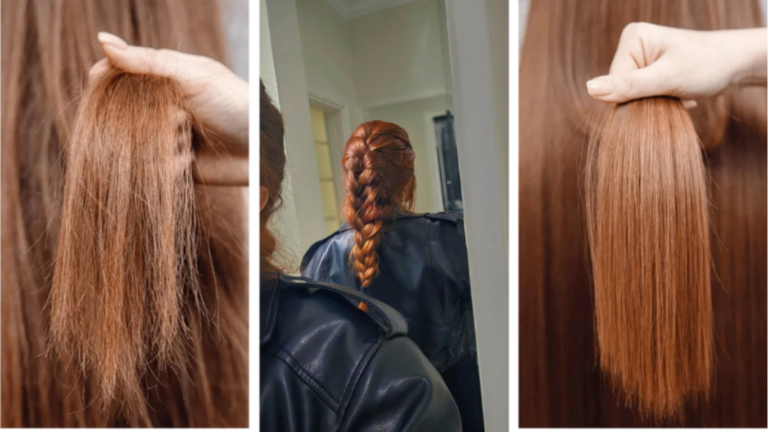
I’ve personally dealt with hair damage from heat styling, coloring, and everyday stress. Over time, I realized salon treatments are expensive and often filled with ingredients I don’t fully trust. That’s when I started using Kitchen-ready DIY Hair Masks for Damaged Hair, and I saw real improvement in texture, strength, and shine.
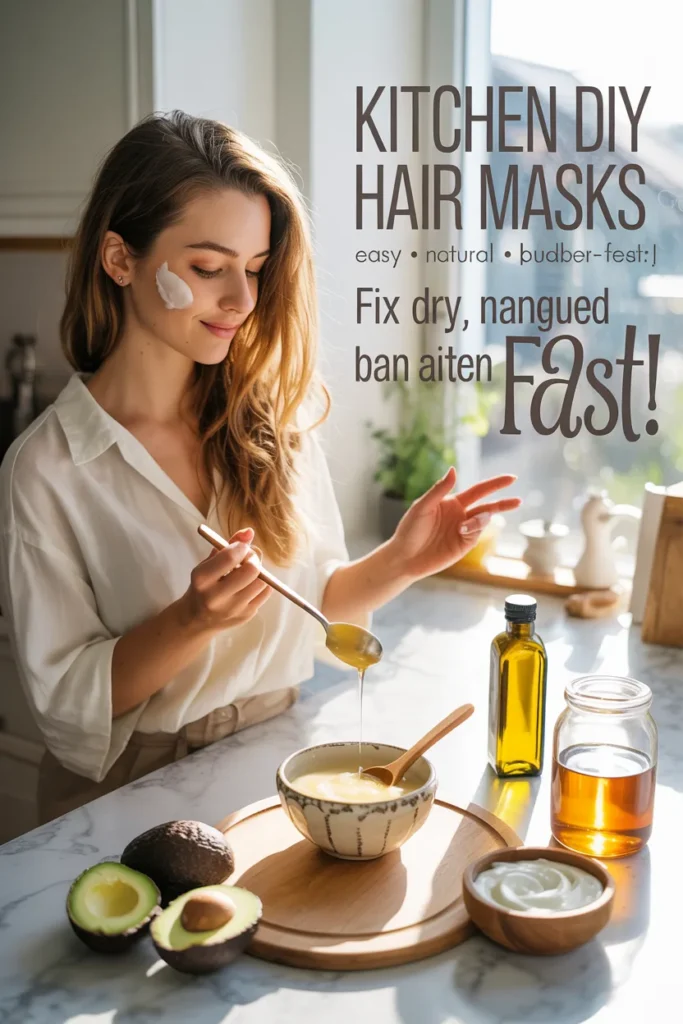
These DIY masks use simple ingredients that provide moisture, protein, and nourishment. If your hair feels dry, frizzy, or weak, these remedies can help restore it without spending a fortune.
Key Takeaways
- Natural masks can improve hair strength and reduce breakage over time
- Protein and moisture balance is essential for healthy hair
- Scalp care plays a major role in hair growth
- Overusing masks can damage hair instead of fixing it
- Consistency (1–2 times weekly) gives the best results
Complete Article Summary
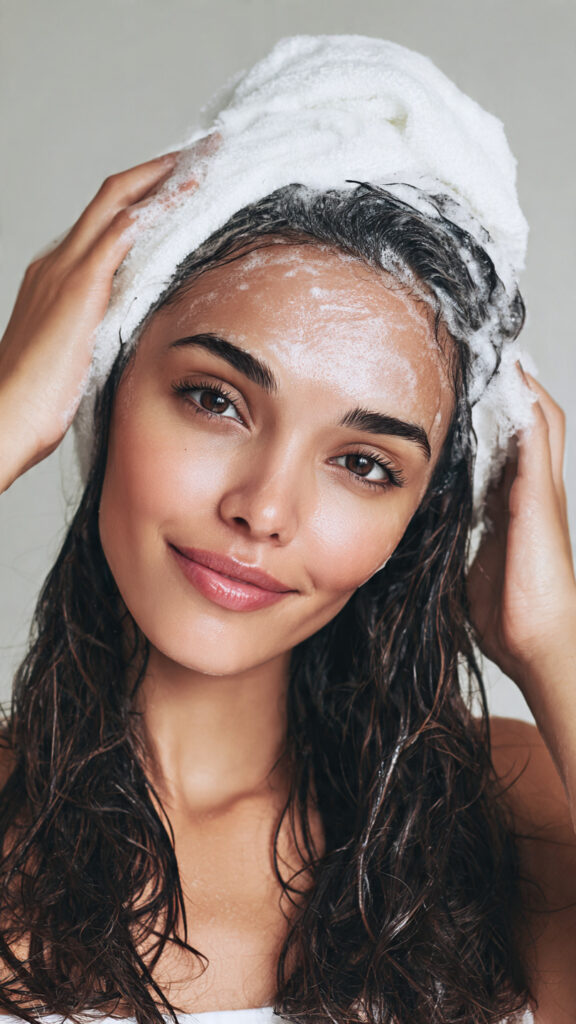
From my experience, damaged hair needs consistent care with the right balance of hydration and protein. In this guide, I’ve covered 10 effective Kitchen-ready DIY Hair Masks for Damaged Hair using ingredients like coconut oil, eggs, yogurt, and avocado. Each mask targets specific concerns like breakage, dullness, buildup, and slow growth. I’ve also shared practical tips and common mistakes to avoid so you can get better results.
Why DIY Hair Masks?

I used to think DIY masks were just trends, but once I tried them, I noticed visible changes in my hair. These masks are packed with nutrients that actually support hair repair.
One of the biggest benefits is avoiding harsh chemicals. Many products contain sulfates and parabens, while DIY options let me control everything I apply.
I also like how customizable they are. My hair needs change, and I can easily adjust ingredients based on dryness, frizz, or breakage.
They’re also cost-effective. Instead of buying expensive products, I use ingredients already in my kitchen.
Pro Tip: I always apply masks to slightly damp hair so they absorb better.
1. Coconut Oil
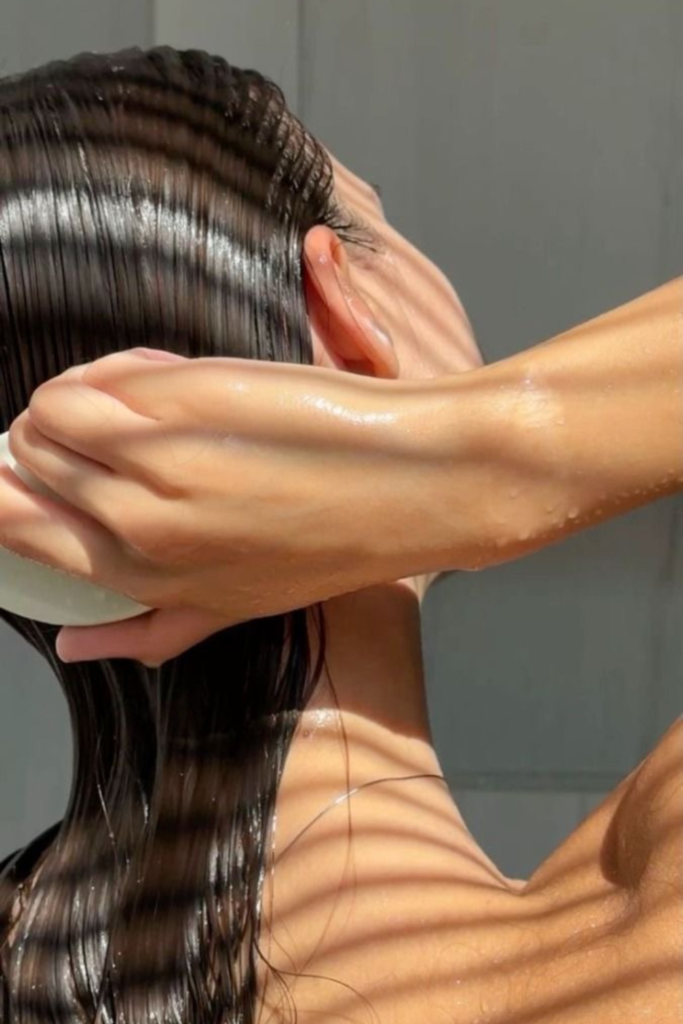
When my hair feels extremely dry or damaged, coconut oil works really well. It penetrates deep into the hair shaft and helps reduce protein loss.
I’ve noticed less breakage and smoother ends when I use it regularly.
Directions:
I warm 2–3 tablespoons of coconut oil and massage it into my scalp and lengths. Then I leave it for at least an hour or overnight.
Pro Tip: Use a small amount if you have fine hair to avoid buildup.
2. Egg Yolk and Honey
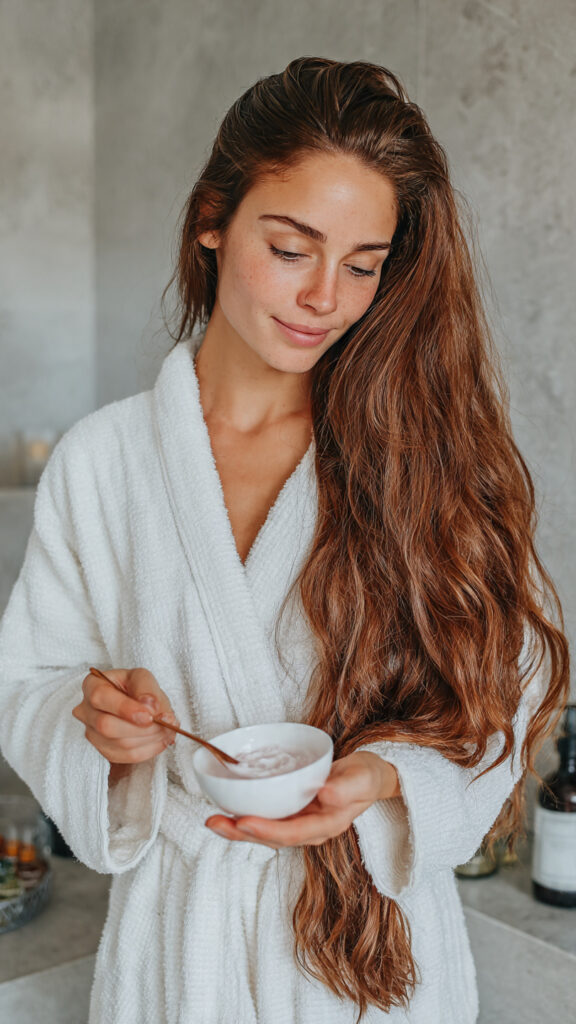
This mask helps when my hair feels weak and lifeless. Egg yolk provides protein, while honey locks in moisture.
After using it, my hair feels stronger and softer at the same time.
Directions:
I mix one egg yolk with 2 tablespoons of honey and apply it to damp hair. I leave it for about 20 minutes before rinsing.
Pro Tip: Always rinse with cool water to prevent the egg from cooking.
3. Banana, Yogurt, and Honey

This mask works great for frizz. Banana helps improve elasticity, yogurt cleans the scalp, and honey adds moisture.
It makes my hair feel smoother and easier to manage.
Directions:
I blend one ripe banana with yogurt and honey until smooth, then apply it for 20–30 minutes.
Pro Tip: Blend properly to avoid chunks sticking in your hair.
4. Yogurt and Olive Oil
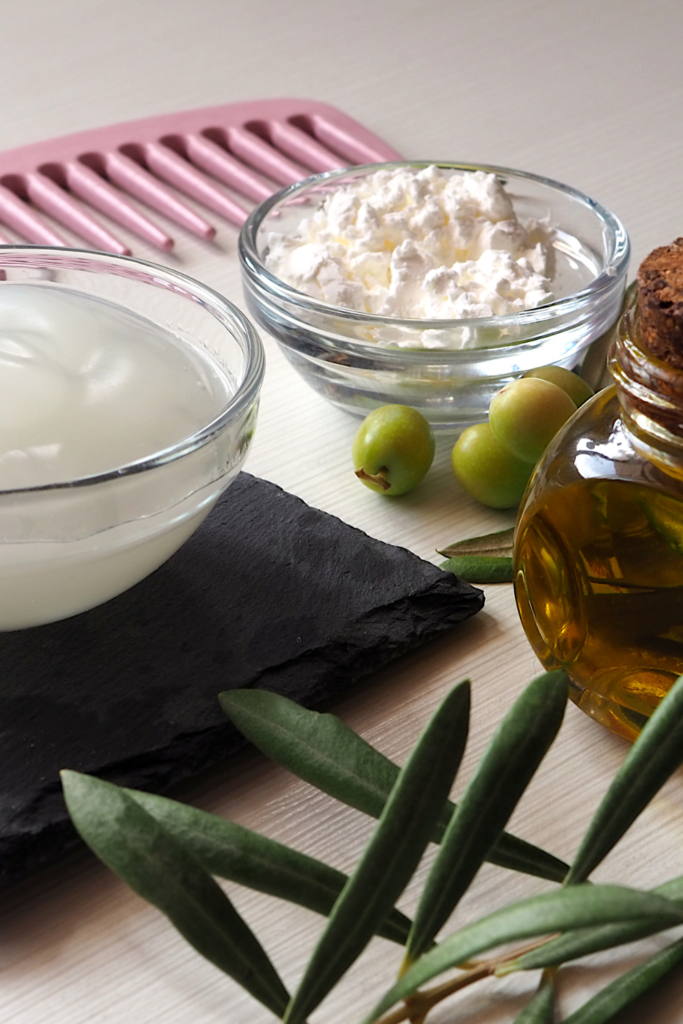
When my hair looks dull, this mask helps bring back shine. Yogurt nourishes while olive oil deeply hydrates.
I’ve noticed my hair feels softer after using it.
Directions:
I mix yogurt with olive oil and apply mainly to the ends. I leave it for about 30 minutes.
Pro Tip: Focus on damaged areas instead of roots if your scalp is oily.
5. Avocado, Honey, and Olive Oil
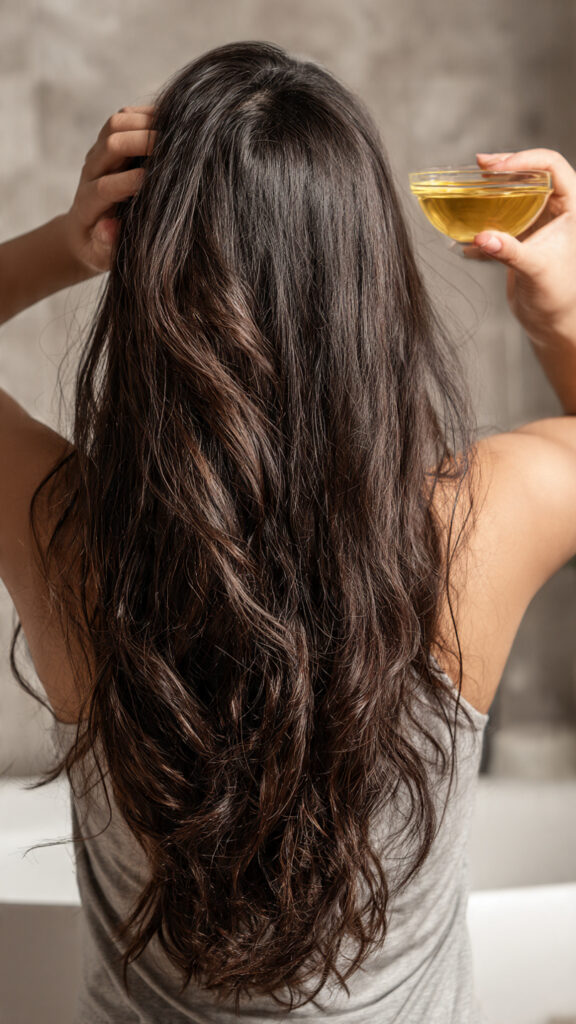
This is my go-to for very dry hair. Avocado repairs damage, honey hydrates, and olive oil locks in moisture.
It leaves my hair soft and manageable.
Directions:
I mash avocado and mix it with honey and olive oil, then apply for 30–40 minutes.
Pro Tip: Use a warm towel to improve absorption.
6. Castor Oil
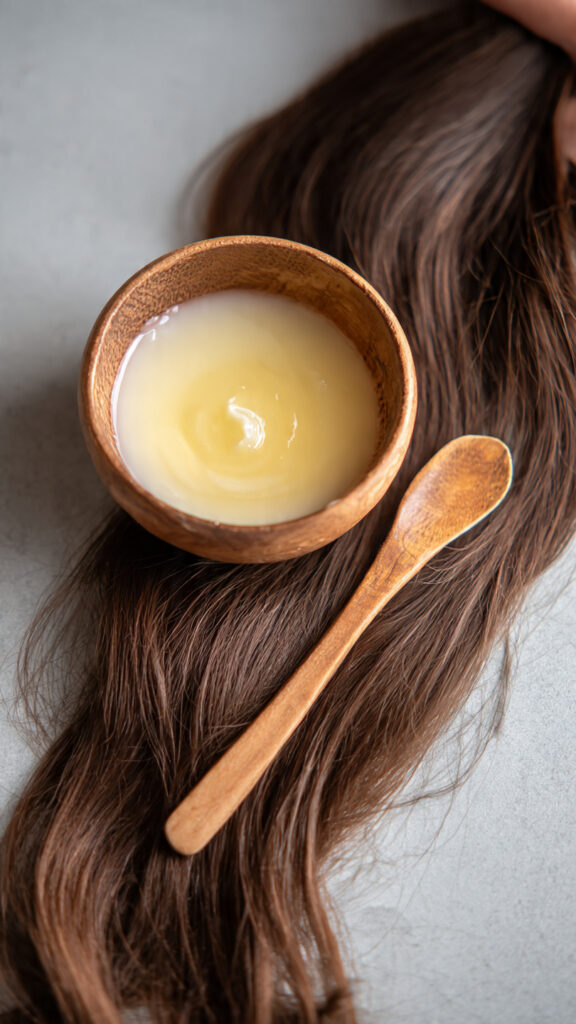
I started using castor oil for hair growth, and over time, I noticed thicker-looking hair. It also helps improve scalp health.
Directions:
I mix castor oil with a lighter oil and massage it into my scalp. I leave it for at least an hour.
Pro Tip: Use consistently for a few weeks to see results.
7. Coconut Oil, Argan Oil, and Almond Oil
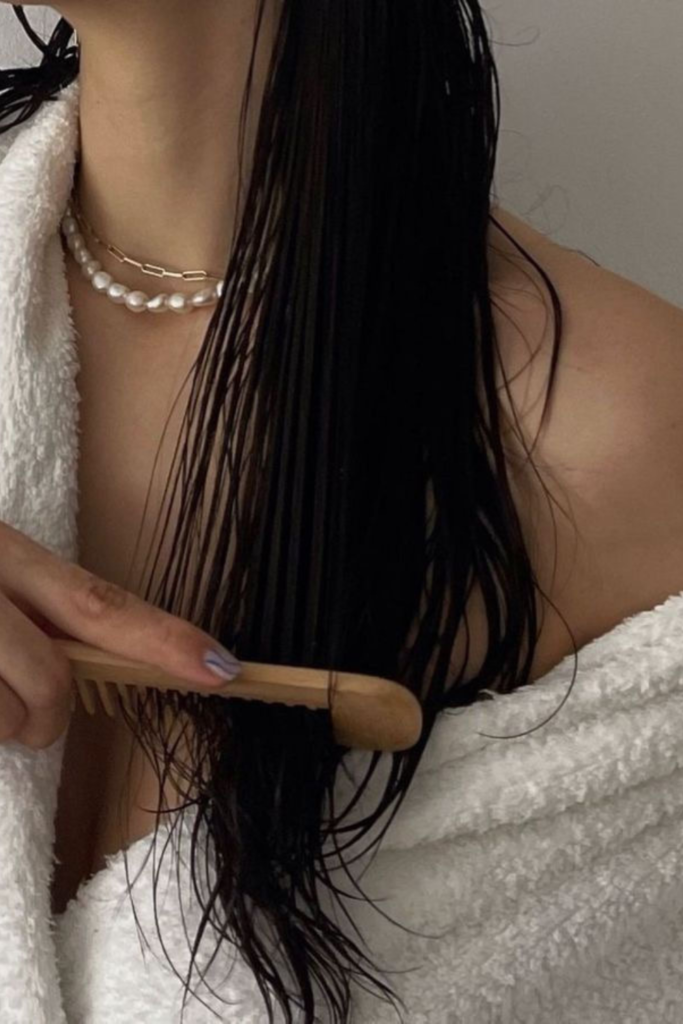
This combination helps when my hair feels extremely dry. Each oil provides hydration, shine, and strength.
It works well for overall hair repair.
Directions:
I mix equal parts of the oils, warm them slightly, and apply for about an hour.
Pro Tip: Great for chemically treated hair.
8. Yogurt, Apple Cider, and Honey
This mask helps remove buildup and balance the scalp. It leaves my hair feeling light and fresh.
Directions:
I mix yogurt, honey, and a little apple cider vinegar, then apply for 20–30 minutes.
Pro Tip: Use once every 1–2 weeks to avoid over-cleansing.
9. Brown Sugar and Olive/Coconut Oil
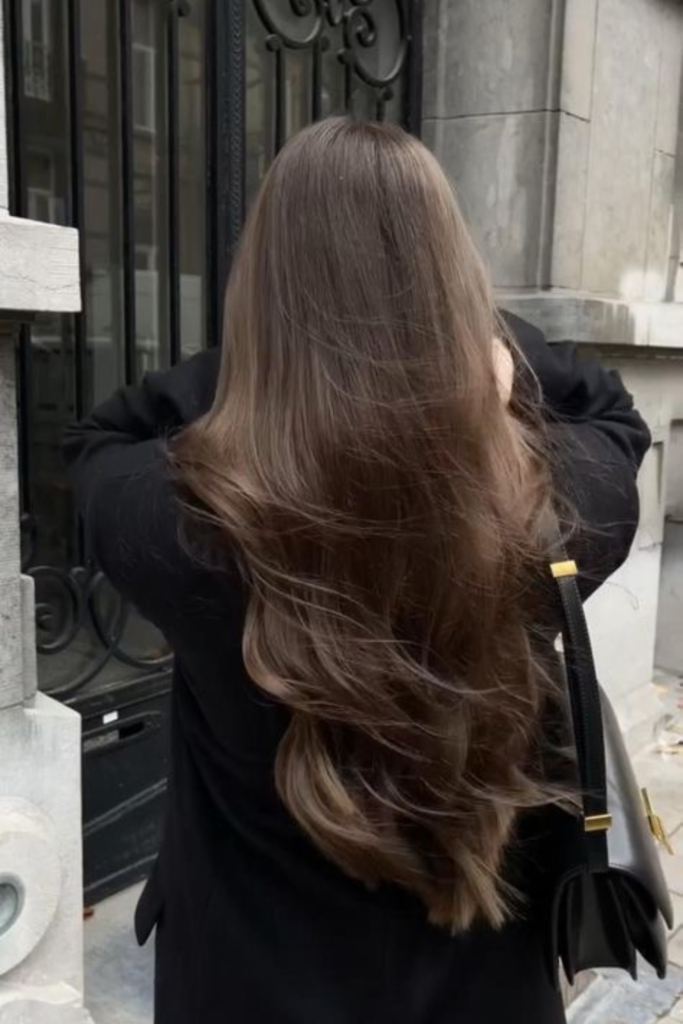
This works as a scalp scrub. It removes buildup and improves scalp health.
I noticed better hair growth when my scalp stayed clean.
Directions:
I massage brown sugar mixed with oil into my scalp for a few minutes, then rinse.
Pro Tip: Be gentle to avoid irritation.
10. Rice and Avocado
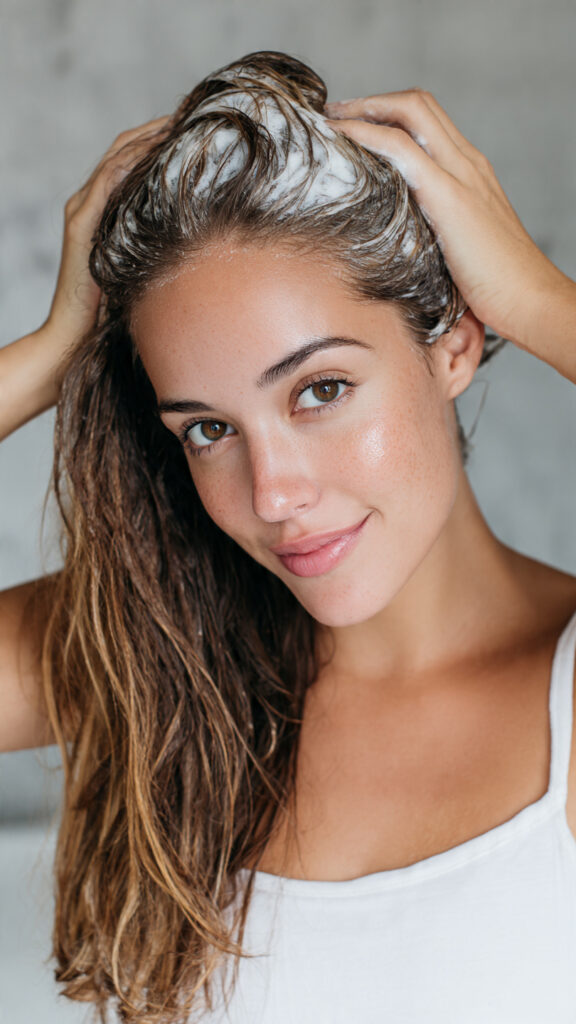
This mask helps strengthen and nourish hair. Rice adds protein, while avocado hydrates deeply.
It makes my hair feel healthier and shinier.
Directions:
I blend cooked rice with avocado and apply it for 30–45 minutes.
Pro Tip: Use weekly for better results.
What to Avoid?
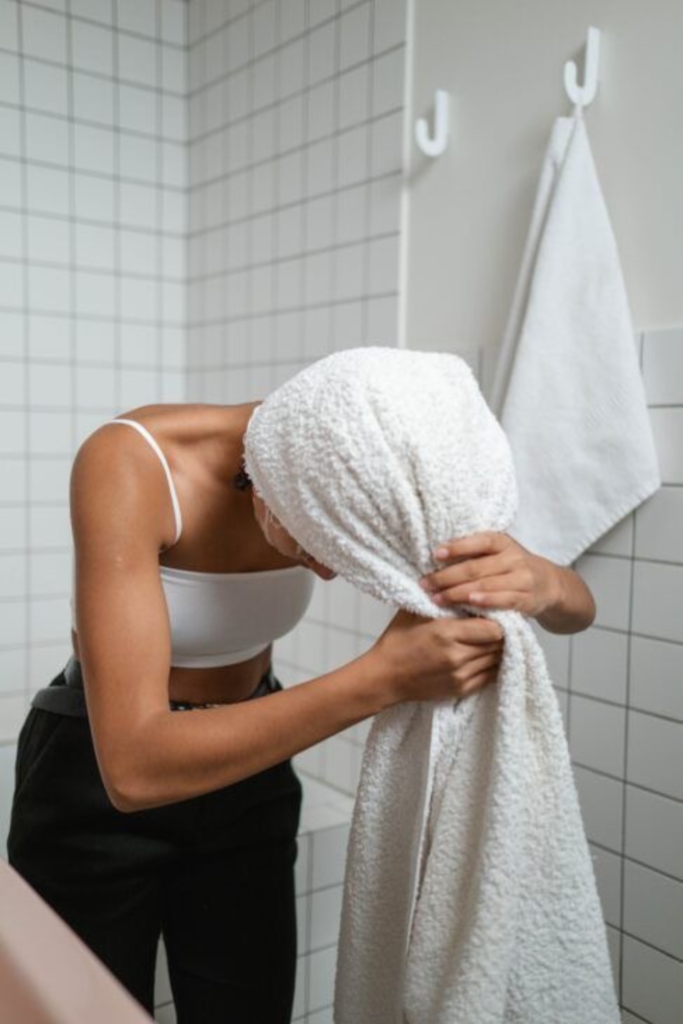
From my experience, even the best Kitchen-ready DIY Hair Masks for Damaged Hair can go wrong if used incorrectly.
I always make sure my mixtures are smooth to avoid residue. Using masks too often can overload hair with protein or moisture.
Not every ingredient suits every hair type, so I test small amounts first. I also avoid hot water since it increases frizz.
Timing matters too. Leaving masks too long doesn’t improve results and can make hair stiff.
Pro Tip: Stick to 1–2 times per week for best results.
Final Thoughts
After trying different options, I feel Kitchen-ready DIY Hair Masks for Damaged Hair are one of the easiest ways to improve hair health at home. They’re simple, affordable, and effective when used regularly.
Once I understood my hair needs, these DIY masks became part of my routine and helped me maintain healthier hair.