The 12 Hottest Hair Color Trends Stylists Swear Will Dominate This Season
Outfits
If I’m being honest, every time I feel like changing my look, I start with my hair color. After going through the latest Hottest Hair Color Trends Stylists are recommending, I noticed one clear shift—everything looks softer, more natural, and way more wearable than before.
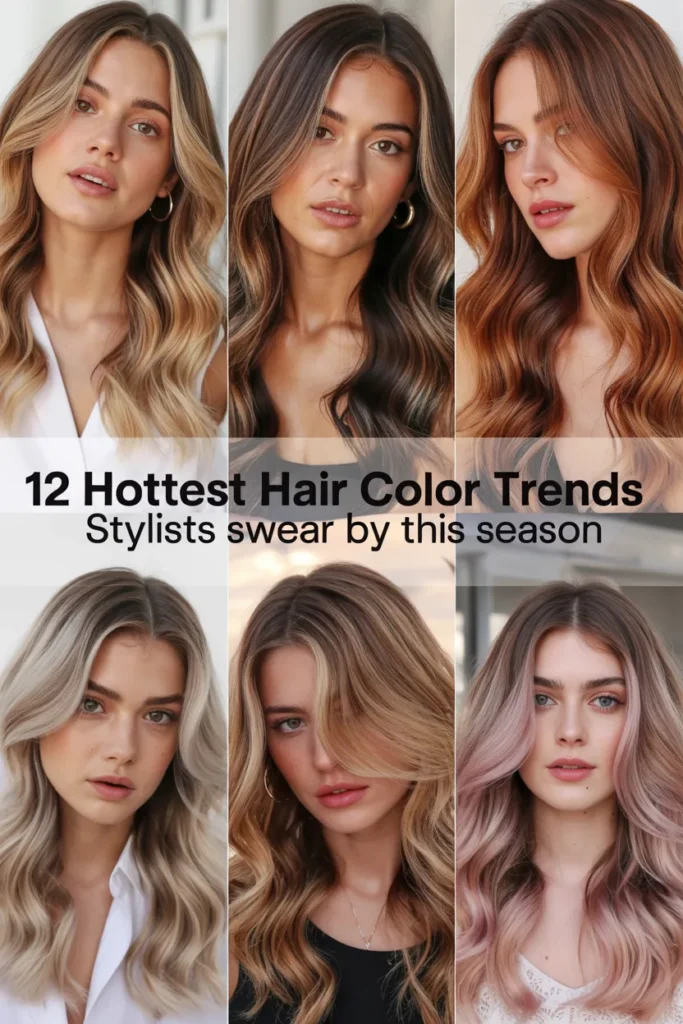
The Hottest Hair Color Trends
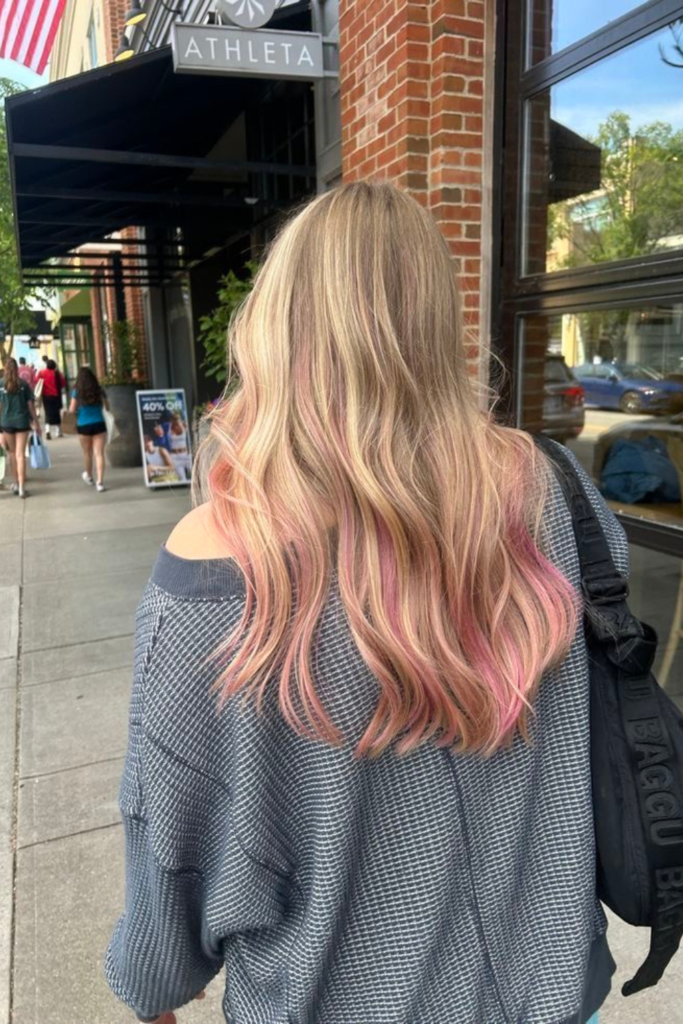
Right now, it’s less about extreme transformations and more about shades that look expensive without needing constant salon visits. From warm blondes to rich brunettes and subtle creative tones, these trends are designed to grow out better and suit real life.
What I personally like is that most of these colors focus on dimension. According to industry reports, over 65% of salon clients now ask for low-maintenance color, which explains why blended tones and soft transitions are everywhere.
Key Takeaways
- Soft, blended colors are replacing harsh contrasts
- Warm tones are trending more than cool shades
- Low-maintenance hair color is a top priority in 2026
- Dimensional coloring adds depth and movement
- Natural-looking finishes are more in demand than bold blocks
Warm Coppers and Ginger Glows
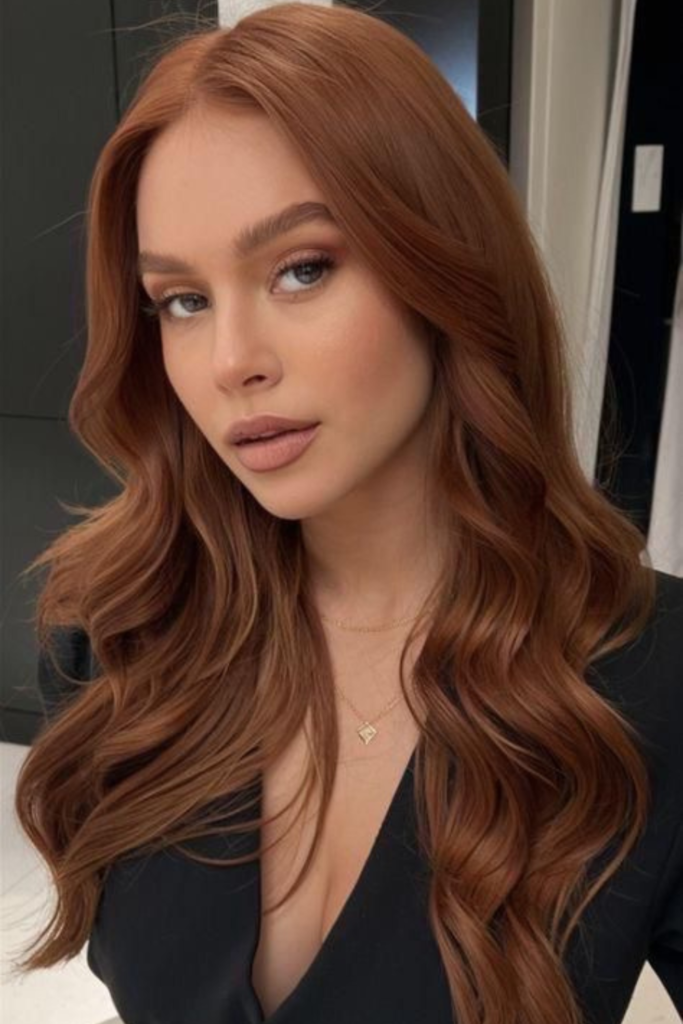
From what I’ve seen, copper shades are not going anywhere, but they feel more toned down this year. Instead of bright orange hues, I’m noticing softer ginger and golden copper shades that add warmth without looking too bold.
These tones work really well across different skin tones because they reflect light and instantly make the face look brighter. I’ve tried a warmer tone myself, and the glow it gives is very noticeable even in natural light.
Pro tip: I always recommend using a color-depositing conditioner once a week because copper fades faster than most shades due to smaller pigment molecules.
Buttery and Champagne Blondes
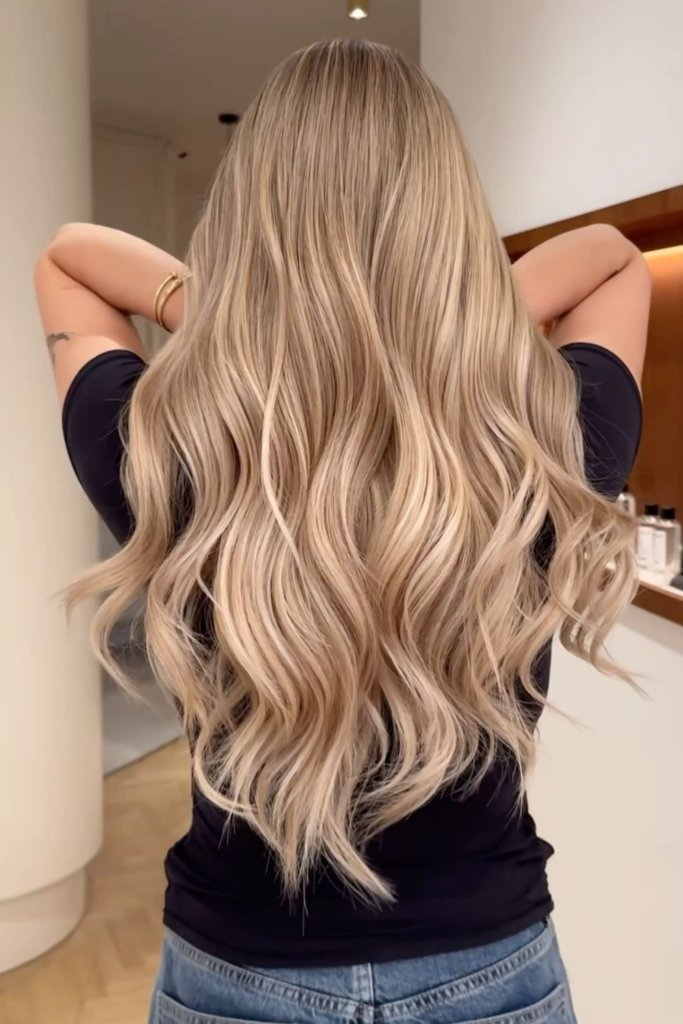
Blonde trends have clearly shifted. I used to see icy platinum everywhere, but now buttery and champagne tones feel more practical and flattering. They look softer and don’t wash out the skin.
What I like most is how these shades grow out naturally without harsh roots. Studies in salon behavior show that warmer blondes require 30% fewer touch-ups compared to icy tones.
Pro tip: I mix a little purple shampoo with regular conditioner to keep the tone balanced without removing the warmth completely.
Expensive Brunette and Mocha Mousse
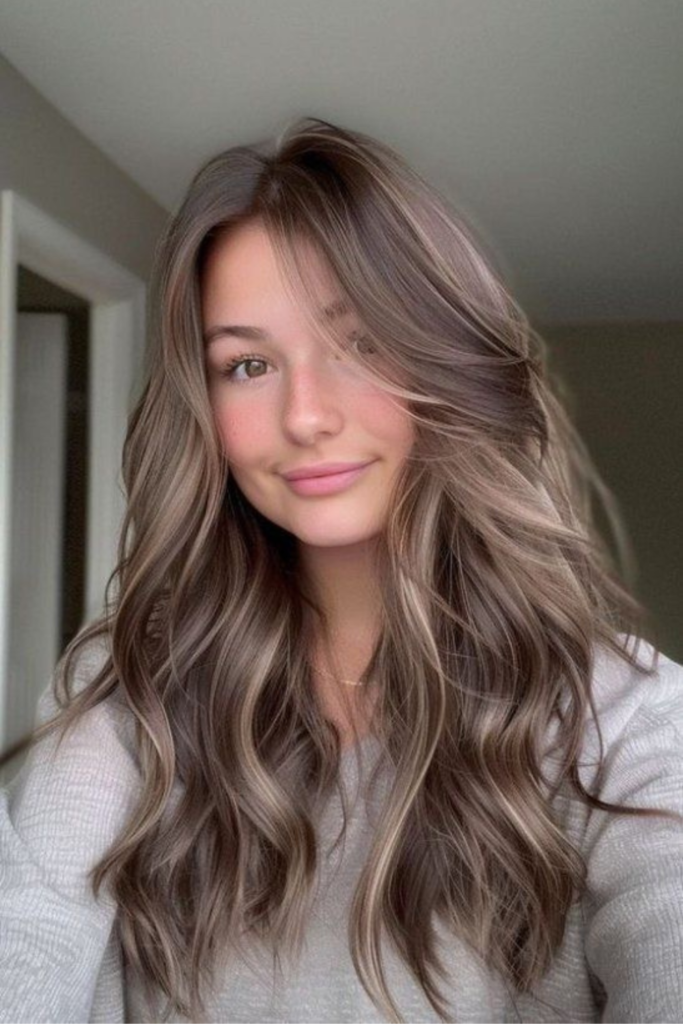
Brunette is no longer basic—it’s actually one of the most requested looks right now. I’ve noticed more people asking for glossy mocha, chocolate, and espresso tones that look rich and polished.
Adding dimension through lowlights or balayage makes a big difference. Flat color can look dull, but layered tones reflect light better and create movement.
Pro tip: I always suggest a gloss treatment every 6–8 weeks because it boosts shine and helps the color last longer.
Natural Beauty and Grey Blending
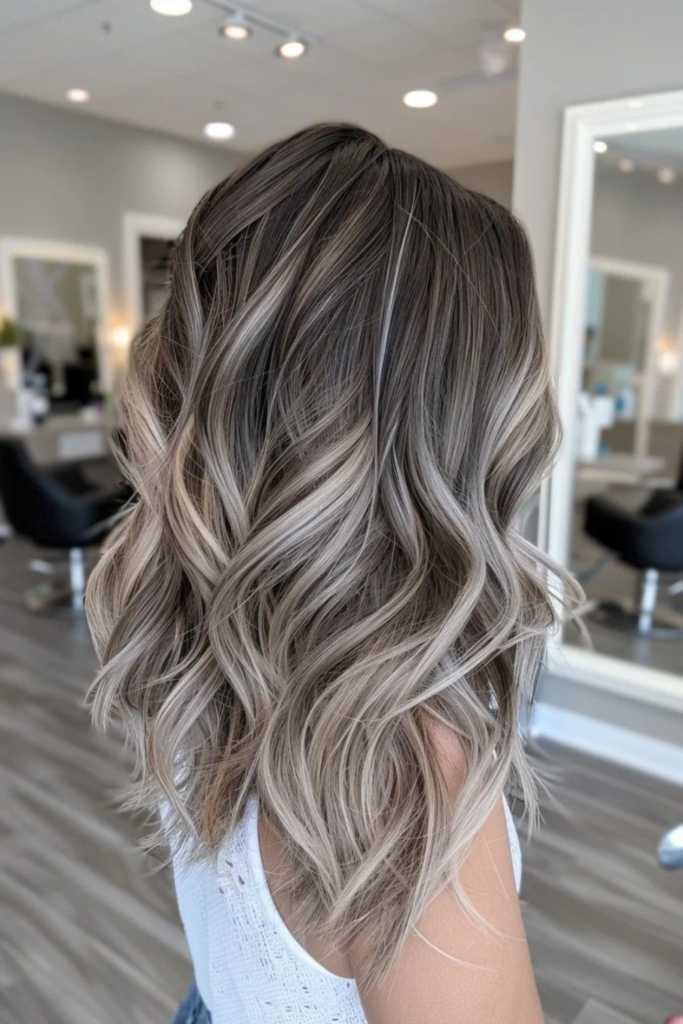
I’ve seen a big shift toward embracing natural grey instead of covering it completely. Grey blending is becoming popular because it looks softer and requires less upkeep.
Instead of full coverage, stylists now mix highlights and lowlights to blend greys naturally. It creates a more balanced look that doesn’t show harsh regrowth lines.
Pro tip: I avoid heavy oils on grey hair because they can weigh it down. A lightweight serum works better to smooth texture.
Color-Melting (The New Balayage)
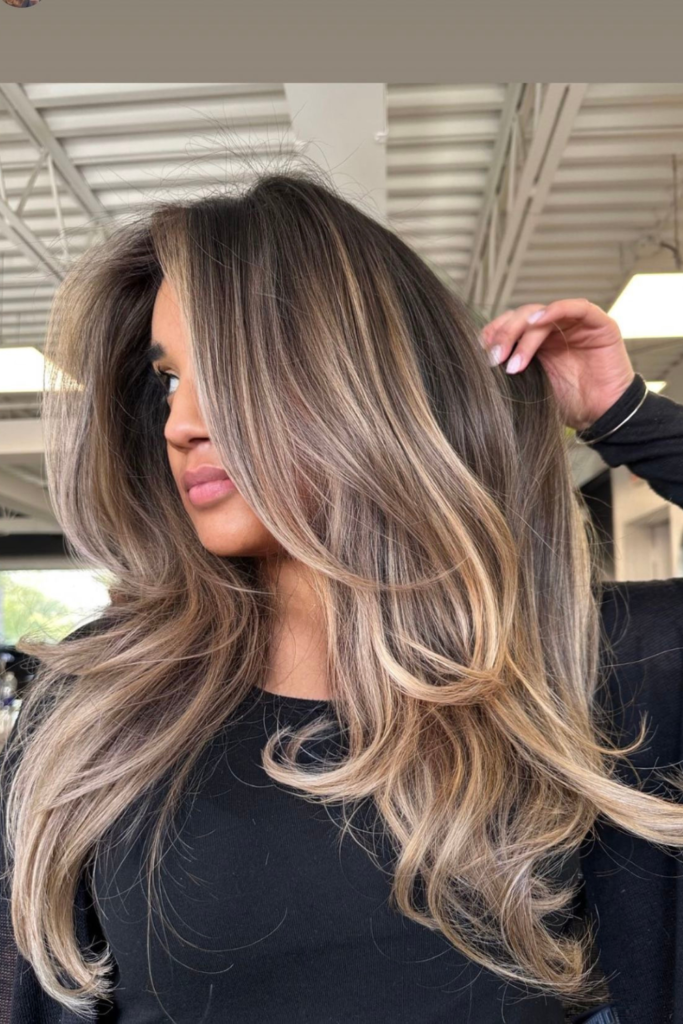
Color melting is one trend I find really practical. It creates a smooth transition from roots to ends without any visible lines, which makes the hair look naturally blended.
This technique is especially helpful if you want a change but don’t want high maintenance. It grows out evenly and doesn’t need frequent touch-ups.
Pro tip: I always suggest showing your stylist clear reference photos for roots, mid-lengths, and ends so they can match the blend properly.
Metallics and Soft Futuristic Tones
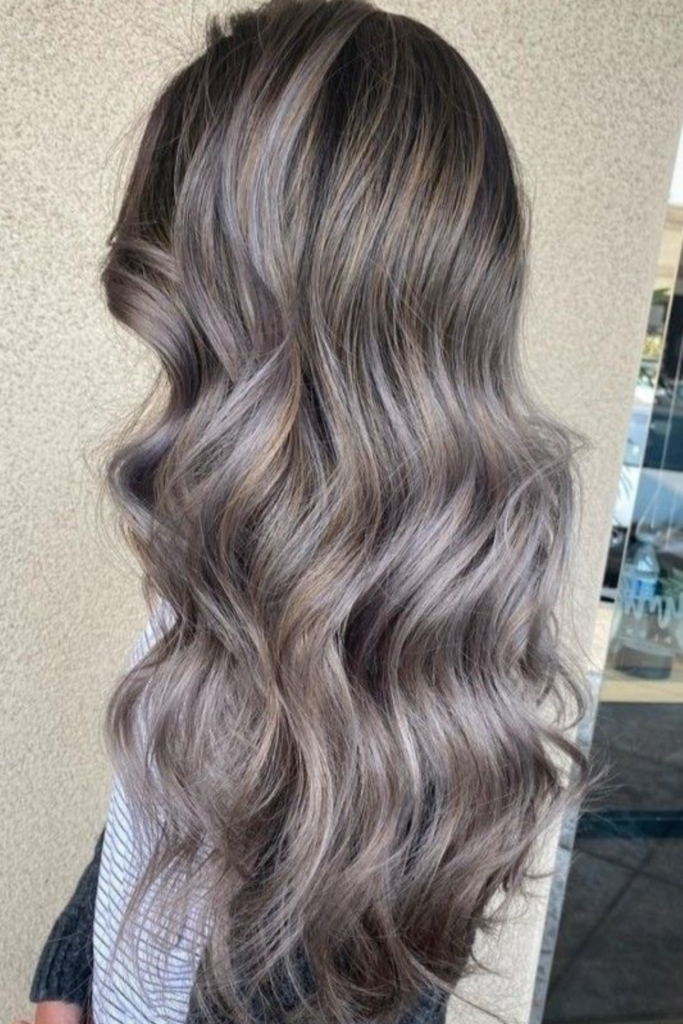
For something a bit different, I’ve noticed soft metallic tones gaining attention. Shades like silver, lavender, and muted teal give a modern look without being too loud.
These colors are more wearable now because they are blended into natural bases instead of being applied as solid colors.
Pro tip: I wash my hair with lukewarm water because hot water fades these tones much faster.
Bronde
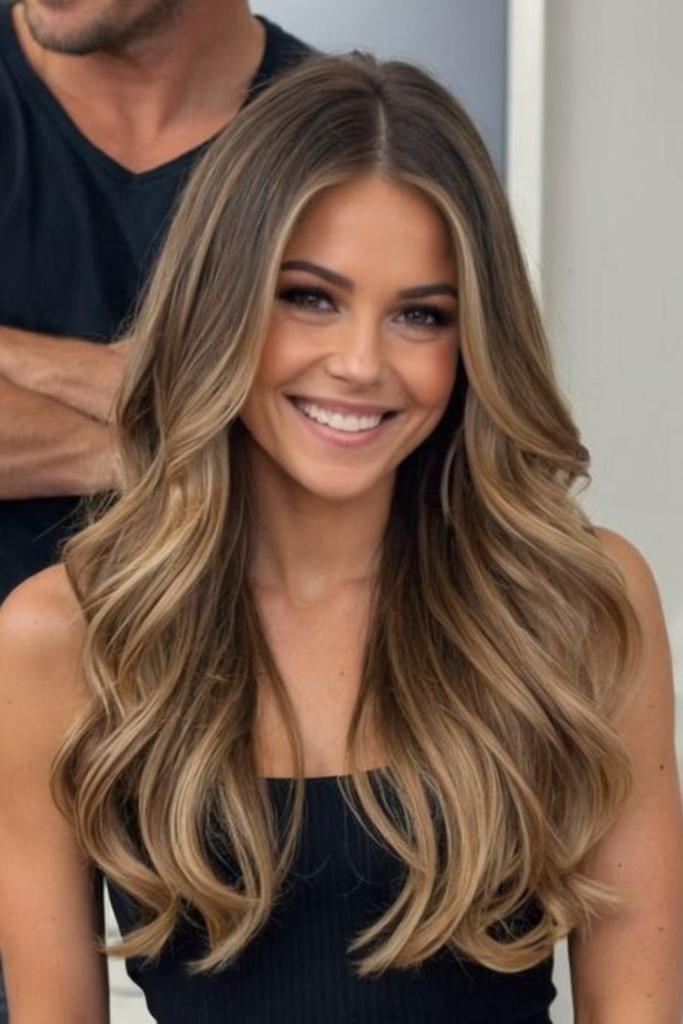
Bronde is one of the easiest shades to maintain, and I understand why it stays popular. It sits between blonde and brunette, giving both depth and brightness.
This color works really well if you’re transitioning between light and dark hair. It also suits most skin tones because of its balanced tone.
Pro tip: I prefer keeping the roots slightly darker because it helps the color grow out naturally and adds structure to the face.
Burgundy Undertones and Rich Reds
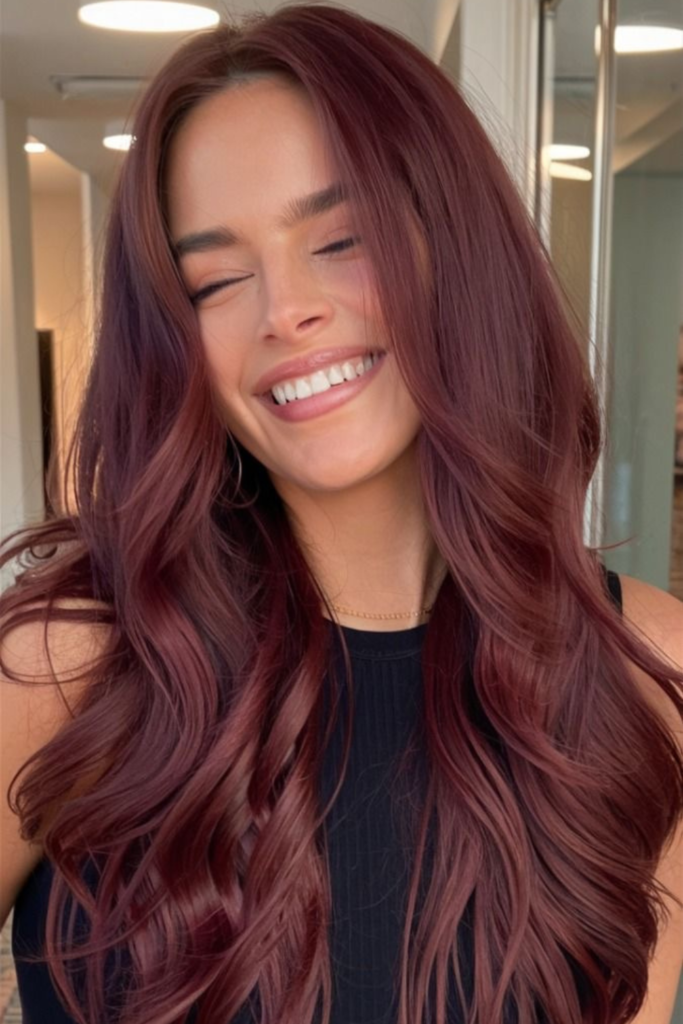
Deep reds are making a strong comeback, especially shades like burgundy and wine tones. I’ve noticed these colors look especially good on warmer and deeper skin tones.
They add richness without looking too bright, which makes them more wearable for everyday looks.
Pro tip: I focus shampoo mainly on the scalp because red pigments fade quickly, and this helps preserve the color longer.
Root Smudge and Lived-In Color
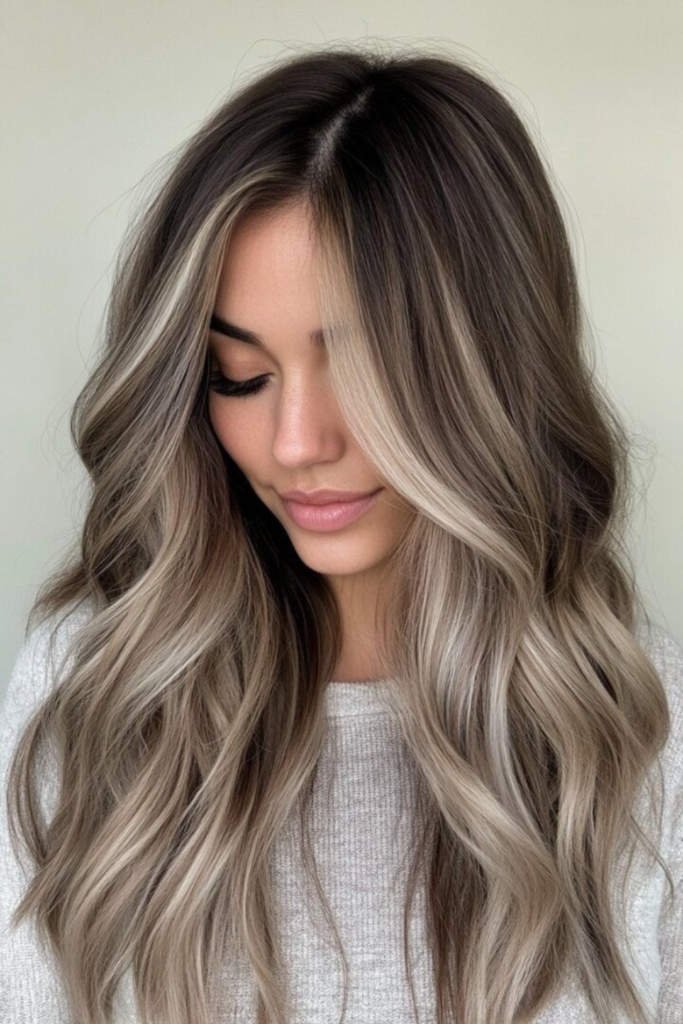
This is one of my favorite techniques because it makes hair look effortless. Root smudging softens the contrast between natural roots and colored lengths.
It creates that slightly grown-out look, but in a polished way. This technique also reduces the need for frequent salon visits.
Pro tip: I usually go for a root shade that is slightly darker than my base to create a more natural blend.
Soft Pastels and Jelly Fantasy Shades
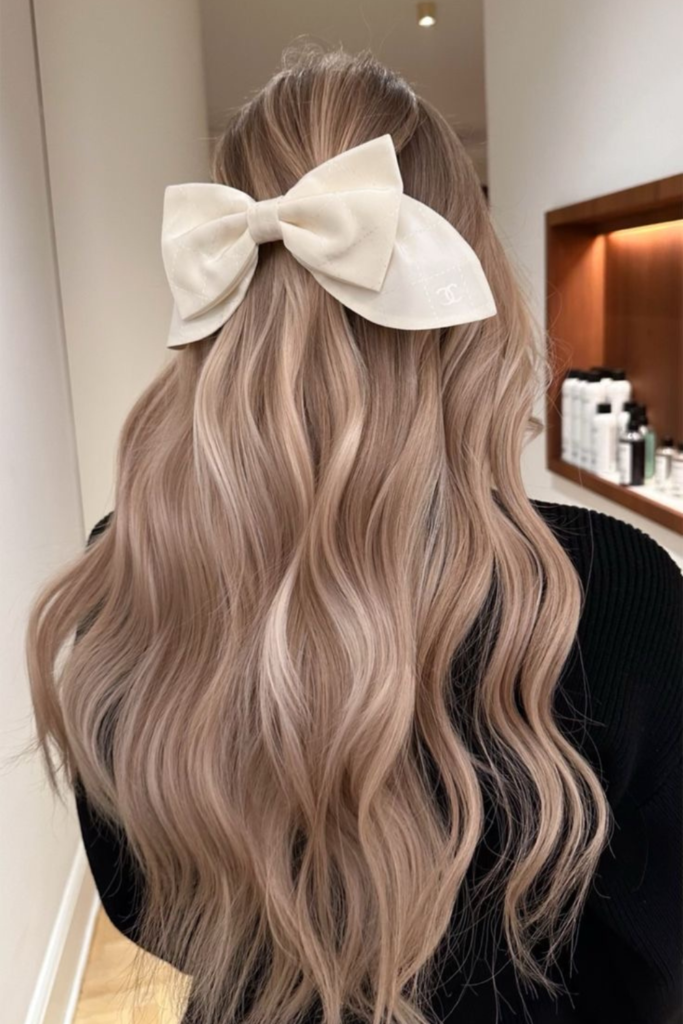
Pastels are still trending, but they are much softer now. Instead of full pastel hair, I see more subtle placements like ends or hidden sections.
These shades add a fun element without being overwhelming, which makes them easier to try.
Pro tip: I always make sure the base is neutral before applying pastel colors because uneven tones can affect the final result.
Smoked Suede Brunette
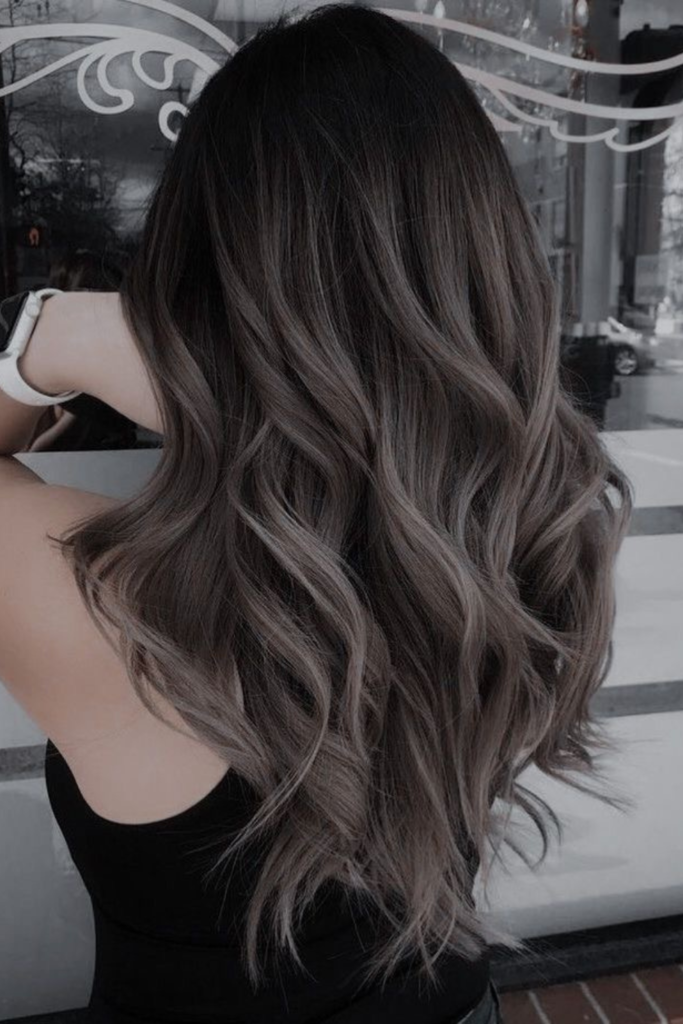
This is a cooler take on brunette that looks very refined. It has a soft grey undertone, which gives a muted and modern finish.
I like this option for anyone who wants a change without going lighter. It keeps the depth while adding a slight edge.
Pro tip: I avoid box dyes for this look because they can turn greenish. Professional toning works much better.
Earth-Inspired Pastels
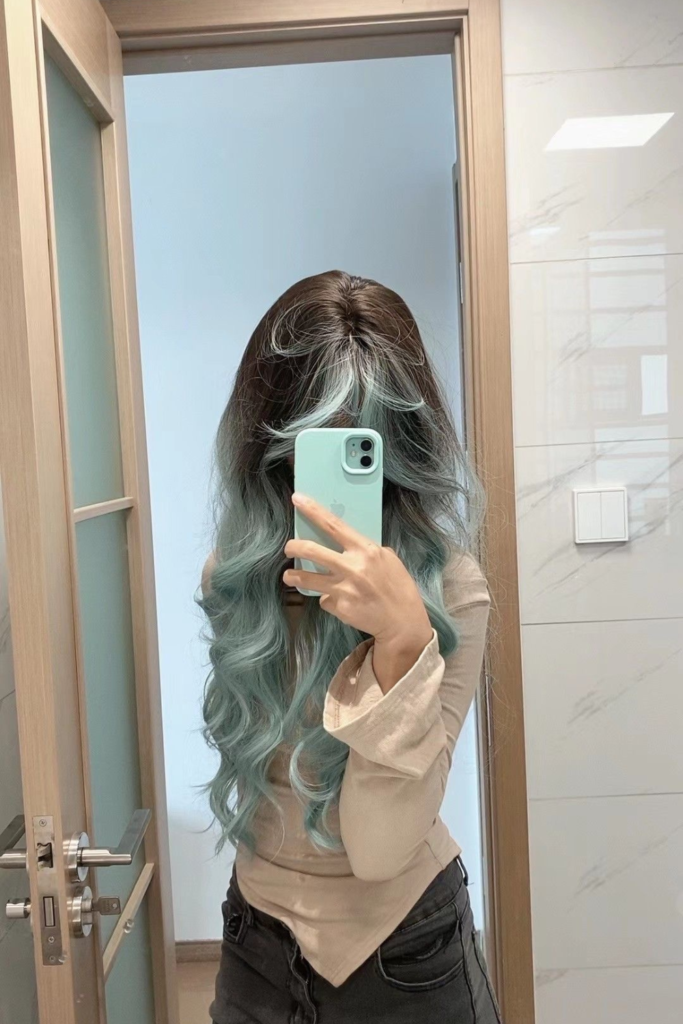
Nature-inspired shades are becoming more popular, and I find them easier to wear compared to bright colors. Think muted greens, clay tones, and soft blues.
These colors feel subtle but still unique, making them a good choice if you want something different without going too bold.
Pro tip: I use gentle shampoos because harsh formulas can strip these delicate tones quickly.
FAQ,s
What are the Hottest Hair Color Trends Stylists are recommending right now?
From what I’ve seen, the Hottest Hair Color Trends Stylists are focusing on soft, dimensional shades like warm coppers, buttery blondes, and rich brunettes that look natural and easy to maintain.
Which hair color is easiest to maintain in 2026?
In my experience, bronde, root smudge, and grey blending are the easiest because they grow out smoothly and don’t need frequent touch-ups.
Are warm tones better than cool tones now?
Yes, I’ve noticed warm tones are trending more because they look softer on the skin and require less upkeep compared to icy or cool shades.
How often should I touch up my hair color?
I usually recommend every 6–8 weeks, but low-maintenance styles like color melting can last even longer without looking uneven.
Is balayage still trending in 2026?
Balayage is still around, but I see more people choosing color melting since it gives a more seamless and natural blend.
What hair color makes hair look thicker?
From what I’ve observed, dimensional colors with highlights and lowlights create depth, which makes hair appear fuller.
Do copper shades suit all skin tones?
Yes, but I always suggest adjusting the tone. Warmer coppers work best on warm undertones, while softer auburn suits neutral tones.
Why do red hair colors fade so fast?
Red pigments are smaller, so they wash out quicker. That’s why I always suggest gentle washing routines.
Can I achieve these trends at home?
Honestly, I don’t recommend it for complex styles like color melting or metallic tones. Professional application gives better results.
What is the most natural-looking hair color trend?
Grey blending and soft brunettes look the most natural because they work with your base color instead of covering it completely.
Are pastel hair colors hard to maintain?
Yes, in my experience, pastels fade quickly and need a properly toned base to look even.
What is bronde hair color exactly?
Bronde is a mix of blonde and brunette. I like it because it gives brightness without losing depth.
Does hair color damage hair?
Any chemical process can cause damage, but I’ve found that proper care and treatments can reduce it significantly.
How can I make my hair color last longer?
I always use sulfate-free shampoo and avoid hot water since heat fades color faster.
Which hair color suits dark hair best?
Rich brunettes, burgundy tones, and subtle highlights work best on dark hair without heavy bleaching.
What is root smudging?
Root smudging blends your natural roots with colored hair. I like it because it removes harsh lines and looks more natural.
Are metallic hair colors wearable?
Yes, but I’ve noticed softer metallic tones are more practical than bold, solid colors.
How do I choose the right hair color for my skin tone?
I usually match undertones—warm tones for warm skin and cooler shades for cool undertones.
What is the biggest hair color trend shift in 2026?
The biggest shift I’ve noticed is toward low-maintenance, natural-looking colors instead of high-contrast styles.
Can I switch between these trends easily?
Yes, most of these trends are designed to blend well, so transitioning between them is much easier than before.