How to Dress When You Have No Waist: Easy Styling Tricks That Actually Work
Outfits
Introduction
When I first started learning How to Dress When You Have No Waist, I realized it’s not about “fixing” anything. It’s simply about understanding proportions and using clothes to create shape. A straight or rectangle body type is actually very common—studies in fashion design show a large percentage of women fall into this category.
In this guide, I’m sharing exactly what has worked for me and what stylists consistently recommend. The goal is not to force curves, but to use smart styling tricks that visually define the waist in seconds.
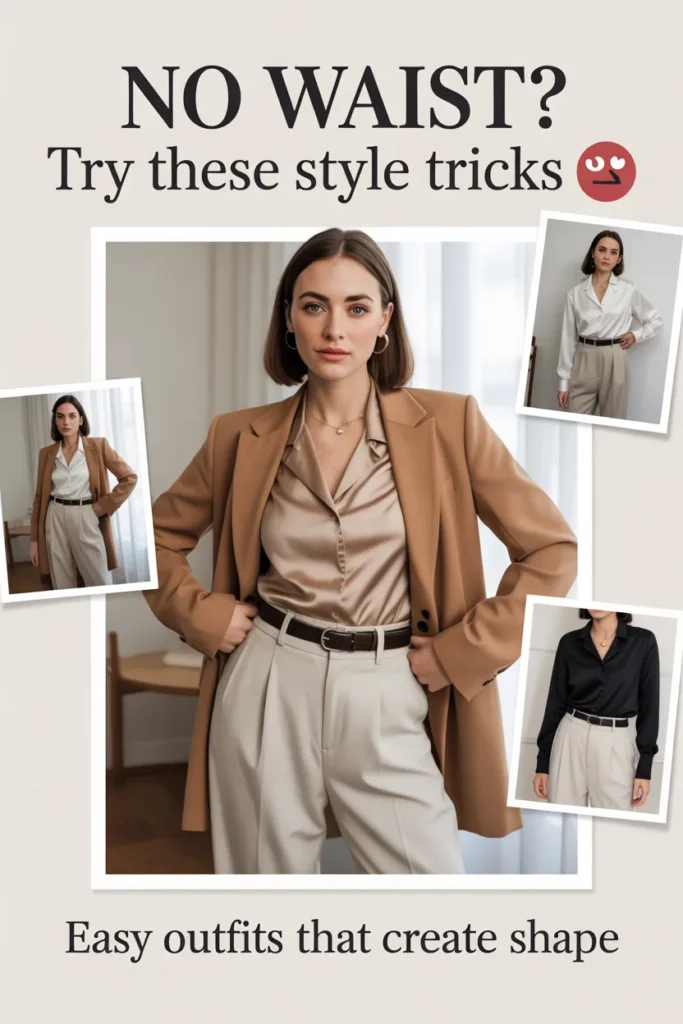
Key Takeaways
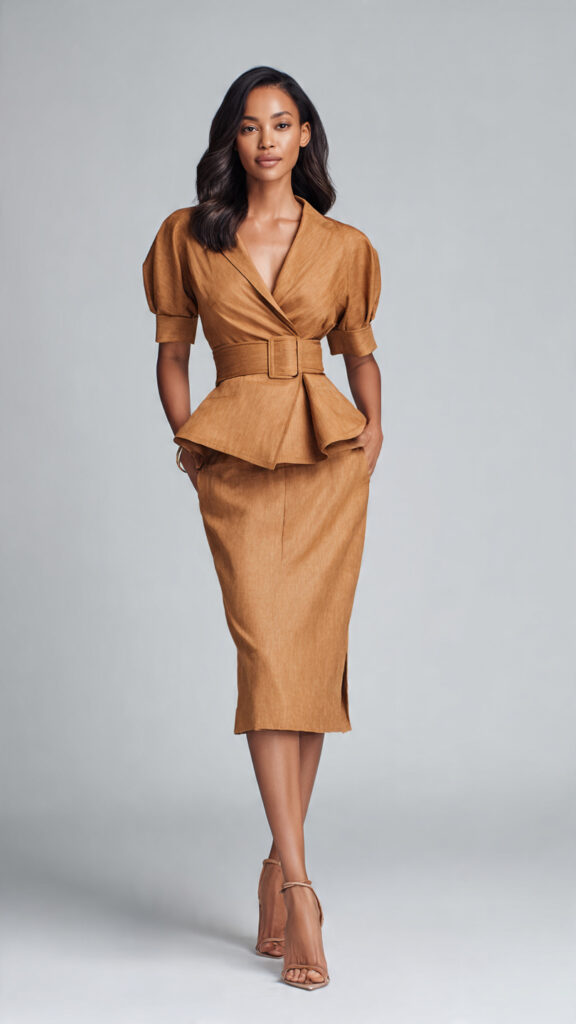
I always focus on creating contrast between the top and bottom to shape my silhouette
High-waisted pieces and tucking techniques instantly define the midsection
Fabrics, cuts, and small details like ruching or belts make a huge difference
Avoiding shapeless outfits is just as important as choosing the right ones
Simple styling tweaks can completely change how an outfit looks on a straight body
The Wrap Dress Is Your Starting Point
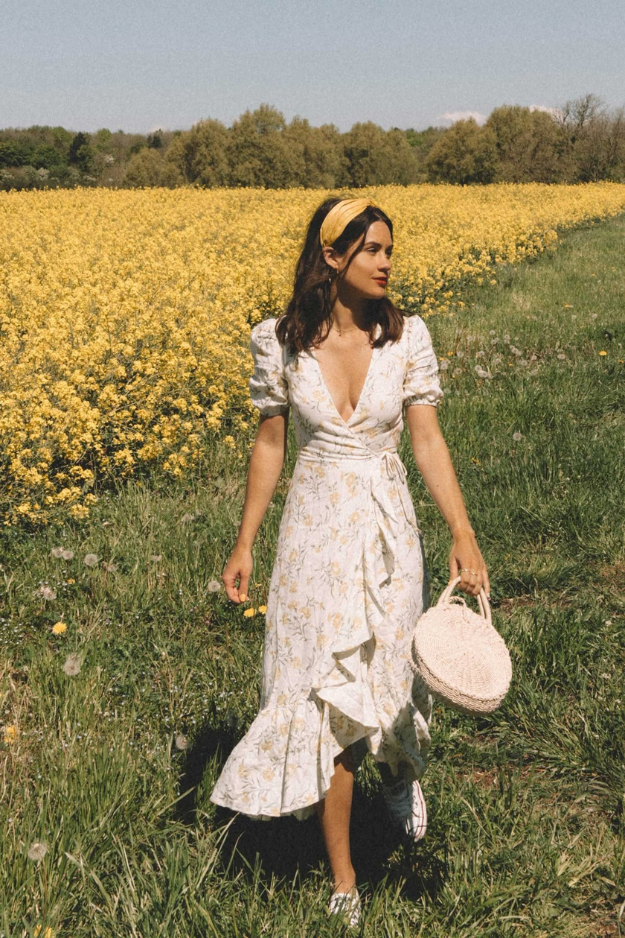
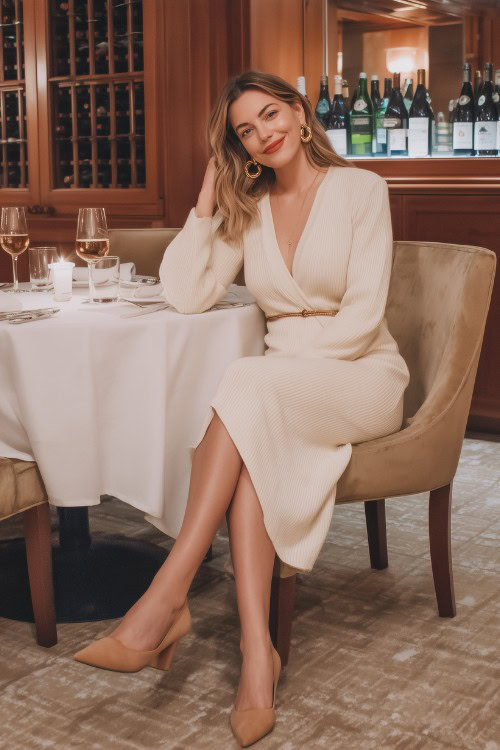
I’ve noticed that a wrap dress is one of the easiest ways to create shape without trying too hard. The way it crosses over the body naturally pulls everything inward, which gives that waist definition effect instantly.
From what I’ve seen, this style works on almost every body type, but it especially benefits straight figures because it adds curves where there aren’t many.
Pro tip: I always go for a fixed wrap instead of a tie version because it stays in place all day and looks more structured.
Tuck Everything In — At Least Partially
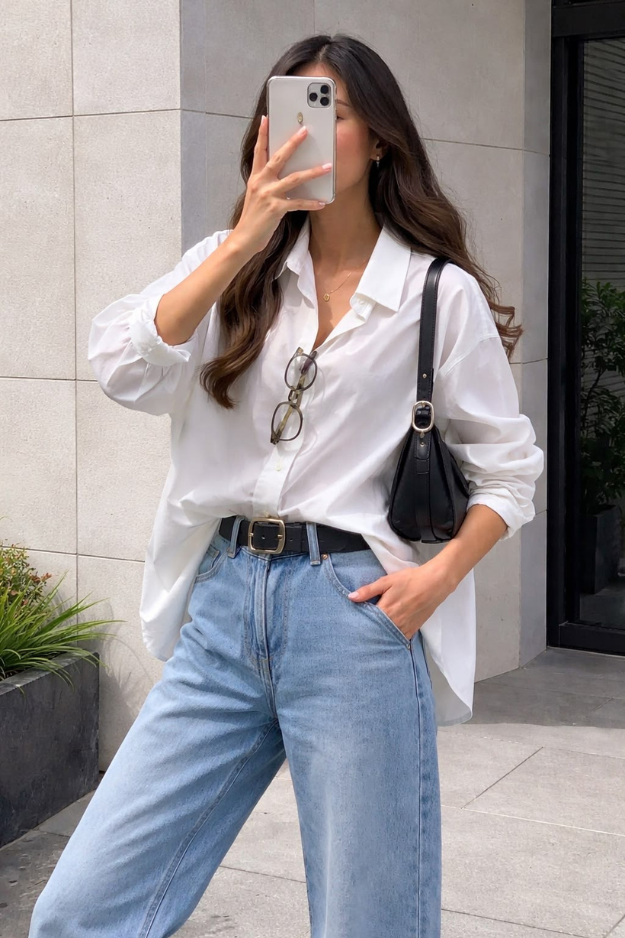
One trick I use all the time is the front tuck. Even a small tuck at the front can completely change how an outfit looks. It breaks the straight line of the torso and adds shape without any effort.
In my experience, this is one of the fastest styling fixes and doesn’t cost anything at all.
Pro tip: I switch between a full tuck for a polished look and a partial tuck when I want something more relaxed but still flattering.
Wear High-Waisted Everything
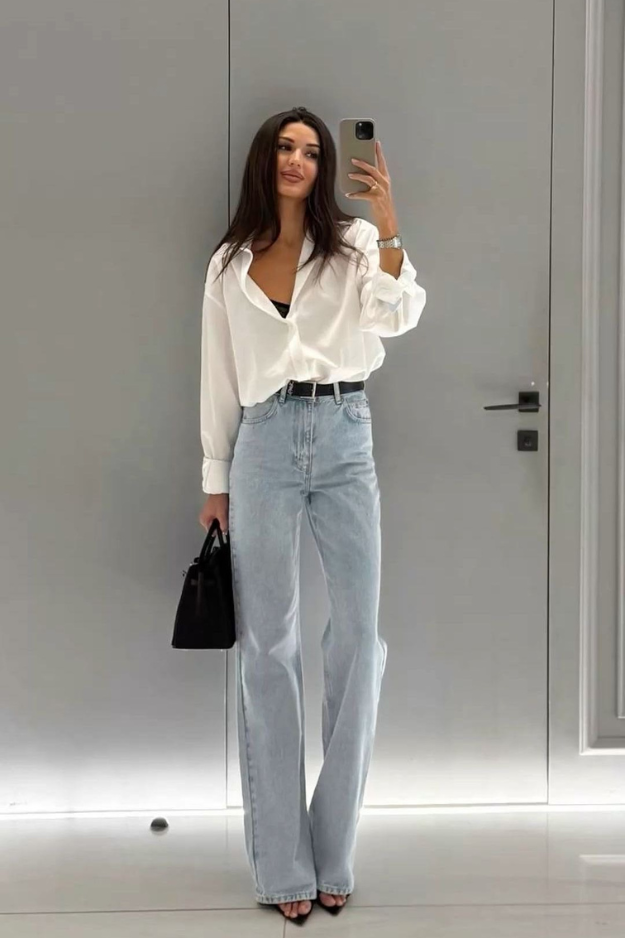
I’ve learned that low-rise pieces don’t do anything for a straight body. But high-waisted jeans, skirts, or trousers instantly create a defined area around the waist.
Fashion experts often point out that high-rise styles visually shorten the torso and highlight the narrowest part, which helps create curves.
Pro tip: I always make sure the waistband is visible by pairing it with a tucked or slightly cropped top.
Add a Belt — Even When the Outfit Doesn’t “Need” One
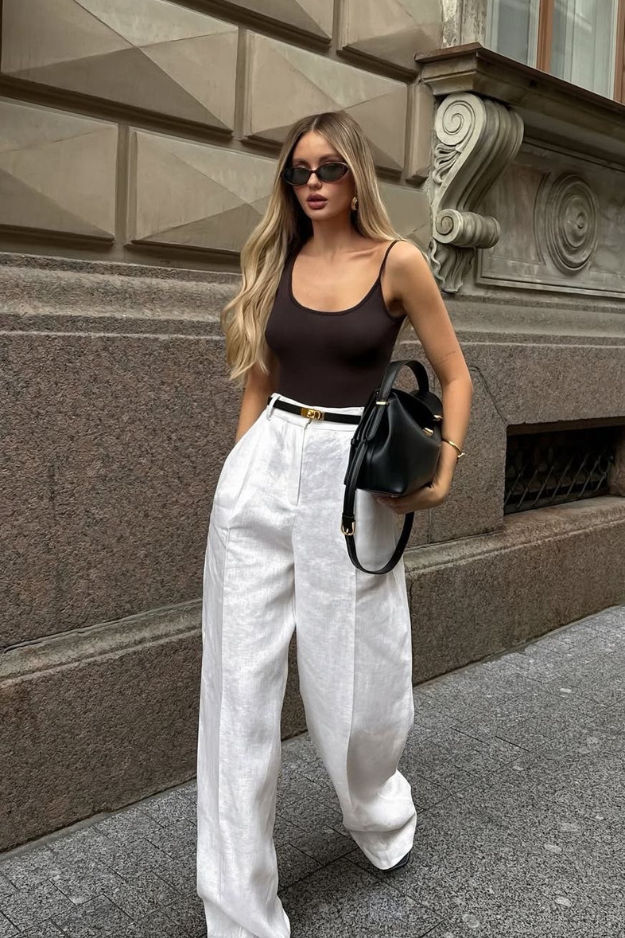
Adding a belt is something I underestimated before, but it really works. Even on loose outfits, a belt creates a clear line at the waist and adds instant structure.
I’ve found that this small addition can completely transform a basic outfit into something more styled and intentional.
Pro tip: I usually stick to belts that match my outfit tones because too much contrast can make the midsection look wider.
A-Line and Fit-and-Flare Silhouettes Do the Work For You
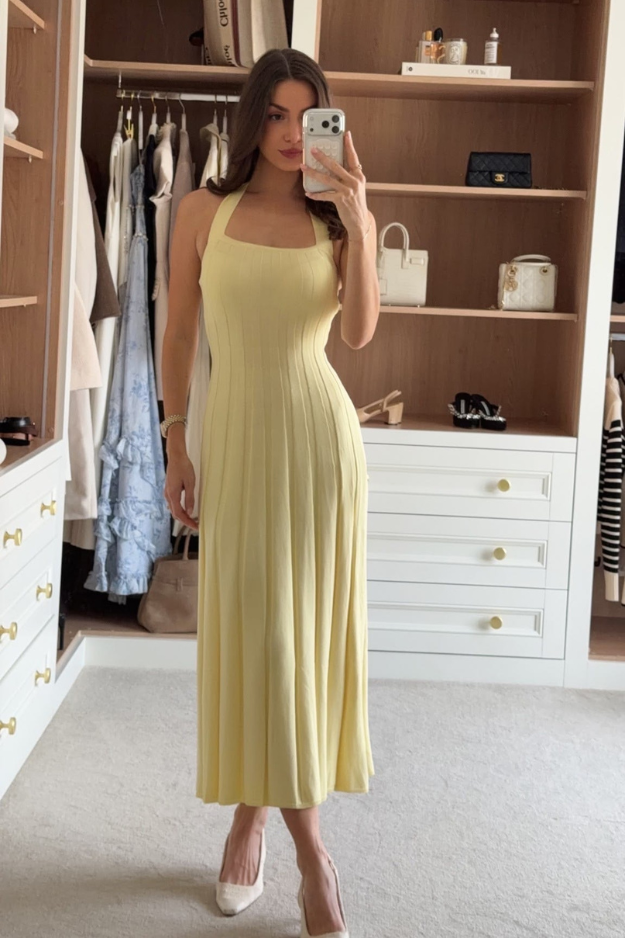
Whenever I want an easy outfit that flatters, I go for A-line or fit-and-flare styles. These designs naturally create a fitted top and a wider bottom, which gives the illusion of a waist.
This is actually one of the most recommended silhouettes by stylists for straight body types.
Pro tip: I make sure the top part fits properly because the more defined it is, the stronger the waist illusion becomes.
Choose Fabrics That Drape and Cling Slightly
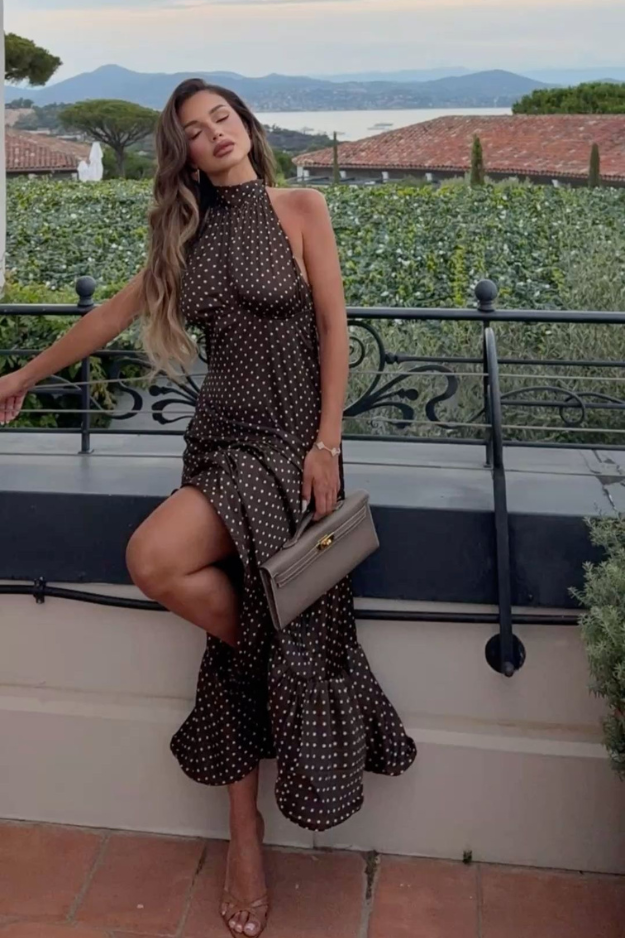
Fabric choice matters more than most people think. I’ve noticed that stiff fabrics make my body look boxy, while overly tight ones highlight everything.
The best option for me has been soft fabrics that follow the body’s natural shape, like jersey or blends that move easily.
Pro tip: I avoid thick, rigid materials for tops because they remove any natural shape from the outfit.
Peplum Tops and Ruffled Hems Are Made for You
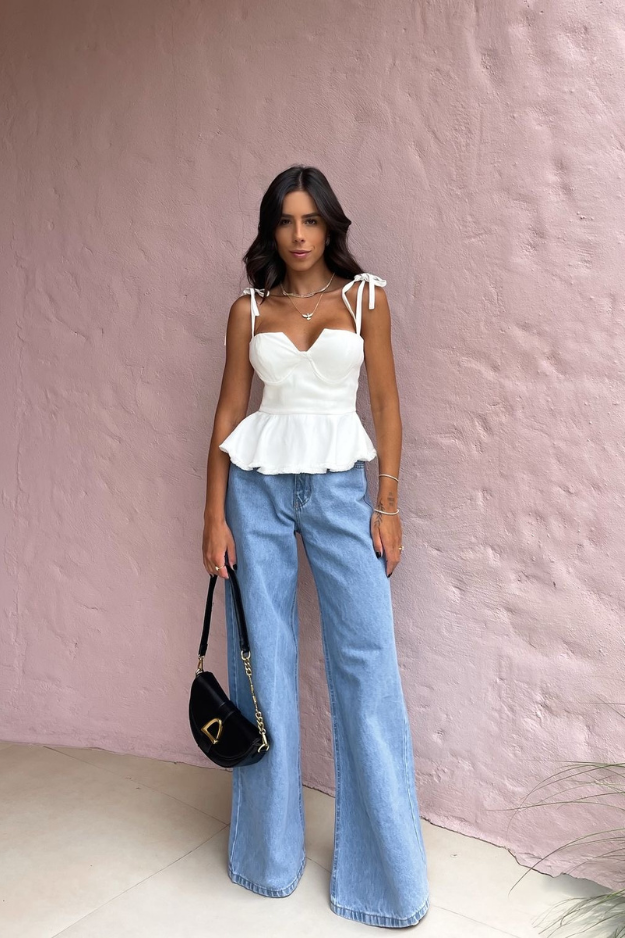
Peplum styles are something I’ve personally seen make a big difference. The slight flare at the waist creates the illusion of curves and adds volume around the hips.
This small design detail works perfectly for straight figures because it builds shape visually.
Pro tip: I choose peplum tops with some structure so the flare holds its shape properly.
Vertical Details Through the Bodice
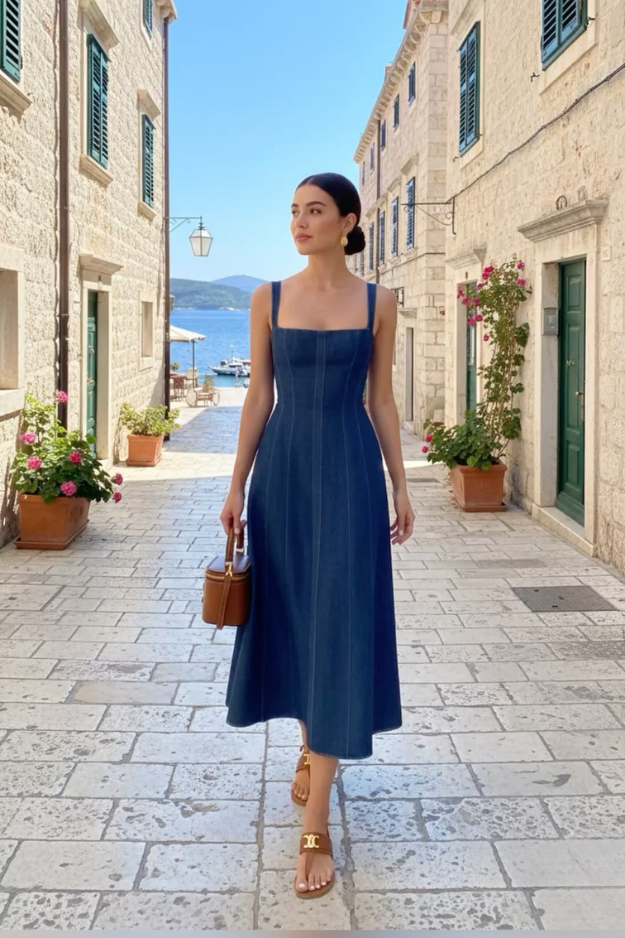
I’ve found that vertical elements like buttons, seams, or V-necks help a lot in creating a slimmer and longer look. These details draw attention up and down instead of side to side.
This trick is often used in fashion design to make the body appear more balanced and defined.
Pro tip: Deep V-necks are one of my favorite choices because they naturally guide the eye toward the center.
Use Color Blocking Strategically
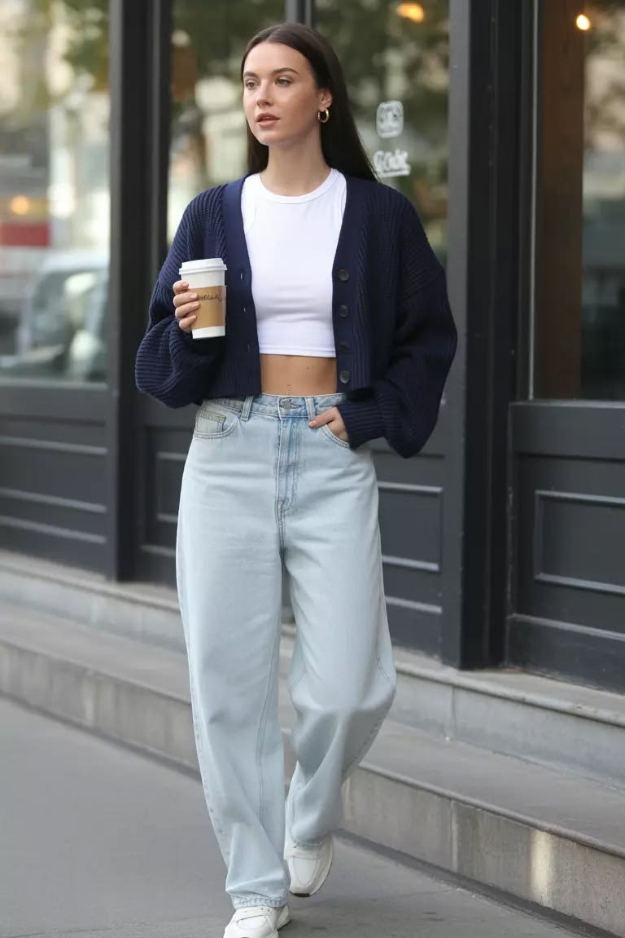
Color placement is something I didn’t pay attention to before, but it makes a noticeable difference. Darker shades on the sides and lighter tones in the center create a slimming effect.
Many “slimming dresses” actually rely on this exact technique rather than shape alone.
Pro tip: I sometimes layer a dark jacket over a light top to recreate this effect without buying anything new.
Ruching Is Your Best Friend
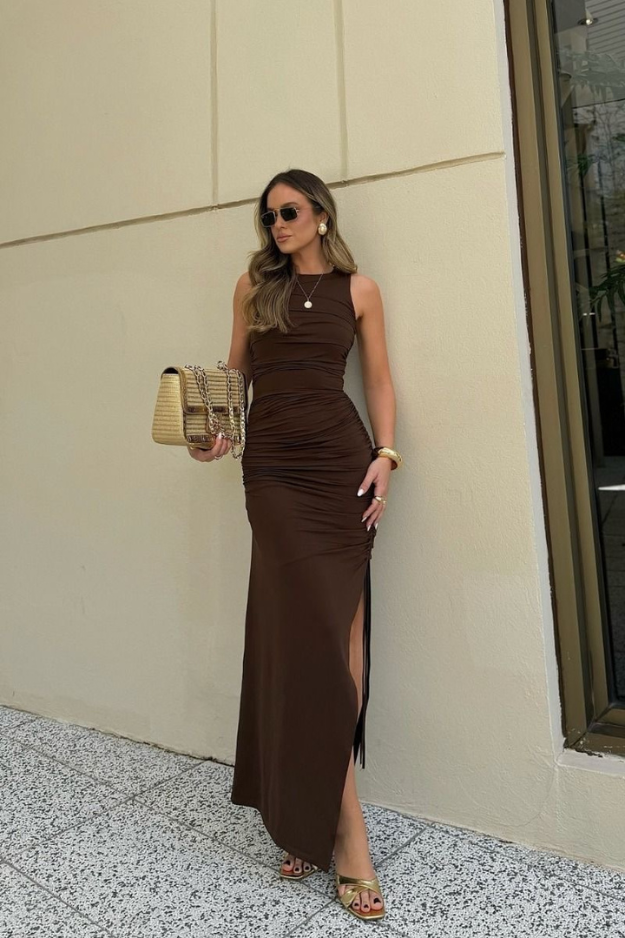
Ruching is one detail I always look for now. The gathered fabric adds texture and helps break up the straight shape of the torso.
It also creates the illusion of curves without needing tight or structured clothing.
Pro tip: I prefer ruching around the waist area because it draws attention exactly where I want more definition.
Avoid Boxy, Shapeless, Head-to-Toe Layers
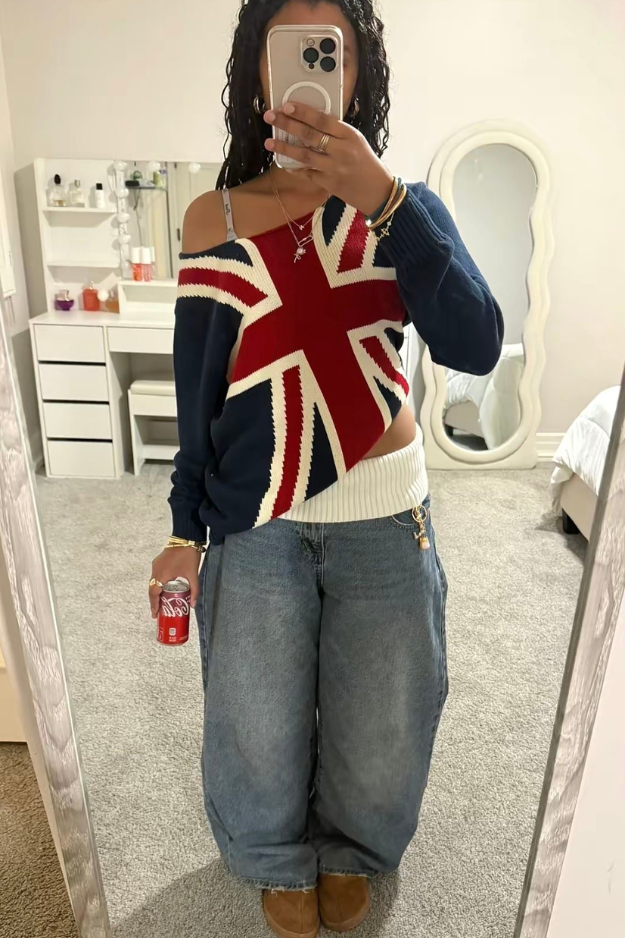
One mistake I used to make was wearing oversized pieces from top to bottom. It made my body look completely straight with no definition at all.
Now, I always balance loose pieces with something fitted to keep the outfit structured.
Pro tip: A structured blazer is my go-to because it adds shape instantly and works with almost everything.
Conclusion
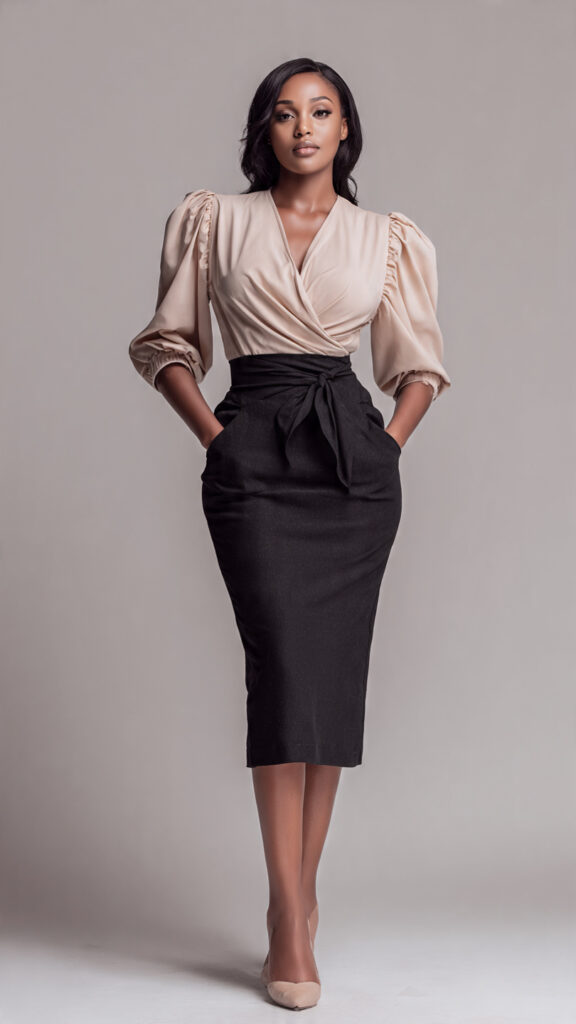
After trying different outfits and styles, I’ve realized that learning How to Dress When You Have No Waist is really about small, smart choices. You don’t need a completely new wardrobe—just a better understanding of fit, fabric, and proportion.
Even simple changes like tucking a top, adding a belt, or choosing the right silhouette can make a huge difference. Over time, I’ve seen how these small adjustments create a more balanced and flattering look without feeling forced.
The best part is that these tips are easy to apply in everyday outfits. Once I started using them consistently, getting dressed became quicker and more confident.