9 Hair Growth Tips So Good You’ll Wish You Tried Them Sooner
Outfits
I’ve struggled with slow hair growth for years, and I used to think more products would fix it. But over time, I realized real progress only comes when I focus on scalp health, nutrition, and consistent habits instead of quick fixes.
Above the Fold (Intro + Full Summary + Key Takeaways)
In this article, I’m sharing Hair Growth Tips So Good that I personally follow and trust for improving hair thickness, reducing breakage, and supporting healthy regrowth. These include rosemary oil routines, biotin and collagen support, scalp massages, clarifying buildup, stress control, and proper nutrition. I also explain why scalp condition matters more than most people think when it comes to hair growth.
If these habits are followed consistently for a few months, they can support stronger strands, less shedding, and a healthier growth cycle overall.

Key Takeaways
- Hair growth depends more on scalp health than products
- Nutrition like protein, iron, and omega-3 supports stronger roots
- Oils and supplements only work with consistency
- Stress and buildup can slow growth without you noticing
- Visible improvement usually takes 8–12 weeks or more
1. Add rosemary oil to my routine
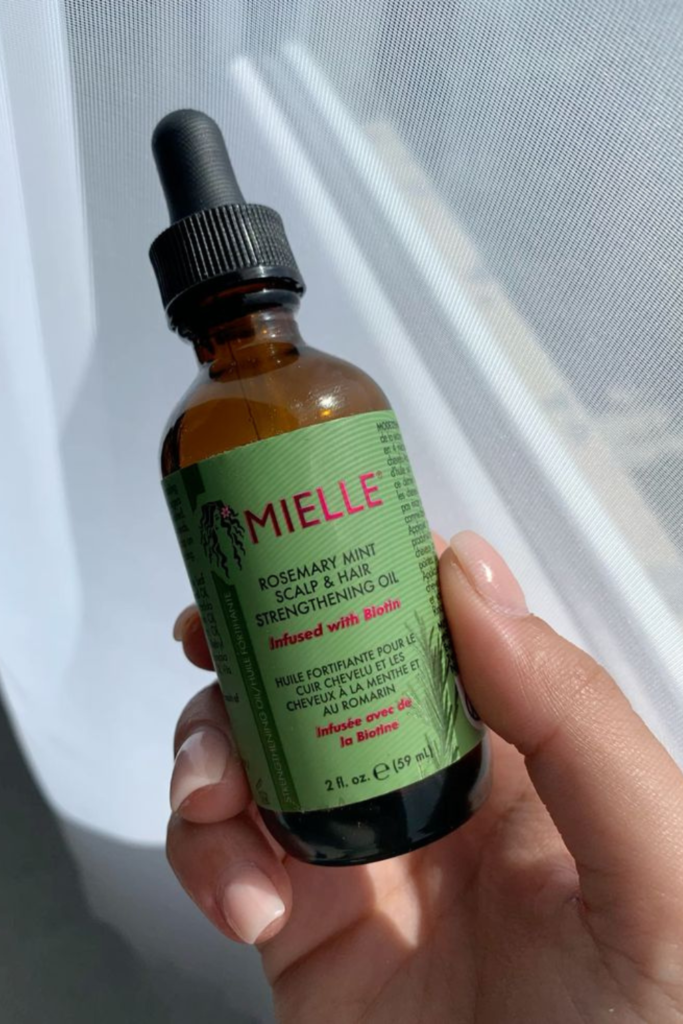
I started using rosemary oil when I wanted a natural way to support my scalp. It may help improve blood circulation, which can support healthier follicles and better growth conditions over time.
I always dilute it with a carrier oil like coconut or jojoba oil before applying it to my scalp. I massage it gently for 5–10 minutes and leave it for about 30 minutes before washing. Sometimes I leave it overnight when my scalp feels dry.
I usually repeat this 2–3 times a week. Consistency matters more than anything because results are gradual and build over time.
Pro Tip: I slightly warm the oil before applying it so it absorbs better and feels more relaxing.
2. Take biotin supplements
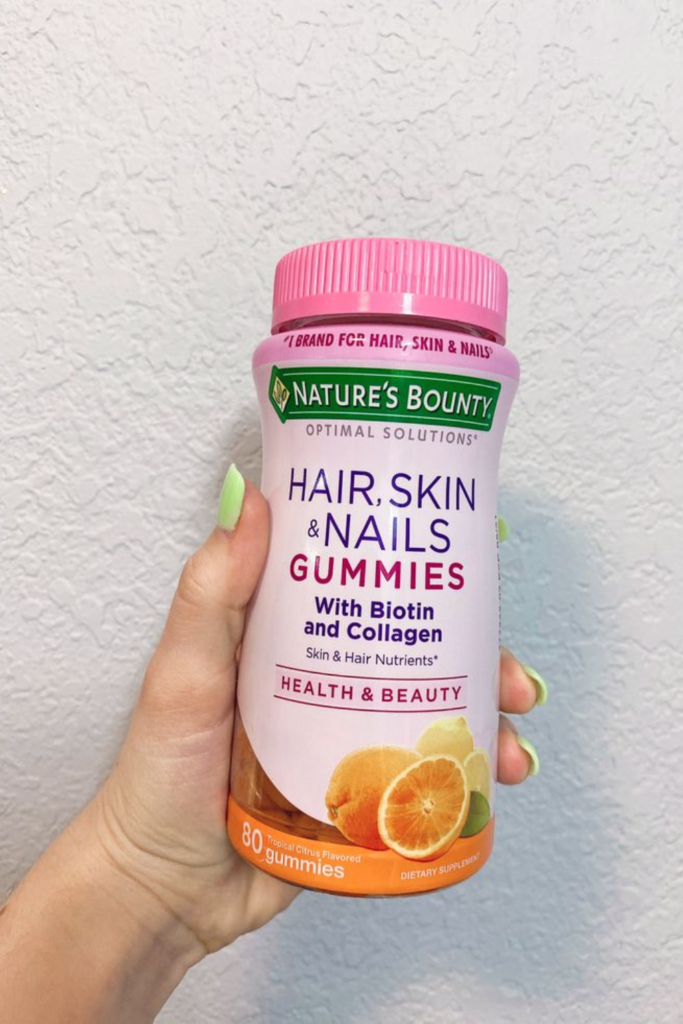
I added biotin (Vitamin B7) to my routine when I noticed weak and fragile hair. It supports keratin production, which is essential for stronger hair strands.
I take one biotin gummy daily with food. Most supplements range from 2,500–5,000 mcg, but I always follow the label instead of increasing dosage on my own.
From my experience, biotin helps more when there is a deficiency. It supports strength more than fast growth.
Pro Tip: I pair biotin with a protein-rich diet because food plays a bigger role than supplements alone.
3. Massage only if it doesn’t worsen hair fall

Scalp massage helps improve blood flow, and I’ve noticed it can make my scalp feel healthier and more active.
However, when my hair fall was heavy, I paused massages because they sometimes increased shedding. I restarted only after my scalp condition improved.
Now I massage gently using fingertips in circular motions for about 5–10 minutes, a few times a week. I avoid nails and pressure completely.
Pro Tip: I always check scalp condition first and avoid massage if there is irritation or dandruff.
4. Clarify my scalp

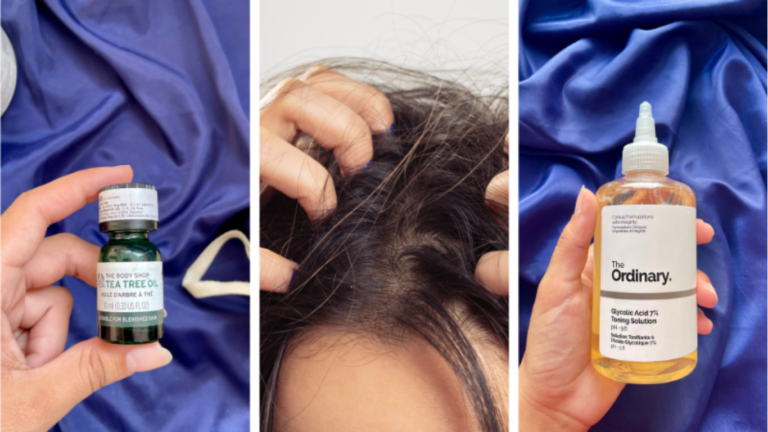
I didn’t realize how much product buildup and oil can block hair follicles until I started clarifying my scalp. Once I did, my scalp felt cleaner and lighter.
I use a clarifying shampoo once or twice a month to remove buildup. Sometimes I use a diluted apple cider vinegar rinse as a natural alternative.
After clarifying, I always use conditioner to prevent dryness.
Pro Tip: I never over-clarify because it can strip natural oils and slow down healthy growth.
5. Schedule a scalp analysis
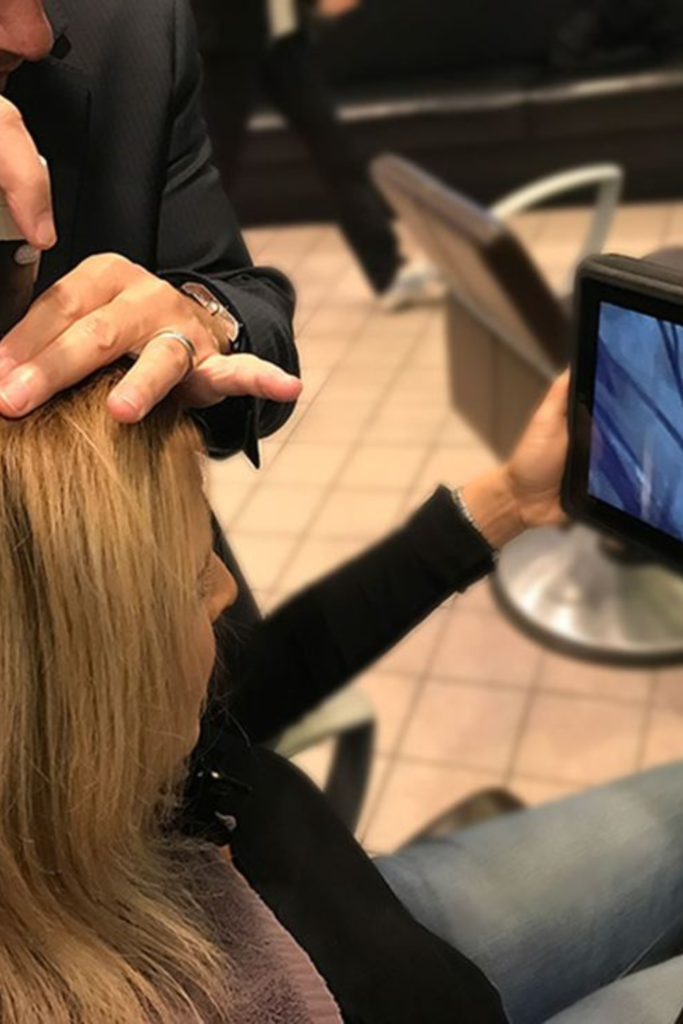
I learned that many hair problems come from the scalp, not just hair products. A scalp analysis helped me understand hidden issues like buildup and weak follicle activity.
During my analysis, my scalp was checked under magnification to study oil levels, density, and overall health. This helped me stop guessing and start following a targeted routine.
It gave me clarity on what my hair actually needed instead of constantly switching products.
Pro Tip: I follow expert recommendations consistently for at least 2–3 months before judging results.
6. Take collagen supplements
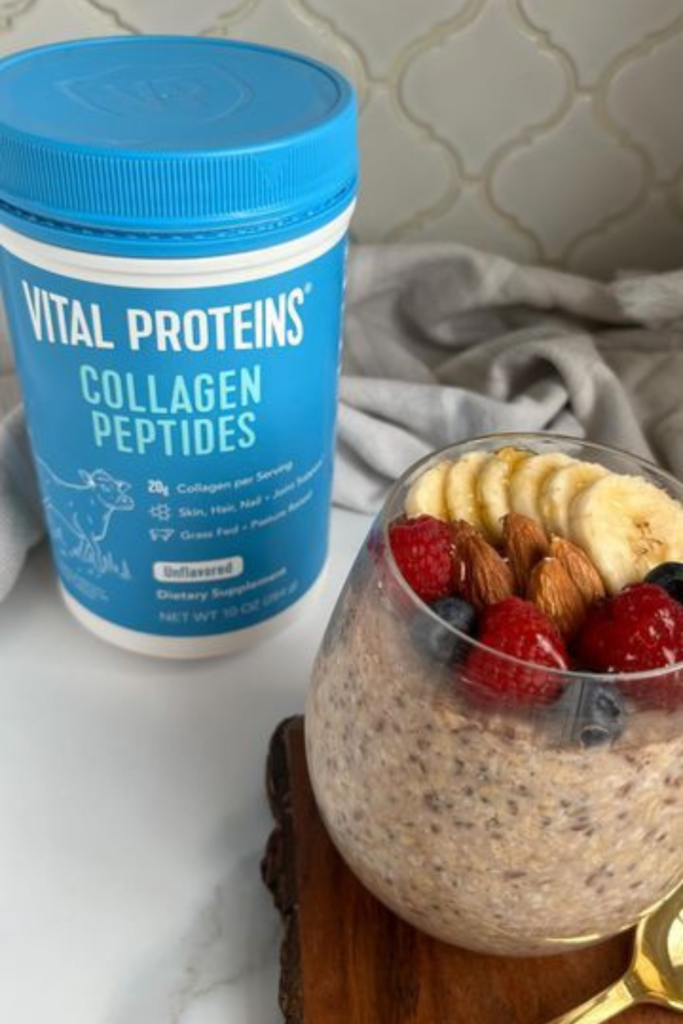
I started collagen when I noticed thinning and weaker strands. Collagen supports scalp and skin structure, which indirectly helps hair strength.
I use hydrolyzed collagen because it absorbs better. My daily intake is around 5–10 grams, mixed into drinks like water or coffee.
Consistency is the most important factor. Improvements usually take a few months to become visible.
Pro Tip: I combine collagen with vitamin C-rich foods to improve absorption and effectiveness.
7. Get the right nutrition

I realized that hair growth is strongly connected to diet. Without proper nutrients, hair becomes weak and grows slowly.
I focus on protein, iron, zinc, and omega-3 foods like eggs, lentils, spinach, nuts, and fish. These help strengthen roots and reduce hair fall.
I also make sure I drink enough water daily because hydration supports healthy hair texture.
Pro Tip: I plan my weekly meals so I consistently meet my nutritional needs for hair health.
8. Reduce stress

Stress had a major impact on my hair fall without me realizing it at first. High stress affects hormones that control the hair growth cycle.
Now I manage stress through walking, better sleep, and short daily breaks. Even small lifestyle changes helped improve my hair health over time.
I also noticed that poor sleep made my hair weaker and more prone to breakage.
Pro Tip: I avoid tight hairstyles during stressful periods to reduce unnecessary scalp tension.
9. Microneedling for the scalp
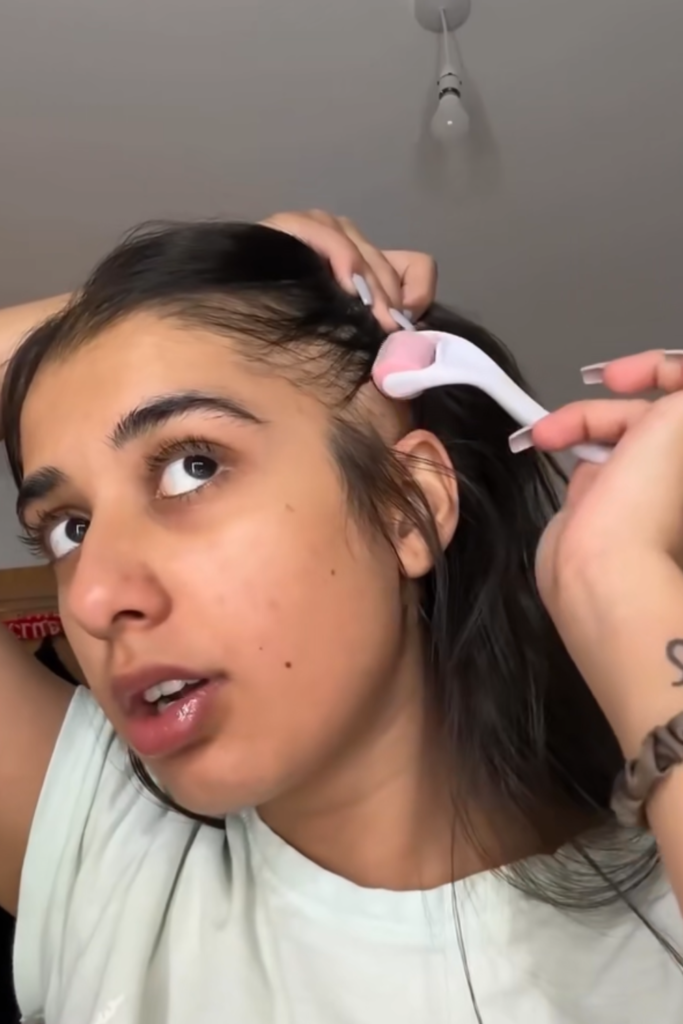
Microneedling is a technique I started carefully after learning how it works. It creates tiny micro-injuries in the scalp that may help improve absorption and stimulate healing responses.
I use a 0.5mm derma roller once a week and always sanitize it properly before and after use. I roll it gently across the scalp without applying pressure.
Aftercare is important, so I apply a calming serum or oil after treatment.
Pro Tip: I avoid microneedling if my scalp is irritated or sensitive.