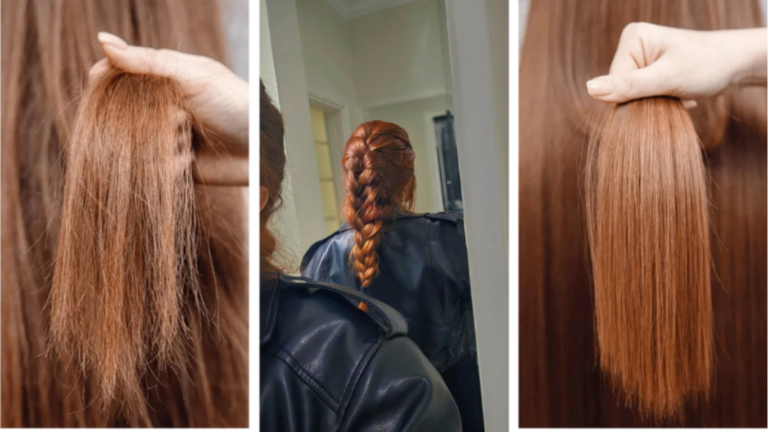
10 Best DIY Hair Oils for Faster Hair Growth That Actually Work at Home
Outfits
When I started looking for the Best DIY Hair Oils for Faster Hair Growth, I realized most store-bought oils didn’t always deliver what they promised. Many are filled with fillers or harsh ingredients that don’t suit every hair type. That’s when I switched to making my own blends at home—and honestly, the difference was noticeable within weeks.

Best DIY Hair Oils for Faster Hair Growth
In this guide, I’m sharing the exact DIY hair oils I’ve personally tested and researched. These blends are simple, effective, and backed by ingredients known to support scalp health and hair growth. From boosting circulation to reducing breakage, each oil targets a specific concern.
Key Takeaways
- DIY oils give me full control over ingredients and quality
- Certain oils like castor and rosemary are backed by studies for growth support
- Consistency matters more than quick fixes
- Scalp health directly impacts hair growth results
- Using the right oil for your hair type improves effectiveness
1. Coconut & Peppermint Scalp Reviver
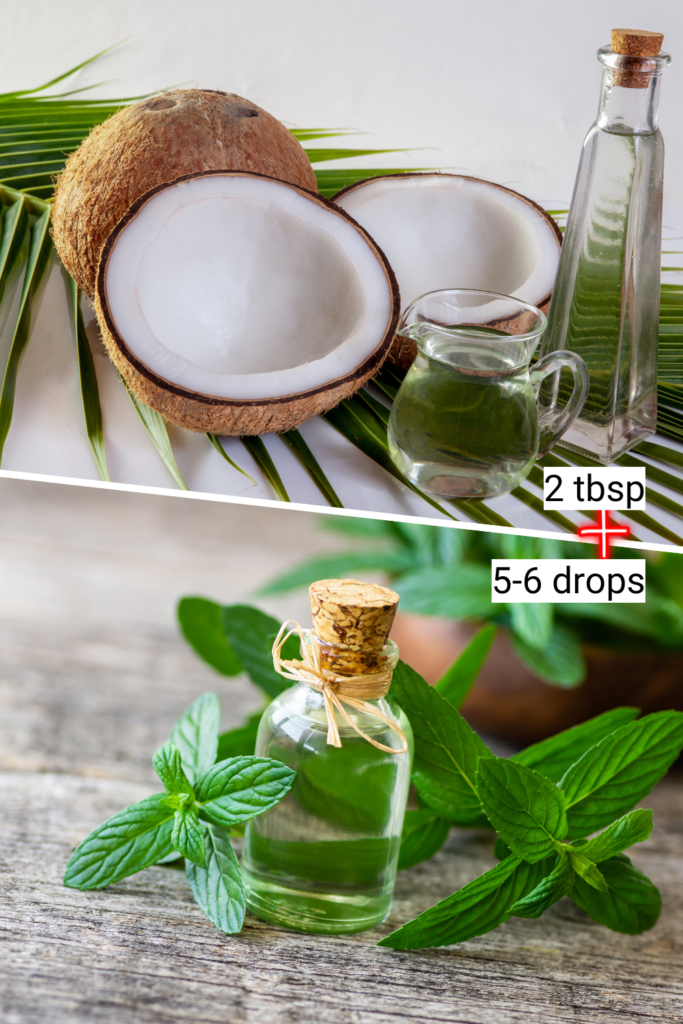
I’ve used coconut oil for years, and it never disappoints when it comes to deep hydration and reducing protein loss. Studies show coconut oil can reduce protein loss in hair by up to 39%, which helps prevent breakage over time.
Adding peppermint oil made a noticeable difference for me. It gives a cooling effect and improves blood circulation, which can support faster growth. I could literally feel my scalp more refreshed after every use.
Directions:
I warm 2 tablespoons of coconut oil slightly, then mix in 5–6 drops of peppermint oil. I massage it into my scalp and leave it on for about 20–30 minutes before washing.
Pro Tip: I always dilute peppermint oil properly—too much can irritate the scalp.
2. Avocado & Olive Oil Strength Blend
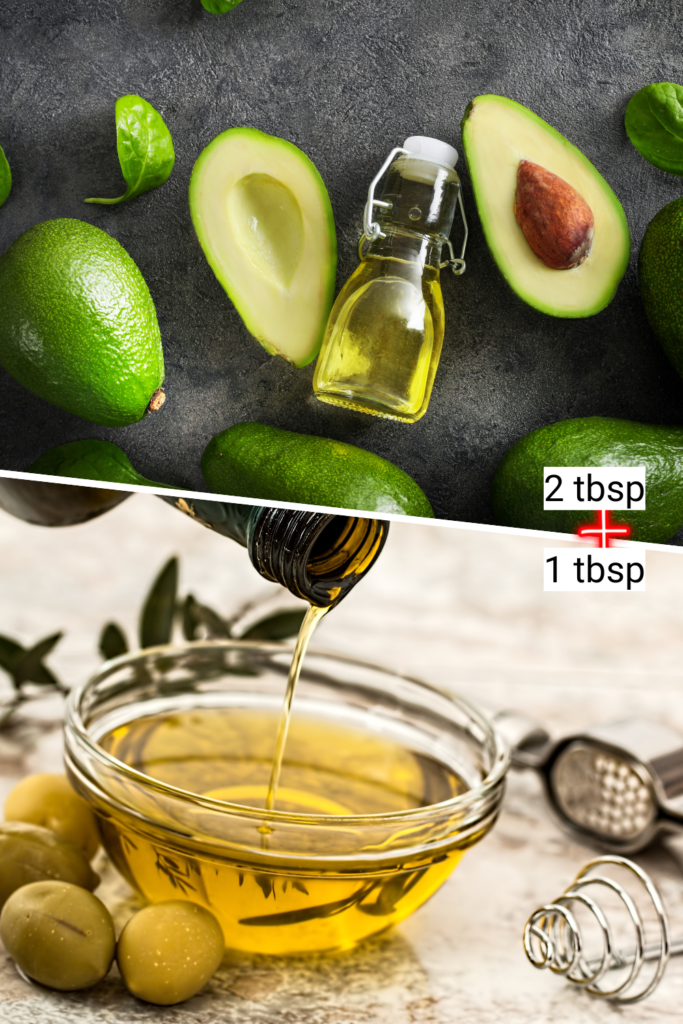
Whenever my hair feels weak or starts snapping easily, I switch to this blend. Avocado oil is rich in biotin and vitamins that support stronger strands, while olive oil smooths the cuticle and reduces split ends.
I noticed my hair felt softer and more manageable after just a few uses.
Directions:
I mix 2 tablespoons of avocado oil with 1 tablespoon of olive oil. Sometimes I add a few drops of lavender oil. I apply mainly to lengths and ends and leave it for 30–40 minutes.
Pro Tip: I avoid applying heavily on the scalp if my hair is oily.
3. Castor & Argan Hair Growth Booster
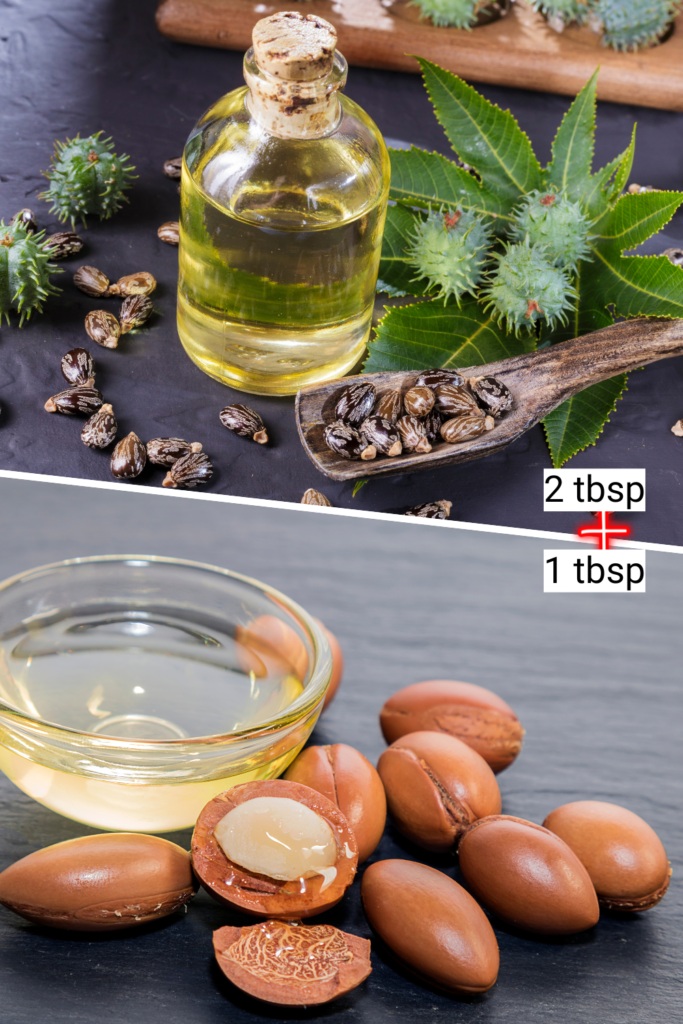
Castor oil has always been my go-to when I want visible growth. It contains ricinoleic acid, which helps improve blood flow to the scalp and supports healthier follicles.
Argan oil balances it by adding shine and softness.
Directions:
I mix 2 tablespoons of castor oil with 1 tablespoon of argan oil. I add cedarwood oil and massage it into my scalp, then leave it overnight.
Pro Tip: I wrap my hair in a silk scarf to avoid mess and reduce friction.
4. Grapeseed & Rosemary Length Enhancer
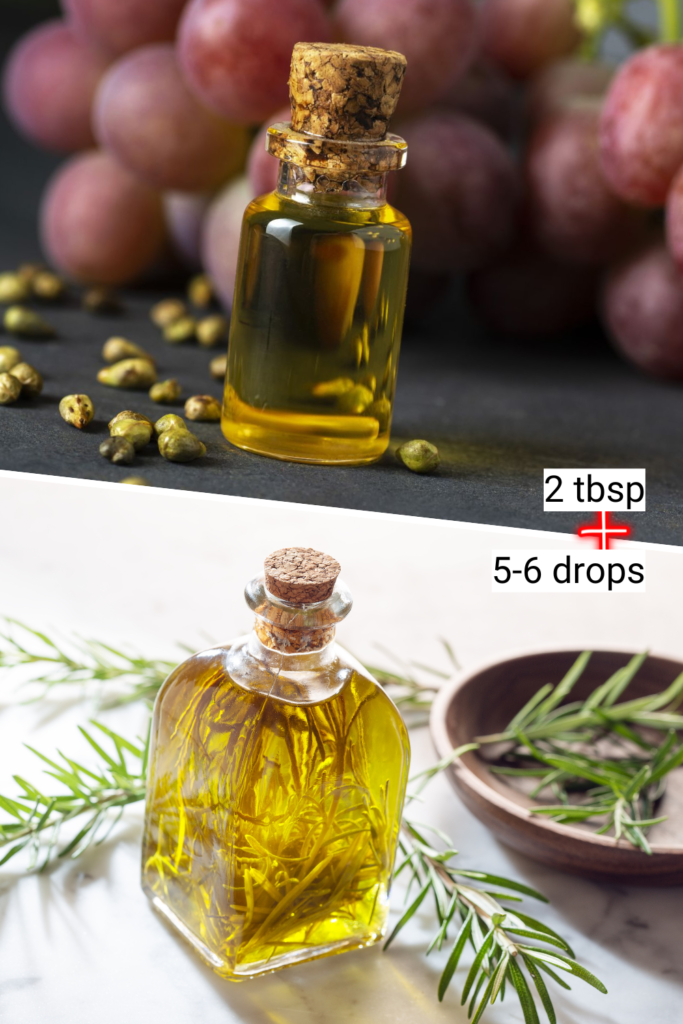
If you have fine hair like me, heavy oils can weigh it down. Grapeseed oil is light but still nourishing.
Rosemary oil is known for supporting hair growth and reducing shedding.
Directions:
I warm 2 tablespoons of grapeseed oil and add 5–6 drops of rosemary oil. I massage it in for 5 minutes and leave it for 30–45 minutes.
Pro Tip: I stay consistent and use it at least twice a week.
5. Sweet Almond & Chamomile Soothing Oil
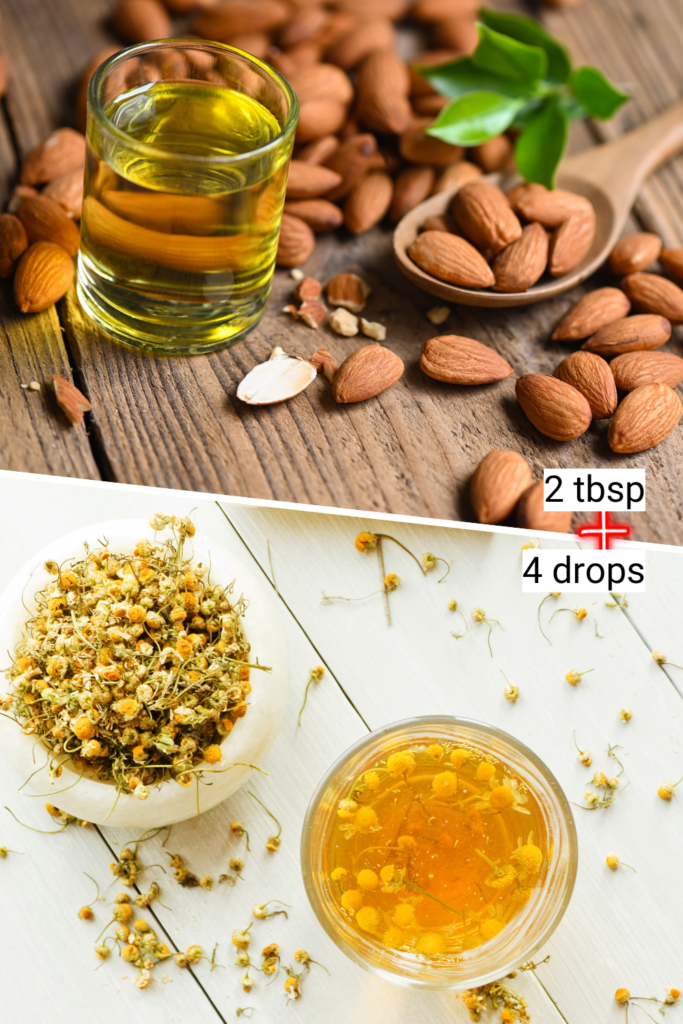
This is my go-to for irritated or itchy scalp days. Sweet almond oil nourishes, while chamomile calms inflammation.
Directions:
I mix 2 tablespoons of almond oil with 4 drops of chamomile oil and massage gently. I leave it for 20 minutes.
Pro Tip: Best used after stressful weeks when scalp feels sensitive.
6. Pumpkin Seed & Tea Tree Fresh Scalp Oil
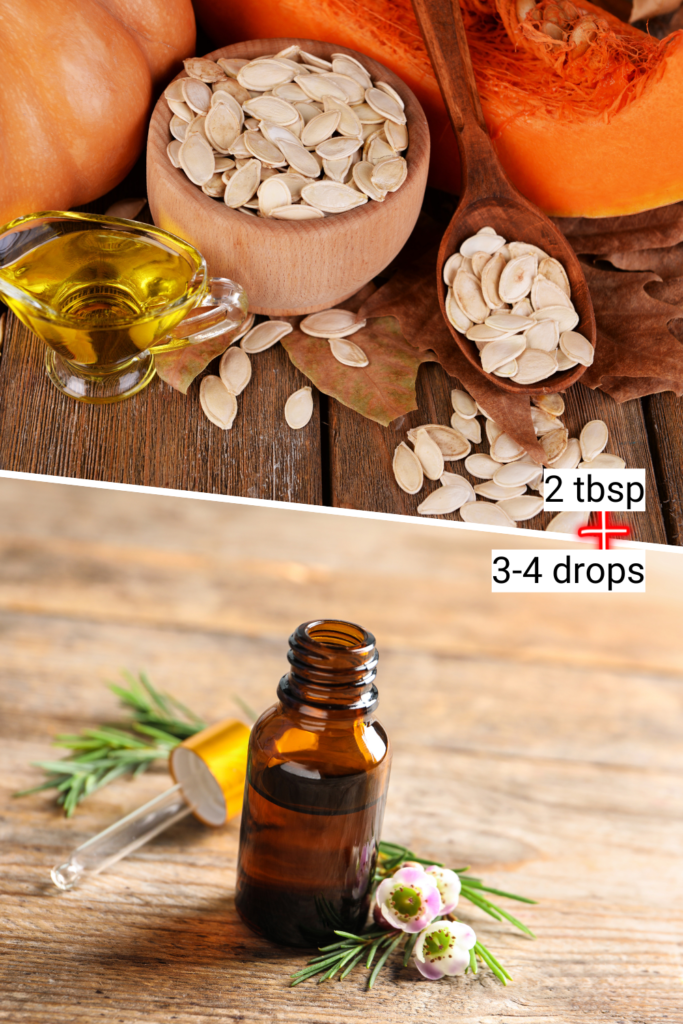
I use this when I notice dandruff or buildup. Pumpkin seed oil supports scalp health, while tea tree oil keeps it clean.
Directions:
I mix 2 tablespoons of pumpkin seed oil with 3–4 drops of tea tree oil. I massage and leave it for 20–30 minutes.
Pro Tip: I never overuse tea tree oil since it is strong.
7. Castor Oil Elixir
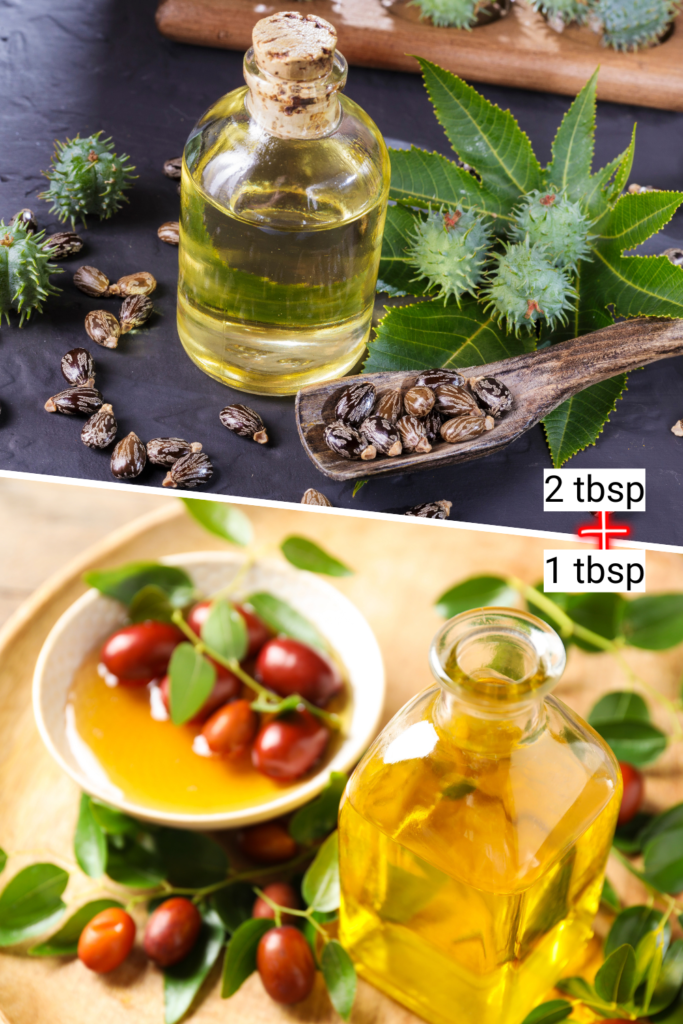
Simple but effective. I mix castor oil with jojoba oil to make it easier to apply.
Directions:
I mix 2 tablespoons of castor oil with 1 teaspoon of jojoba oil. I leave it overnight after massaging.
Pro Tip: I use a wide-tooth comb to distribute evenly.
8. Onion-Infused Hair Oil
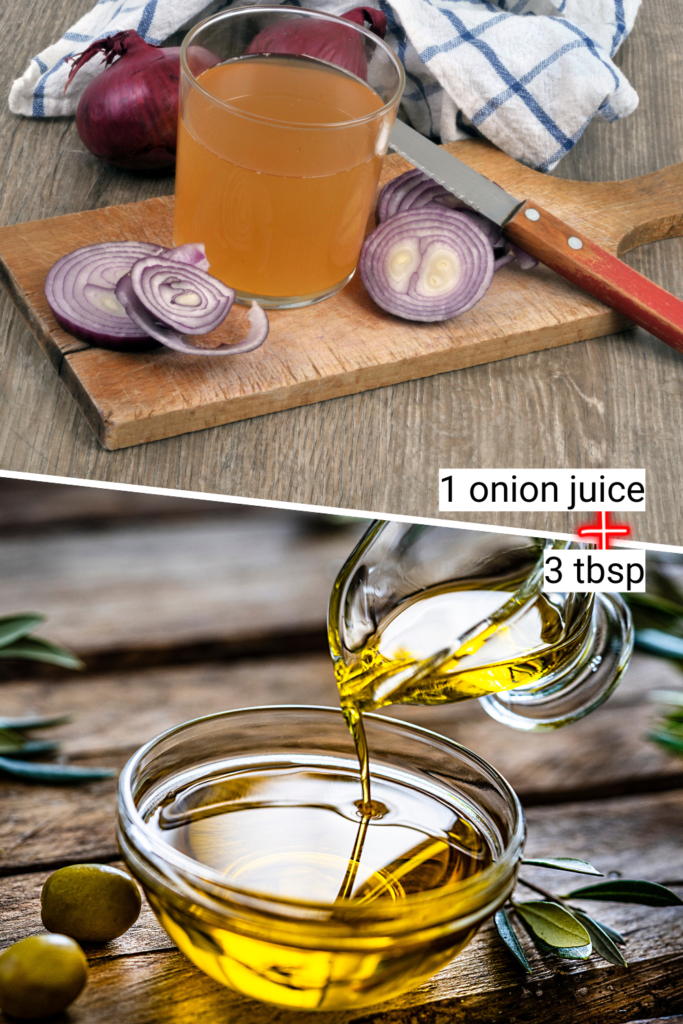
Onion oil is rich in sulfur, which supports stronger hair roots.
Directions:
I mix onion juice with 3 tablespoons of oil and apply for 30 minutes.
Pro Tip: I always use conditioner afterward to reduce smell.
9. Sunflower & Vitamin C Growth Oil
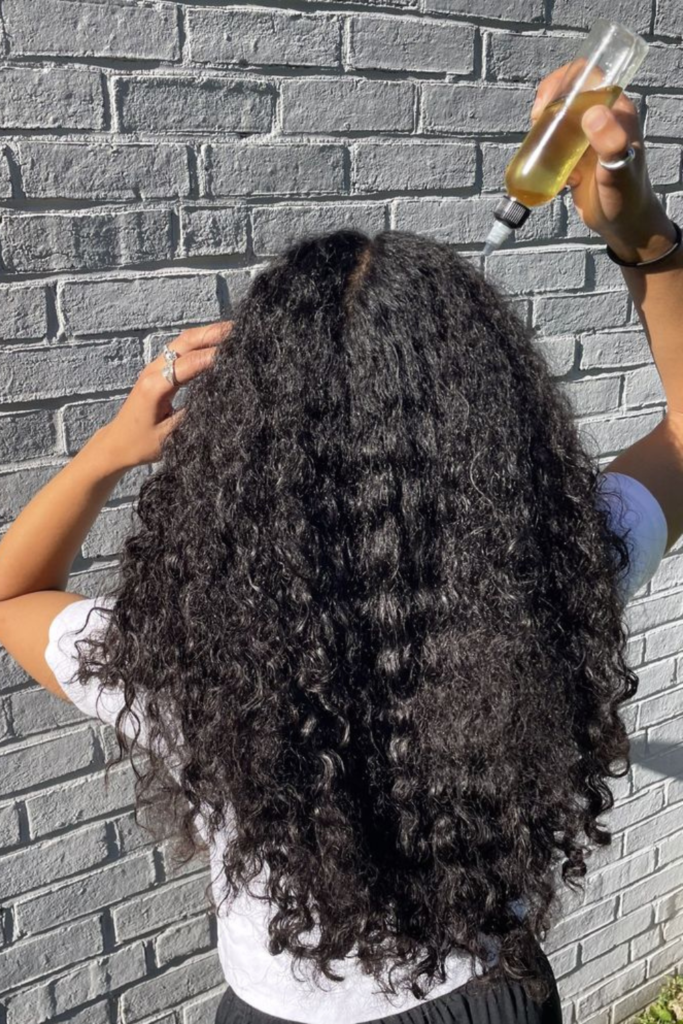
This is a light blend I use when my scalp feels oily. It supports scalp health and collagen production.
Directions:
I mix 2 tablespoons of sunflower oil with vitamin C powder or serum and massage for 20–30 minutes.
Pro Tip: Best for fine or low-porosity hair.
10. Coconut & Apple Cider Vinegar Detox Oil
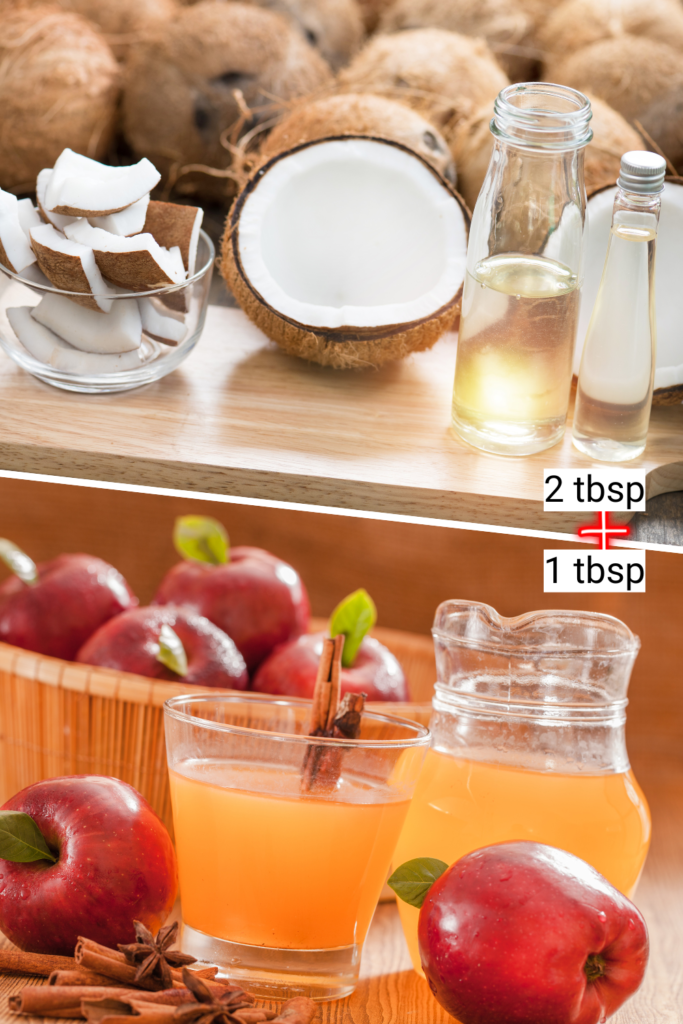
This blend removes buildup while keeping hair hydrated.
Directions:
I mix 2 tablespoons of coconut oil with 1 teaspoon of apple cider vinegar and leave it for 15–20 minutes.
Pro Tip: I only use this once a week.
Tips to Make the Most Out of Your DIY Hair Oil for hair growth

From my experience, results depend on how you use oils, not just which ones you use.
I choose oils based on hair type and avoid overusing them. I always do a patch test before trying anything new.
Warm towel wrapping helps absorption, and I never leave oil on for more than 12 hours.
I avoid applying oil on wet hair and always use fresh ingredients for infused blends.
Gentle massage works better than harsh rubbing, especially if hair fall is active.
Pro Tips:
- I oil 1–2 times weekly
- I keep essential oils minimal
- I focus on diet and stress for better results
Hair growth takes time, but with consistent care, these DIY oils help improve strength, shine, and thickness naturally.
FAQ,s
1. What are the best DIY hair oils for faster hair growth?
The best DIY hair oils for faster hair growth are blends like castor oil, rosemary oil, coconut oil, and peppermint oil. I personally see better results when I combine nourishing carrier oils with growth-boosting essential oils.
2. How often should I use DIY hair oils for hair growth?
I usually apply DIY hair oils 1–2 times a week. More than that can sometimes clog pores or make hair greasy without adding extra benefits.
3. Do DIY hair oils really help with hair growth?
Yes, they can support healthier growth by improving scalp circulation, reducing breakage, and keeping follicles nourished, but results depend on consistency.
4. Which oil is best for faster hair growth?
From my experience, castor oil and rosemary oil are the most effective for visible growth support when used regularly.
5. How long does it take to see results from hair oils?
I usually start noticing reduced hair fall in 3–4 weeks and visible thickness in about 8–12 weeks with consistent use.
6. Can I leave DIY hair oil overnight?
Yes, I often leave oils like castor and argan overnight, but lighter oils like peppermint blends should be washed off sooner.
7. Is coconut oil good for hair growth?
Yes, coconut oil helps reduce protein loss and keeps hair strong, which indirectly supports healthier growth.
8. Can I mix too many oils together?
I avoid mixing too many ingredients because it can reduce effectiveness and irritate the scalp. I stick to 2–3 oils max.
9. Which oil is best for hair fall control?
I’ve found onion oil, castor oil, and rosemary oil to be very effective for reducing hair fall over time.
10. Should I apply oil on wet or dry hair?
I always apply oil on dry hair because wet hair blocks proper absorption.
11. Can DIY oils cause side effects?
Yes, if used incorrectly. Essential oils can irritate the scalp if not diluted properly or overused.
12. Is rosemary oil scientifically proven for hair growth?
Yes, some studies suggest rosemary oil may be as effective as certain hair growth treatments when used consistently.
13. Can oily scalp use hair oils?
Yes, but I recommend lightweight oils like grapeseed or sunflower oil to avoid buildup.
14. How much oil should I use?
I use just enough to lightly coat my scalp and hair. Over-oiling does not improve results.
15. Can I use hair oil every day?
I don’t recommend daily use. 1–2 times weekly is enough for most hair types.
16. Which oil is best for dry and damaged hair?
Avocado oil, olive oil, and coconut oil work best for restoring moisture and reducing breakage.
17. Do I need to wash hair after oiling?
Yes, I always wash my hair after oiling to avoid buildup and scalp issues.
18. Can I apply oil on dandruff-prone scalp?
Yes, but I prefer tea tree or coconut-based blends because they help reduce flakes and soothe irritation.
19. Does scalp massage help hair growth?
Yes, I’ve noticed that gentle massage improves blood circulation and helps oils absorb better.
20. What is the biggest mistake in DIY hair oiling?
The biggest mistake I see is overusing oil or applying it incorrectly without consistency or proper dilution.