
Want Thicker Hair? Here are 21 Bombshell Secrets You’ll Wish You Knew Sooner!
Outfits
I’ve learned the hard way that chasing thicker hair with quick-fix products never lasts. Real results come from what I eat, how I treat my scalp, and the habits I stick to daily. In this guide, I’m breaking down everything that actually helped me improve hair density, reduce breakage, and support long-term growth.
Want Thicker Hair?

From protein intake to scalp care and simple weekly routines, I’ll walk you through practical, science-backed steps that made a visible difference. Hair thickness is not just genetics—studies show nutrition deficiencies (like low iron or protein) can directly affect hair growth cycles.
Key Takeaways
- I focus on protein and nutrient-rich foods to support thicker hair from within
- Omega-3s and collagen help improve scalp health and hair strength
- Consistent scalp care boosts blood flow and follicle activity
- Natural treatments like rice water and onion juice actually support growth
- Simple habits like less heat styling and regular trims protect thickness
- Medical issues like iron deficiency can silently affect hair density
First Off, Eat Healthy to Grow Thicker Hair.

I’ve noticed that my hair health always reflects my diet. When I eat better, my hair feels stronger, shinier, and visibly thicker. Hair follicles need nutrients daily, so I treat my meals like part of my haircare routine.
Protein Up

Since hair is made of keratin, I make sure I’m not skipping protein. When I increased my intake, I noticed less shedding within weeks.
I regularly include eggs, lentils, chicken, and yogurt in my meals. Research shows protein deficiency can push hair into the shedding phase faster.
Pro Tip: I start my morning with eggs or a yogurt smoothie—it’s the easiest way I’ve found to support thicker hair early in the day.
Eat Your Omega-3s

I added omega-3-rich foods, and honestly, my scalp felt less dry within a month. These healthy fats improve scalp condition, which directly supports hair thickness.
I rotate between salmon, chia seeds, and flaxseeds depending on the week. Studies suggest omega-3s may help reduce hair thinning linked to inflammation.
Pro Tip: I sprinkle flaxseed powder on meals—it’s a small habit that adds up over time.
Add Collagen to Your Diet
Collagen made a noticeable difference in how strong my hair felt. It supports scalp elasticity, which helps maintain healthier follicles.
I sometimes mix collagen powder into tea or use bone broth in meals. While results take time, consistency really matters here.
Give Biotin Supplements a Chance
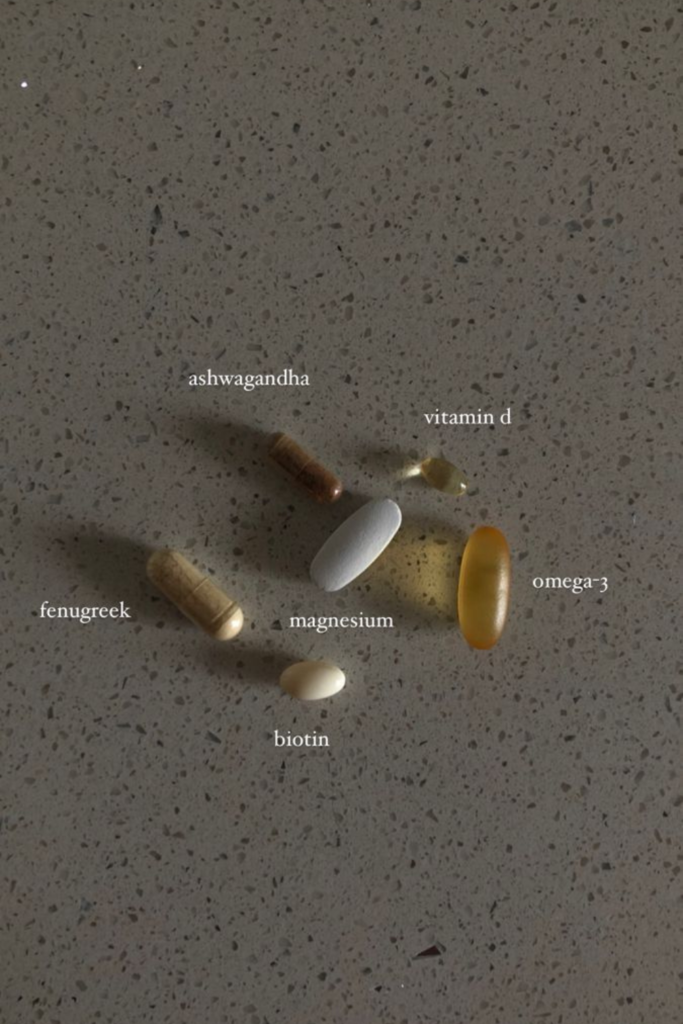
Biotin is something I didn’t take seriously before, but once I did, I noticed improved hair strength. It supports keratin production, which is key for thicker hair.
I still prefer getting nutrients from food, but supplements can help if your diet lacks enough B vitamins.
Pro Tip: I always check with a doctor before starting supplements to avoid overuse.
Get Your Daily Dose of Zinc

Zinc helped me balance my scalp oil, which made my hair look healthier overall. A dry or oily scalp can both affect hair thickness.
I include foods like chickpeas, seeds, and spinach regularly. Low zinc levels are often linked to hair shedding.
Pro Tip: Pair zinc with vitamin C-rich foods to improve absorption naturally.
Next, Take Care of Your Scalp Grow Thicker Hair.

I started treating my scalp like skincare—and that changed everything. A healthy scalp creates the right environment for thicker hair to grow consistently.
Massage Your Scalp, but Carefully
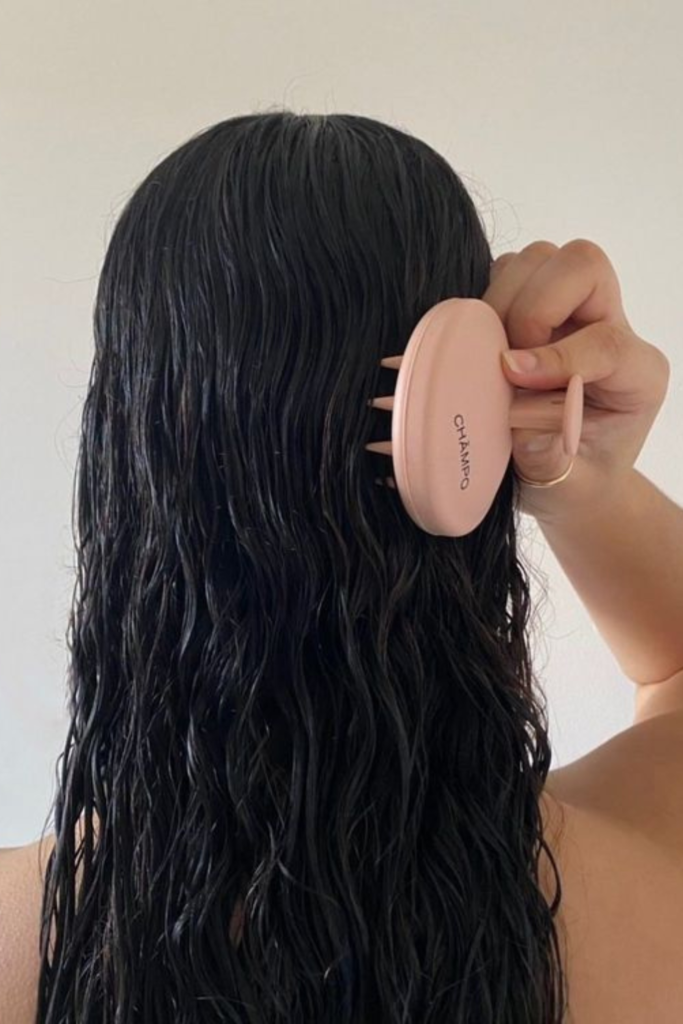
Scalp massage became part of my routine because it improves blood circulation. Better blood flow means more nutrients reach hair follicles.
I use gentle circular motions for about 5–10 minutes. I avoid being rough because that can cause breakage instead of growth.
Important Note: When my hair was weak, I avoided oil massage until I improved my nutrition first.
Use Nourishing Oils to Massage Your Scalp

Adding oils to my routine made my hair feel stronger over time. Oils help lock in moisture and reduce breakage, which supports thicker hair.
I switch between rosemary oil, coconut oil, and argan oil depending on my needs. Each one supports hair in a slightly different way.
Pro Tip: I always dilute essential oils like rosemary to avoid irritation.
Try a Rice Water Rinse
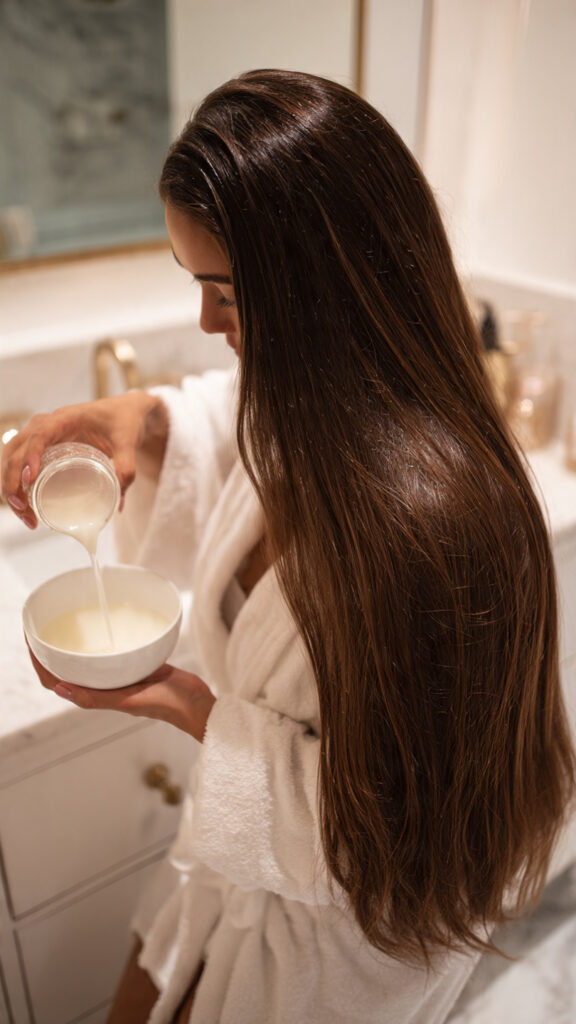
I was skeptical at first, but rice water actually improved my hair texture. It contains amino acids that support stronger strands.
I use it as a final rinse after shampooing and leave it for about 10 minutes. Over time, my hair felt smoother and looked fuller.
Pro Tip: Fermented rice water works better because it contains more nutrients.
Egg Yolk Masks Aren’t Gross if They Work

I know it sounds messy, but egg yolk masks helped strengthen my hair. They’re rich in protein and biotin, which support thicker hair.
I use it once a week and rinse with cool water to avoid cooking the egg. The results are worth the effort.
Pro Tip: I mix in olive oil for extra softness and shine.
Onion Juice Works—Don’t @ Me

This is one of the most effective remedies I’ve tried. Onion juice is high in sulfur, which supports collagen production and hair growth.
I apply it for about 20 minutes and wash it out properly. Yes, the smell is strong—but the results are real.
Pro Tip: I add a few drops of essential oil to reduce the smell.
Finally, Keep These Additional Tips in Mind to Grow Thicker Hair:

I realized that small daily habits matter just as much as treatments. These changes helped me maintain thicker hair over time:
I wash my hair 2–3 times a week to avoid stripping natural oils. Overwashing can make hair look thinner.
I use a clarifying shampoo once a month to remove buildup that weighs hair down.
I air-dry my hair whenever possible to reduce heat damage.
I switched to heatless styles like braids, which helped reduce breakage.
I always use a heat protectant when styling with tools.
I trim my hair every 10–12 weeks to prevent split ends from spreading.
I avoid hot water since it dries out my scalp and weakens strands.
I limit chemical treatments because they damage hair structure over time.
I got my blood levels checked when I noticed excessive shedding—iron deficiency is more common than people think.
Pro Tip: If your hair isn’t improving despite good care, a simple blood test can reveal hidden deficiencies.