16 Best Oils for Low-Porosity Hair That Will Leave You Stunned
16 Best Oils for Low-Porosity Hair
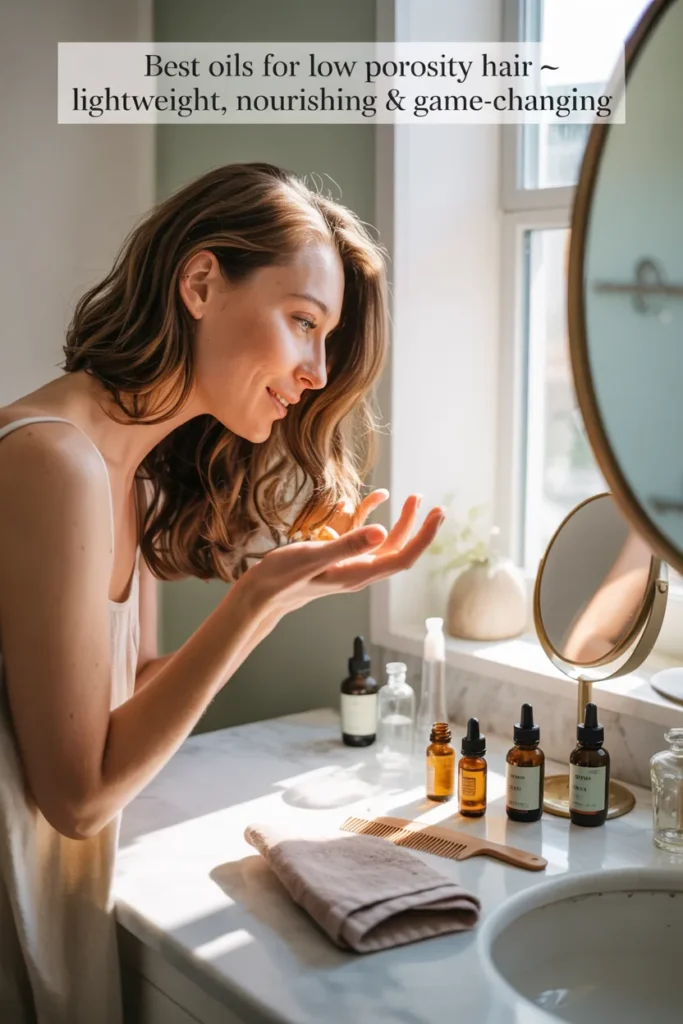
From my personal experience dealing with stubborn low-porosity hair, I’ve learned that the real issue isn’t lack of care—it’s moisture resistance. In this guide, I break down the Best Oils for Low-Porosity Hair that actually helped me improve hydration, reduce buildup, and make my hair softer over time.
Above the Fold Summary
What worked for me was switching from heavy oils to lightweight, fast-absorbing oils like argan and jojoba. I also noticed a big improvement when I applied oil on damp hair and used gentle heat for better absorption. The truth is, low-porosity hair needs patience and the right technique—not just more products.
Key Takeaways
- Low-porosity hair resists moisture due to tight cuticles
- Heavy oils cause buildup instead of hydration
- Lightweight oils absorb faster and work better
- Heat helps improve oil penetration
- Consistency matters more than product quantity
What is the Meaning of Low-porosity Hair?
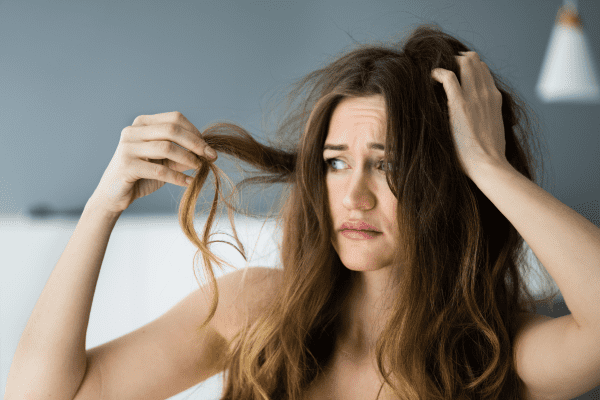
From what I’ve personally observed, low-porosity hair means the cuticle layer is tightly sealed, making it hard for water and oils to enter the strand. Even when I used good conditioners, they often just sat on my hair instead of absorbing.
This hair type usually takes longer to get fully wet and also dries slowly. I also noticed more product buildup over time if I wasn’t careful. Once I understood this, I stopped blaming products and started focusing on technique and oil selection.
What Makes Light Oils the Best for Low-porosity Hair?
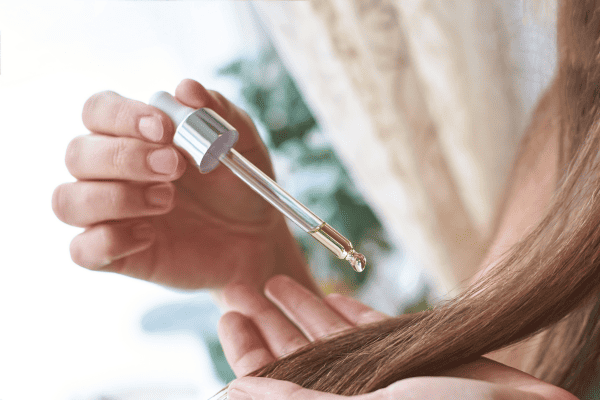
In my routine, switching to lightweight oils completely changed my results. Heavy oils made my hair greasy and flat, while light oils actually helped seal moisture without blocking absorption.
Based on my experience and research-backed findings, oils like jojoba, grapeseed, and argan work better because they absorb quickly and don’t sit on the surface. These oils also help lock in hydration after washing instead of blocking it.
A simple habit that helped me a lot was applying a few drops on damp hair instead of dry hair.
What are some of the best oils for Low-porosity Hair?
After testing different oils, I found that the Best Oils for Low-Porosity Hair are always lightweight and rich in nutrients like vitamin E and fatty acids.
In my case, jojoba oil worked best because it closely mimics natural scalp oils. Grapeseed oil felt almost weightless and helped reduce frizz without buildup. Argan oil gave my hair shine and softness, while sweet almond oil improved texture over time.
I realized that thick oils like coconut oil didn’t work for me because they blocked moisture instead of helping it.
1. Argan Oil
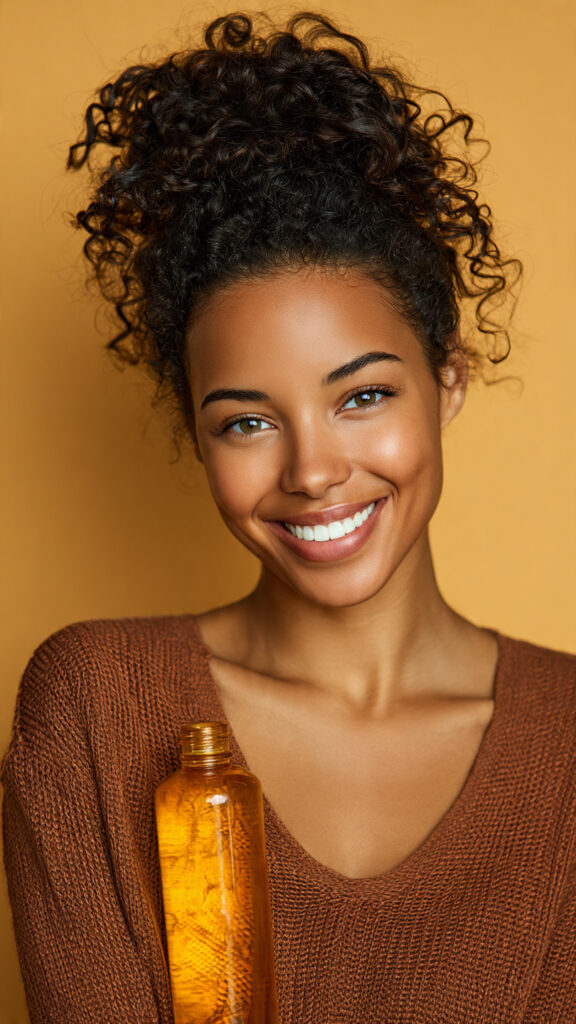
Packed with unsaturated fatty acids, ferulic acid, and vitamin E, argan oil helps strengthen hair while enhancing its shine and softness. It’s especially great for low-porosity hair because it’s light enough to absorb without causing buildup.
2. Jojoba Oil
Jojoba oil is rich in antioxidants and closely mimics the natural oils of your scalp. This makes it an excellent lightweight moisturizer for low-porosity hair, helping lock in hydration while keeping strands soft and healthy.
3. Sweet Almond Oil
Loaded with vitamins, proteins, zinc, and potassium, sweet almond oil helps nourish and soften hair. It improves moisture absorption in low-porosity strands while providing deep conditioning without heaviness.
4. Pomegranate Oil
Pomegranate oil is rich in punicic acid, linoleic acid, oleic acid, and vitamin C. These nutrients help support stronger, healthier hair while improving overall shine and growth.
5. Grapeseed Oil
Grapeseed oil is a lightweight oil that works well for sealing moisture into low-porosity hair. It’s also known for acting as a natural heat protectant, making it a versatile choice for styling routines.
6. Baobab Oil

Rich in vitamins A, E, and F along with omega fatty acids, baobab oil penetrates low-porosity hair easily. It helps restore moisture, improve elasticity, and add a healthy natural glow.
Other great oils for low-porosity hair include:

Apricot oil, camellia oil, avocado oil, sesame oil, rosehip oil, and safflower oil.
Top 5 Oils For Low-Porosity Hair I Swear By
1. Moroccanoil Treatment Hair Oil

This popular hair oil blends argan oil and linseed extract to nourish dry, frizzy hair. It’s lightweight, absorbs quickly, and helps improve shine, softness, and manageability—making it ideal for low-porosity hair that struggles with moisture absorption.
2. Carol’s Daughter Goddess Strength Scalp & Hair Oil

Formulated with black seed oil, castor oil, and vitamin E, this nourishing blend helps reduce breakage and dryness. It strengthens strands while keeping the scalp hydrated and balanced.
3. Pattern Jojoba Hair & Scalp Oil Blend
This lightweight blend combines jojoba, safflower, and lavender oils to help improve moisture retention. It’s especially helpful for reducing flaking, dryness, and split ends while supporting overall hair health.
4. Cliganic Certified Organic Argan Oil

Cold-pressed and chemical-free, this argan oil is rich in vitamin E and fatty acids. It absorbs quickly into low-porosity hair, leaving it smooth, shiny, and frizz-free without a greasy finish.
5. Majestic Pure Avocado Oil
Pure avocado oil deeply nourishes dry strands while remaining gentle on the scalp. It’s rich in healthy fats that help soften hair, improve moisture levels, and support overall hair strength.
How Often Should You Oil Your Hair?
Generally, oiling your hair once or twice a week is enough to maintain moisture balance. However, if your hair is extremely dry, you can increase the frequency slightly based on your needs.
How Do You Moisturize Low-Porosity Hair?
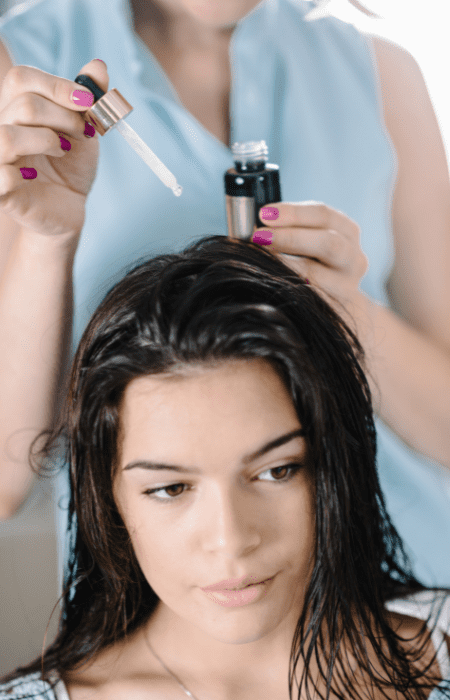
Moisturizing low-porosity hair is all about using lightweight products and the right techniques. Here are some simple habits that really help:
1. Use light oils
Stick to oils like argan, jojoba, or grapeseed. Apply them a few hours before washing your hair for better absorption.
2. Lighten your conditioner
Avoid heavy product buildup. Diluting conditioner slightly or using lightweight formulas can help your hair absorb moisture more effectively.
3. Clarify regularly
Use a clarifying shampoo occasionally to remove buildup caused by products and hard water.
4. Deep condition with heat
Heat helps open the hair cuticle, allowing moisture to penetrate better. Use a steamer or heat cap for best results.
5. Try the greenhouse method
After moisturizing, cover your hair with a plastic cap overnight to lock in hydration.
6. Sleep on satin or silk
Switching to a satin pillowcase or bonnet helps prevent moisture loss and reduces frizz.
7. Avoid heavy styling products

Too many heavy creams and gels can weigh hair down and block moisture absorption.
Frequently Asked Questions
1. Is coconut oil good for low-porosity hair?
Coconut oil can be too heavy for low-porosity hair and may cause buildup, making it harder for moisture to penetrate.
2. Is castor oil bad for low-porosity hair?
Castor oil is thick and may sit on the hair instead of absorbing properly, leading to greasiness and buildup.
3. Is aloe vera good for low-porosity hair?
Yes, but in moderation. Aloe vera is hydrating, but using it too heavily may weigh hair down. Diluted aloe juice works best.
4. Is curd good for low-porosity hair?
Yes, curd is rich in proteins and helps nourish and soften hair without making it heavy.
5. Is rice water good for low-porosity hair?
Rice water can strengthen and smooth hair when used correctly. It’s best used as a rinse or light treatment.
Final Thoughts on Best Oils for Low-Porosity Hair
Caring for low-porosity hair is all about patience and consistency. Since this hair type resists moisture absorption, the key is choosing lightweight oils and using smart techniques that help hydration penetrate the strands.
From argan and jojoba oil to avocado and grapeseed oil, the right choices can completely transform your hair’s health over time. Pair that with deep conditioning, clarifying, and protective habits, and you’ll start noticing softer, shinier, and more manageable hair.
Don’t expect overnight changes,low-porosity hair responds gradually. But with consistent care, your hair will absolutely thrive.