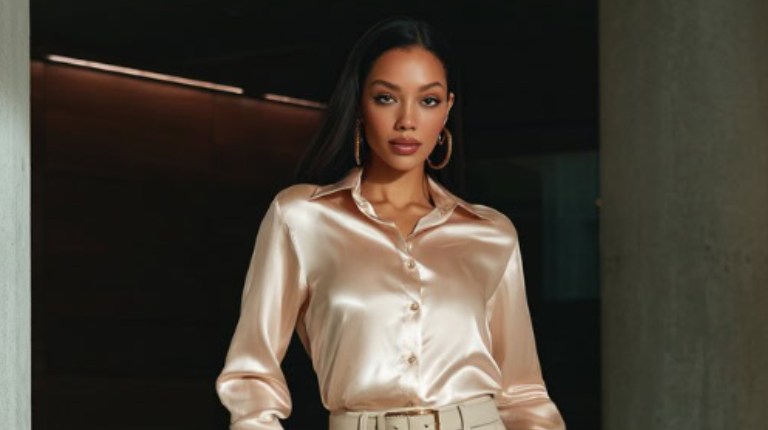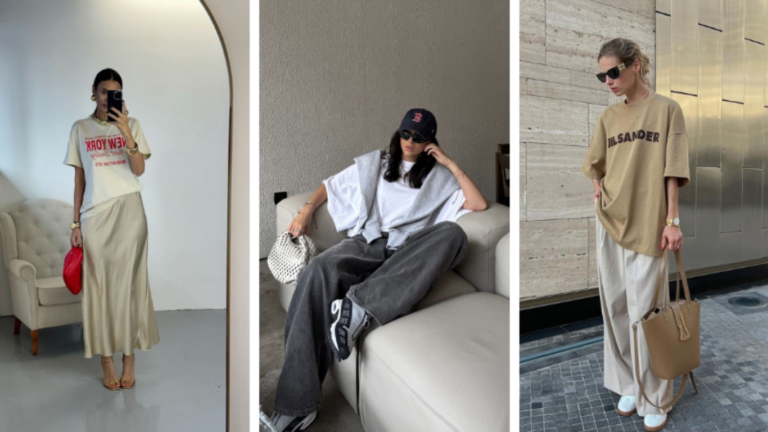
How to Find Your Style & Finally Dress Like the Baddie You Are (12 Simple Fashion Tips That Actually Work)
Outfits
How to Find Your Style and Finally Dress Like the Baddie You Are
I used to feel confused every time I opened my wardrobe. Some days I wanted soft, feminine looks, and other days I leaned into bold outfits. Over time, I realized finding my style isn’t about picking one identity—it’s about understanding what actually works for me.
Above the Fold Summary
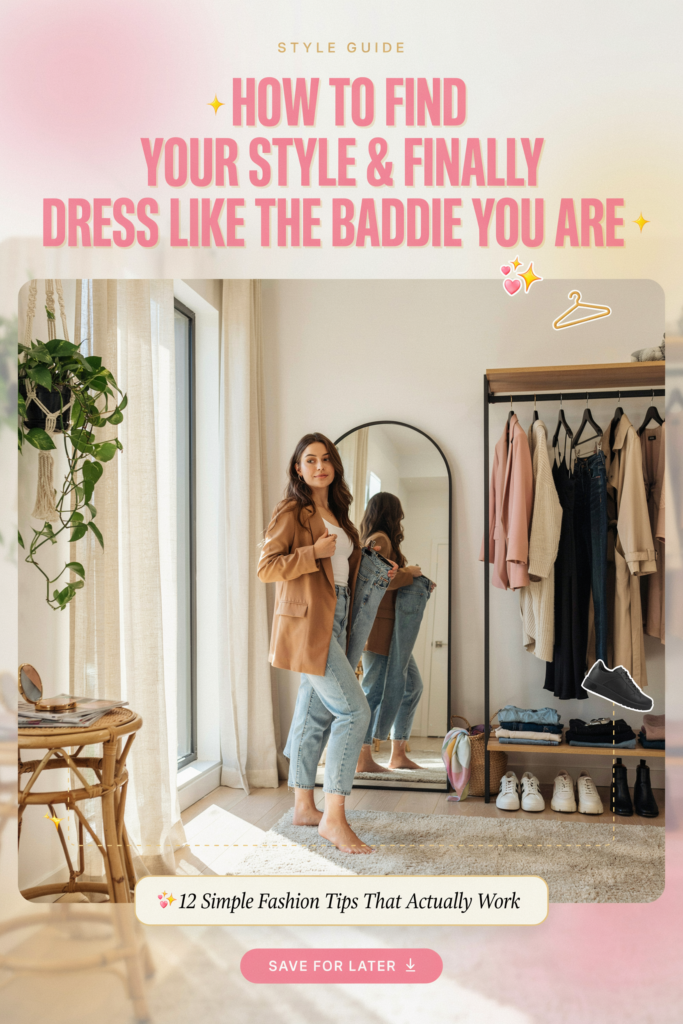
In this guide, I’m sharing what helped me finally dress like the baddie you are without overcomplicating things. From cleaning out my closet to tracking what I actually wear, these steps helped me build a wardrobe that feels natural, wearable, and confident.
Key Takeaways
I learned that style becomes easier when I stop copying trends and start observing my own habits.
Paying attention to what I avoid is just as important as what I love.
My lifestyle, comfort, and daily routine shape my wardrobe more than trends ever will.
Small details like accessories and textures can completely change an outfit.
Consistency matters—most people wear 20% of their clothes 80% of the time, so I focus on what I actually use.
1. Identify Your Style Turn-Offs
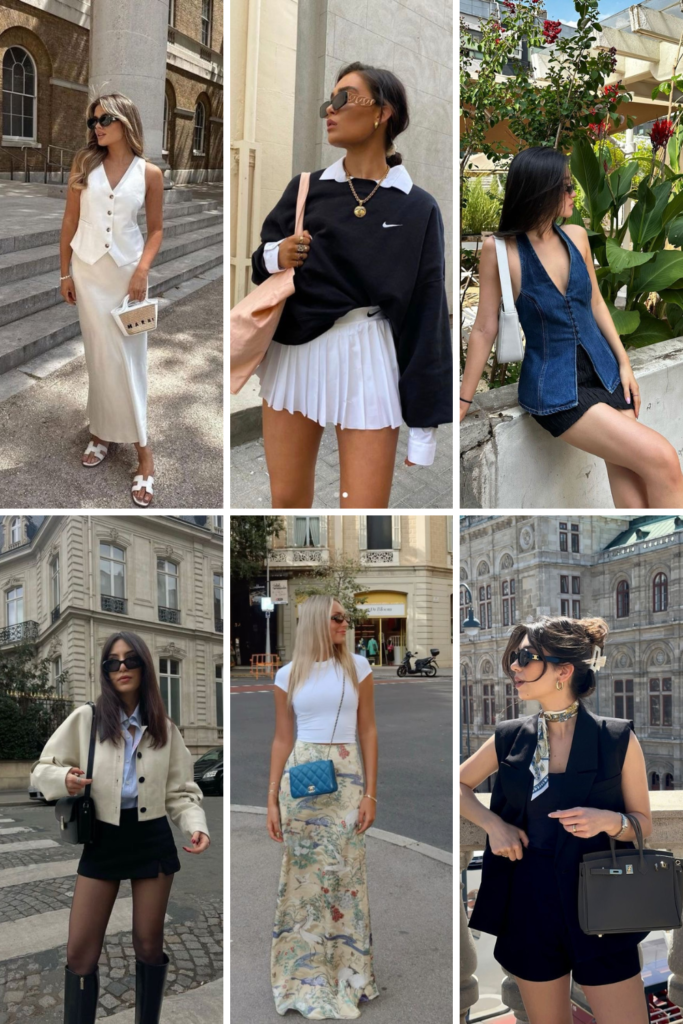
I started by figuring out what I don’t like, and honestly, that made everything clearer. There were pieces sitting in my closet for years that I never touched. That was my first clue.
When I removed things like uncomfortable fabrics or colors that didn’t suit me, I felt lighter. Studies show most people wear less than half their wardrobe regularly, so clearing out the “no” pieces made space for better choices.
Pro Tip: If I haven’t worn something in 12 months, I remove it. No overthinking.
2. Name Your “Fashion Envy” Moment
Every time I saw an outfit and thought, “I wish I looked like that,” I started paying attention instead of ignoring it. Those moments actually revealed what I was drawn to.
I began saving outfits and noticed patterns—neutral tones, fitted silhouettes, or certain accessories kept showing up. That helped me define my direction instead of guessing.
Pro Tip: I keep a simple note or screenshot folder. After 10–15 saves, patterns become obvious.
3. Use Aesthetics—but Don’t Marry Just One
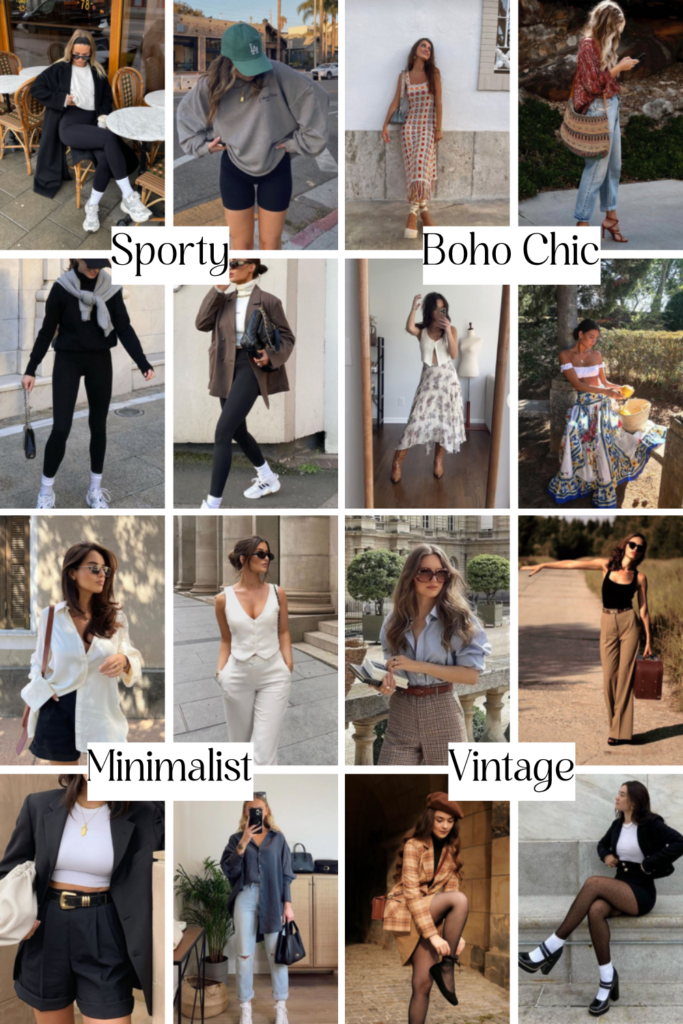
At first, I thought I had to stick to one aesthetic, but that felt limiting. My style changed depending on my mood, and that’s completely normal.
Now I mix different vibes without forcing it. Some days I go minimal, other days I add bold elements. Style feels more real when it’s flexible.
Pro Tip: Instead of choosing one aesthetic, I pick 2–3 and rotate based on mood.
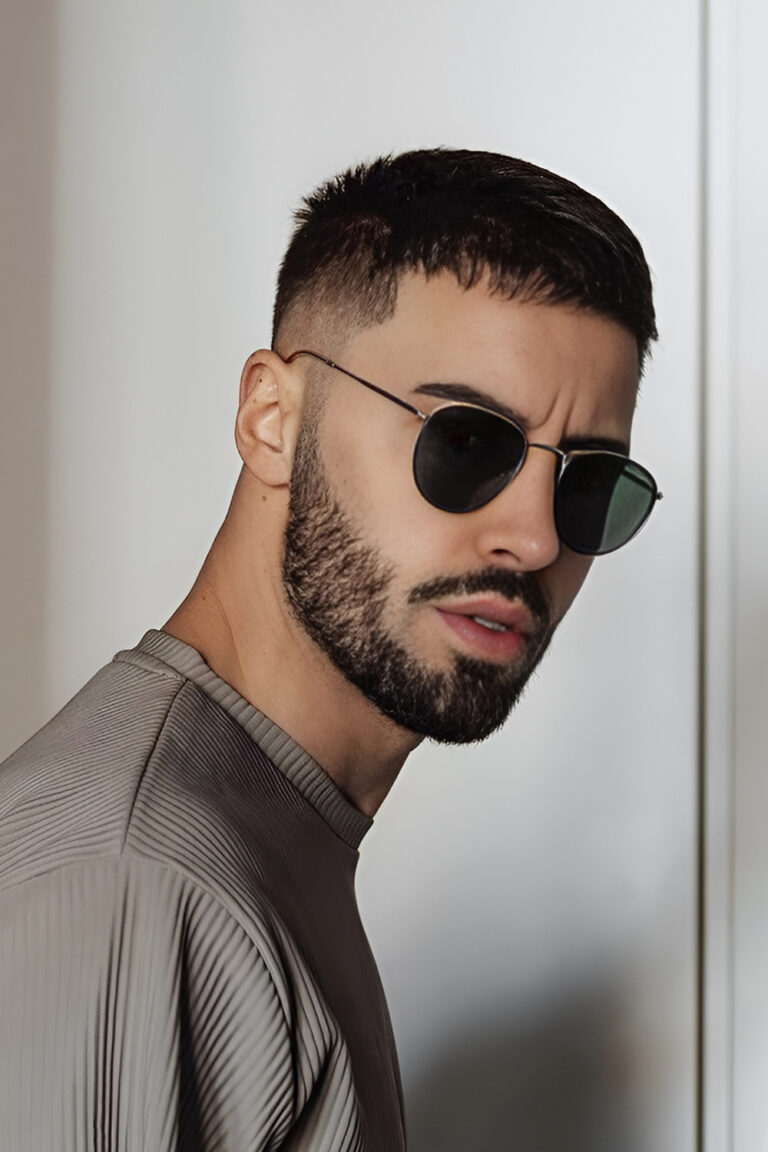
4. Use Your Face as a Style Guide
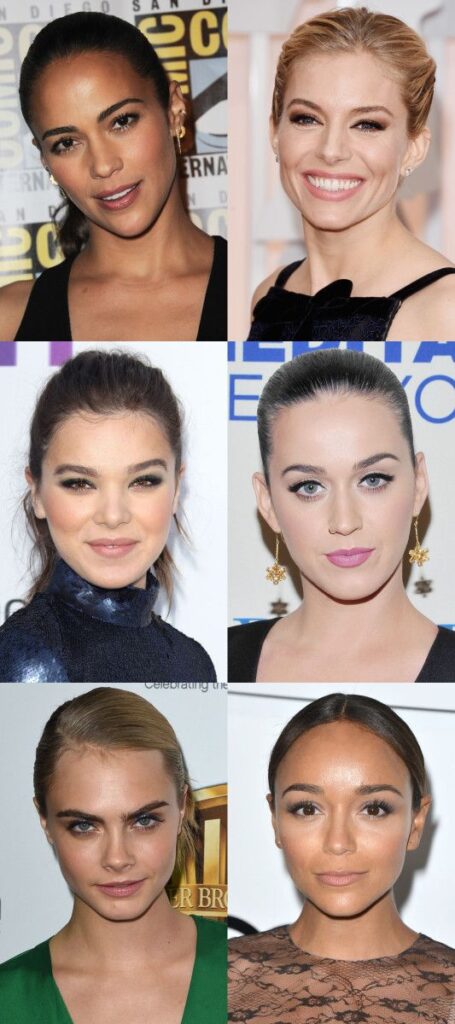
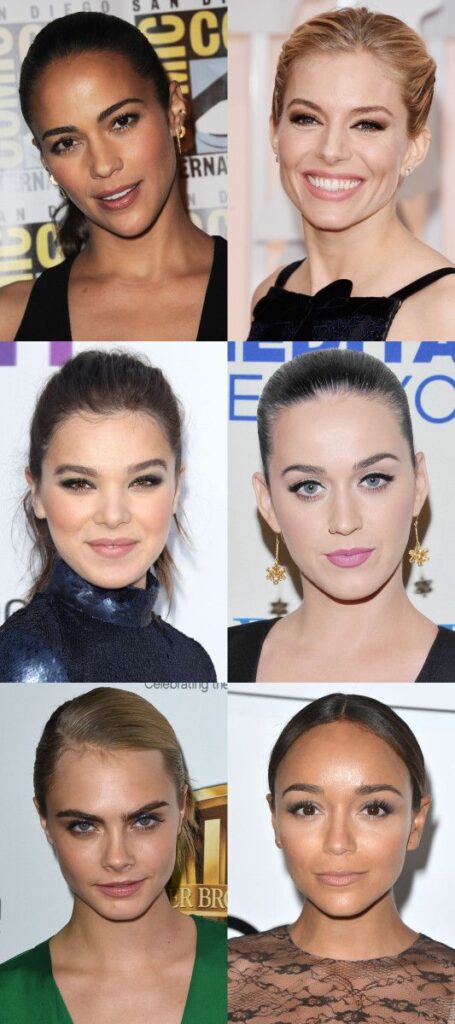
I noticed that certain accessories worked better for me, and it wasn’t random. My face shape and features actually influenced what looked balanced.
For example, sharper features worked well with structured pieces, while softer looks suited delicate styles. Once I understood that, my outfits looked more put together.
Pro Tip: Even small changes like earrings or sunglasses can shift your entire look.
5. Think in Textures, Not Just Colors
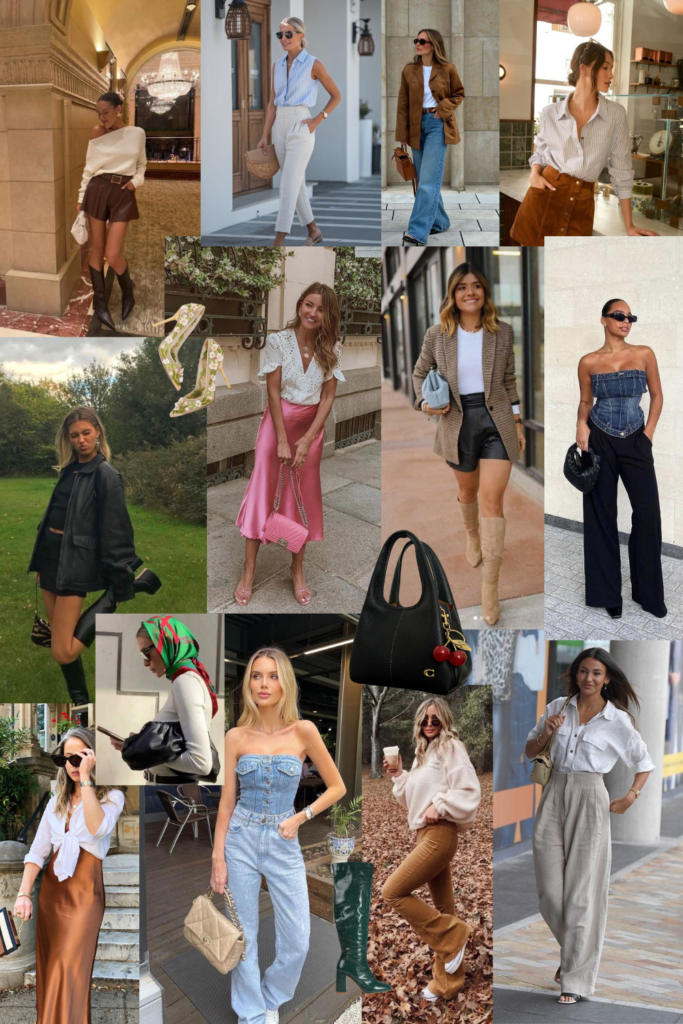
I used to focus only on colors, but textures made a bigger difference than I expected. A simple outfit looked completely different depending on the fabric.
Mixing textures like denim with softer materials added depth without trying too hard. It also made basic outfits feel more styled.
Pro Tip: I stick to 2 textures per outfit when I want a clean but interesting look.
6. Get Inspired from Pinterest, Magazines, and Mood Boards
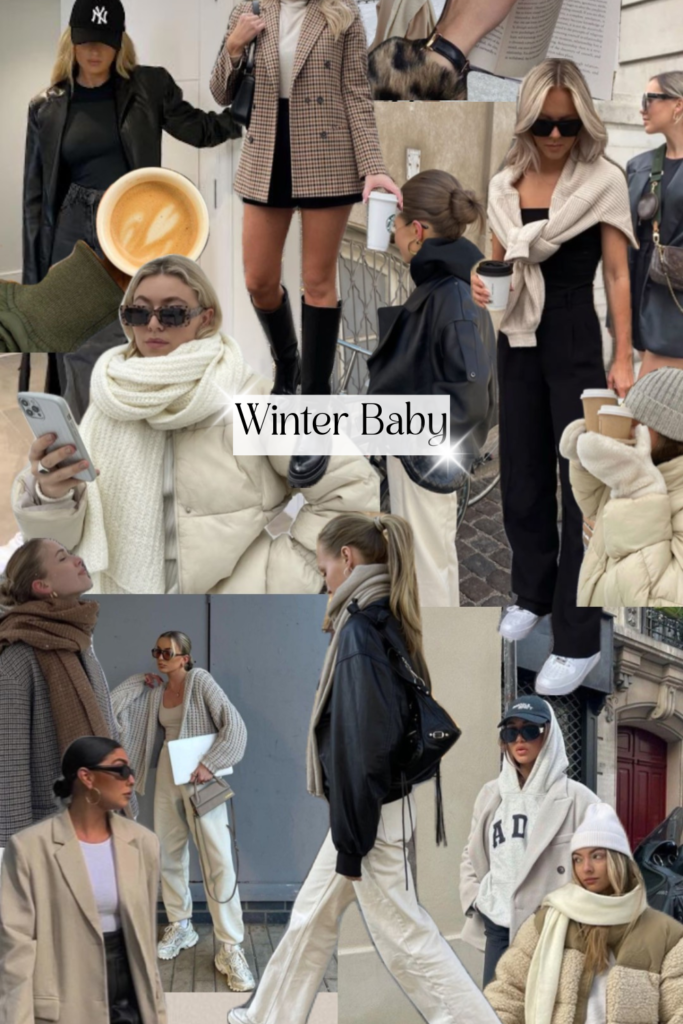
When I felt stuck, I stopped overthinking and started collecting inspiration. Looking at outfits helped me understand what I naturally liked.
Creating a mood board made everything clearer. Instead of random ideas, I could actually see my style forming in one place.
Pro Tip: I create seasonal boards so I don’t get overwhelmed with too many ideas.
7. Assess Your Current Wardrobe
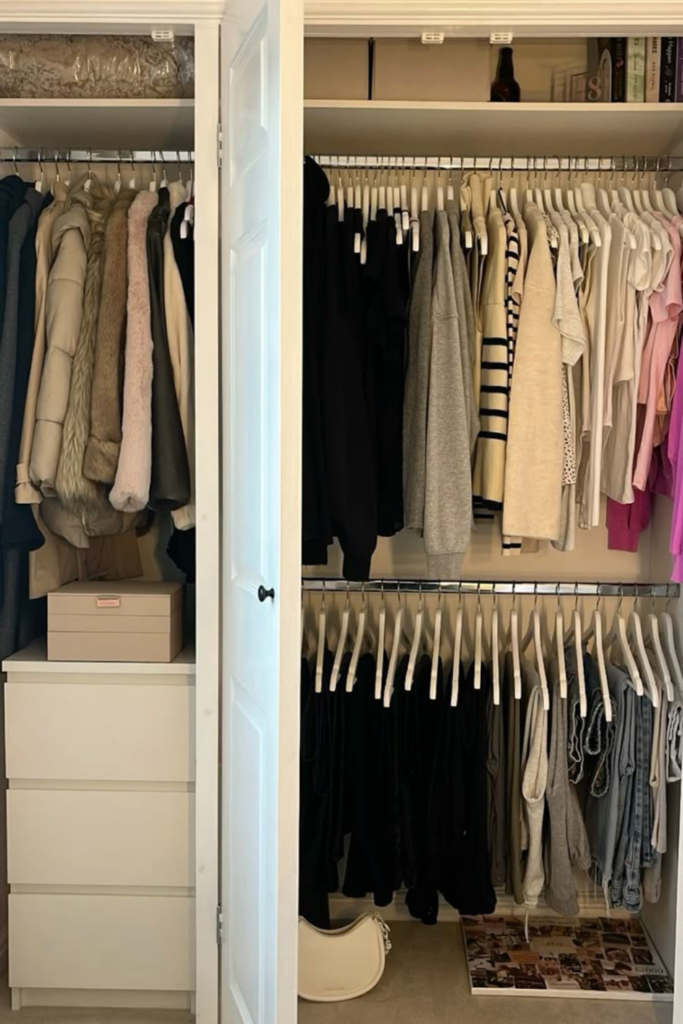
Going through my closet honestly changed everything. I realized I owned things I didn’t even like anymore.
I started asking simple questions: Do I wear this? Does it feel comfortable? Does it match my current style? That helped me filter everything.
Pro Tip: If something doesn’t feel good physically, I won’t wear it—no matter how trendy it is.
8. Define Your Lifestyle Needs

I had to accept that my style needs to match my daily life. There’s no point in buying outfits I don’t have occasions for.
Most of my days are casual, so I focused on building outfits that actually fit that routine. That made getting dressed easier.
Pro Tip: I divide my wardrobe into categories like casual, work, and outings to stay balanced.
9. Track the Outfits That Earn You Compliments
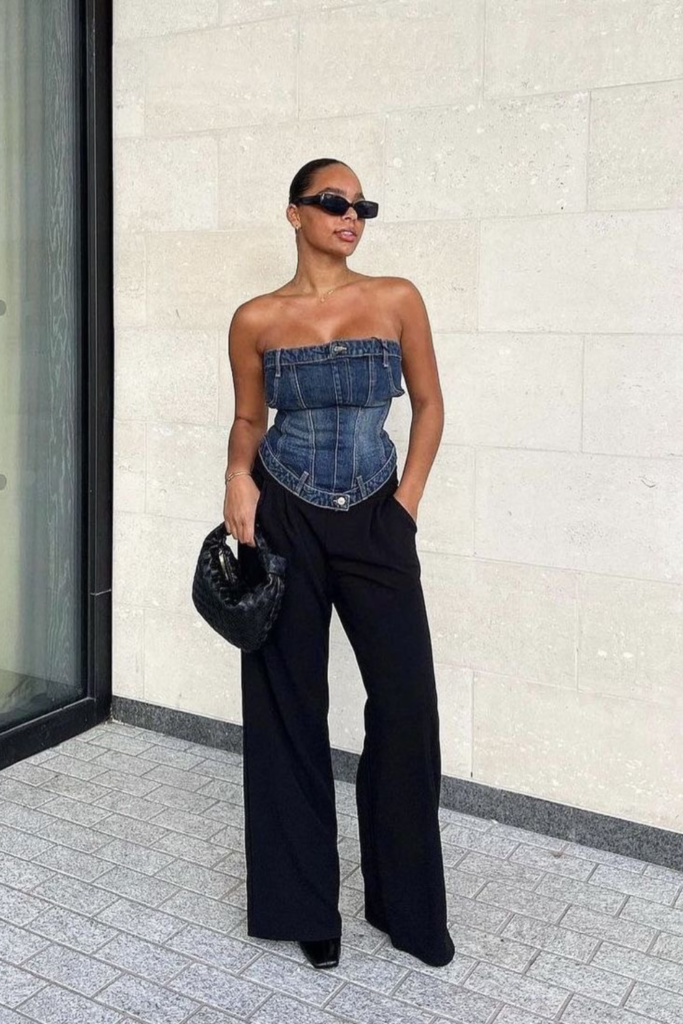
Whenever I got compliments on an outfit, I started paying attention instead of brushing it off. Those moments showed me what works.
Over time, I noticed repeated patterns in colors, fits, and styling choices. That became my personal formula.
Pro Tip: I take quick mirror photos of outfits I feel confident in—it helps me recreate them later.
10. Experiment with Mood Boards

Mood boards helped me see my style clearly instead of guessing. I grouped outfits together and noticed a consistent vibe forming.
This made shopping easier because I knew exactly what to look for. It also stopped me from buying random pieces.
Pro Tip: I use my mood board as a checklist before buying anything new.
11. Micro-Style = Accessories & Details
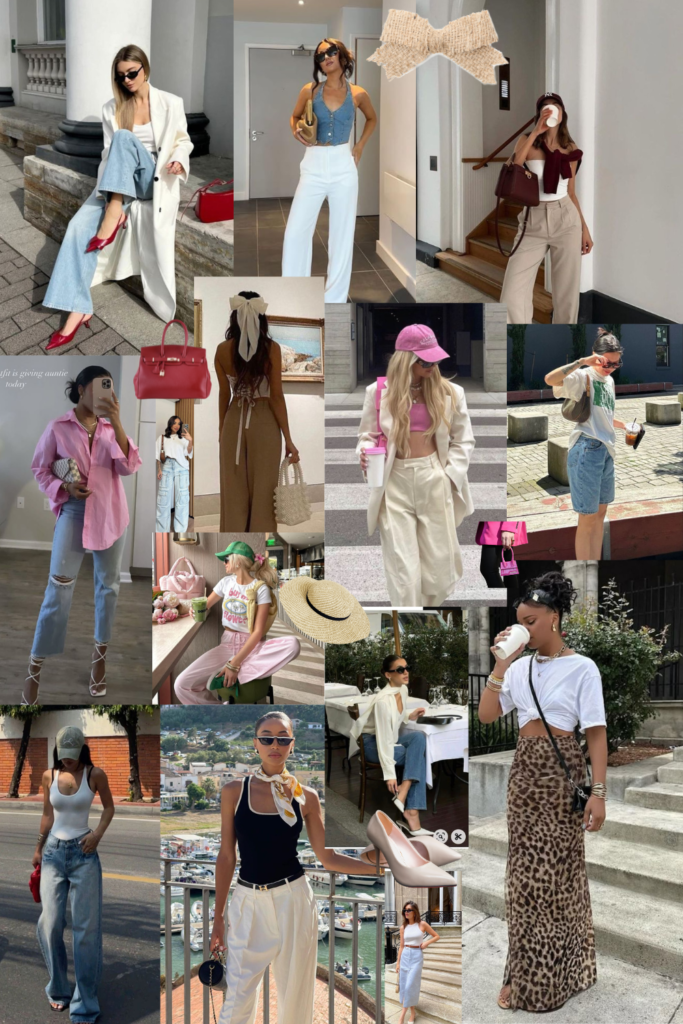
I realized outfits don’t stand out because of clothes alone—it’s the details that change everything. Accessories made the biggest difference for me.
Even a basic outfit looked different depending on how I styled it. Small choices added personality without needing more clothes.
Pro Tip: If an outfit feels plain, I add one statement accessory instead of overloading it.
12. Don’t Just Follow Trends—Follow Your Shadow Trends

I stopped chasing trends blindly because most of them didn’t suit me. Instead, I focused on parts of trends I actually liked.
This helped me build a style that lasts longer instead of changing every few months. It also saved money and reduced impulse buying.
Pro Tip: I follow elements of trends, not the full trend. That keeps my style consistent.
Conclusion
Finding my style didn’t happen overnight, but once I started paying attention to my habits, everything changed. I stopped guessing and started making intentional choices.
If you want to finally dress like the baddie you are, focus on what feels right for you. Style becomes easy when it reflects your real life, not just trends.