How to Dress in Your 70’s and Still Shut: 12 Chic & Confidence-Boosting Style Tips
Outfits
How to Dress in Your 70’s and Still Shut
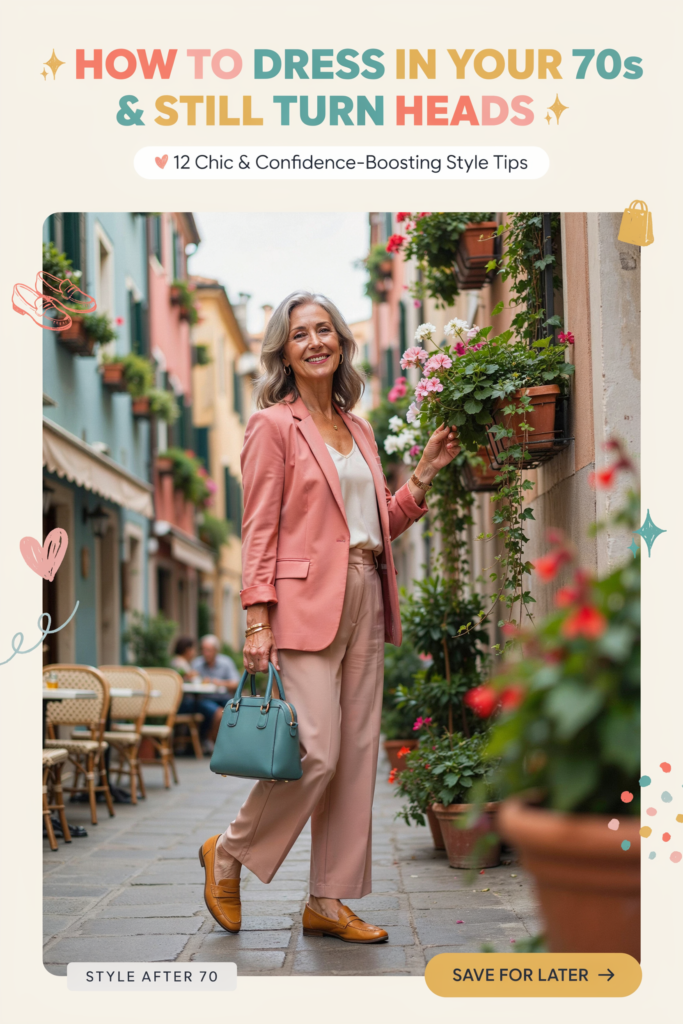
When I think about How to Dress in Your 70’s and Still Shut, I don’t see limits—I see freedom to finally dress exactly how I want. In this guide, I focus on building a strong wardrobe with timeless basics, flattering fits, smart color choices, and comfort that actually works in real life. I’ve learned that style at this stage is less about trends and more about confidence, proportions, and quality pieces that last.
Above the Fold Summary
I also cover how to use accessories, layering, and simple styling tricks to elevate everyday outfits without overthinking. The goal is simple: look polished, feel comfortable, and express personality without trying too hard.
Key Takeaways
- I always start with strong wardrobe basics before adding statement pieces
- Proper fit and tailoring can instantly make outfits look expensive
- Comfort and style can work together when I choose wisely
- Color, accessories, and layering make a huge difference
- Dressing well in your 70s is about confidence, not age rules
1. Invest in Staples, Then Play
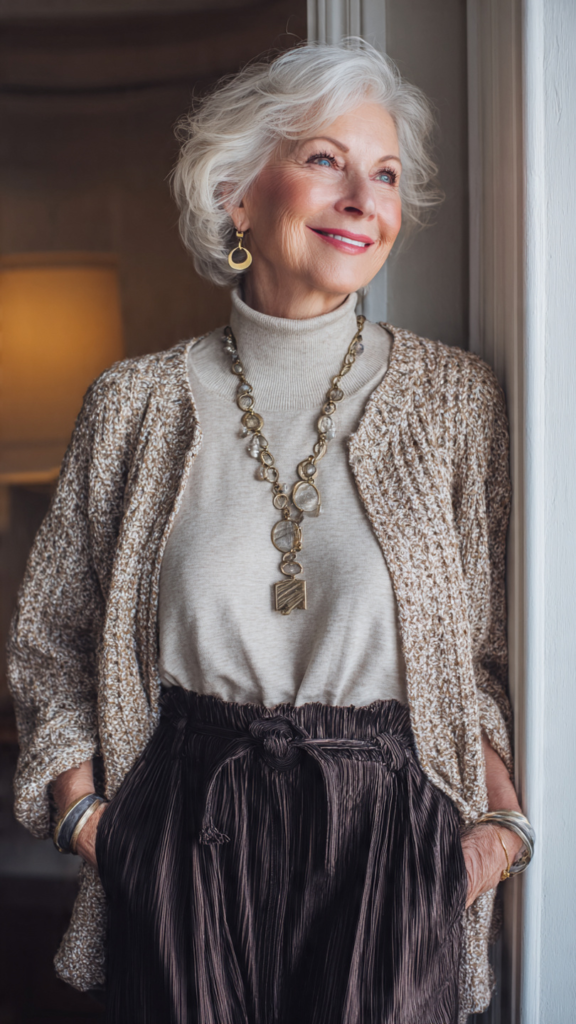
I’ve noticed that when my wardrobe basics are strong, getting dressed becomes effortless. Pieces like a white blouse, well-fitted trousers, and a structured blazer give me endless outfit options without confusion.
Once I have these essentials, I start adding personality through scarves, jewelry, or bags. Research shows that people wear only 20–30% of their wardrobe regularly, so I focus on versatile pieces that I can actually reuse.
Pro Tip: I always choose breathable, high-quality fabrics like cotton, linen, or silk because they last longer and feel better throughout the day.
2. Go for Structured, Not Stiff
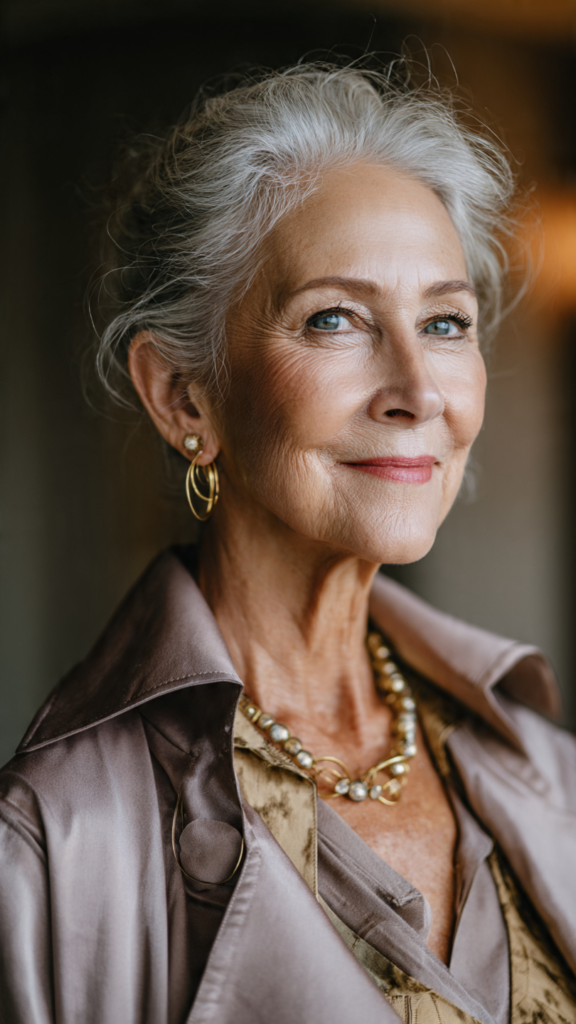
I’ve learned that structure can completely change how an outfit looks on me. Clothes that gently shape my body—like A-line dresses or slightly tailored blazers—make me look more put-together without feeling restricted.
At the same time, I avoid anything too rigid or boxy because it hides my shape and feels uncomfortable. Balance is everything here.
Pro Tip: I like softening structured outfits with a light scarf or simple jewelry to avoid looking too formal.
3. Tailored Fits
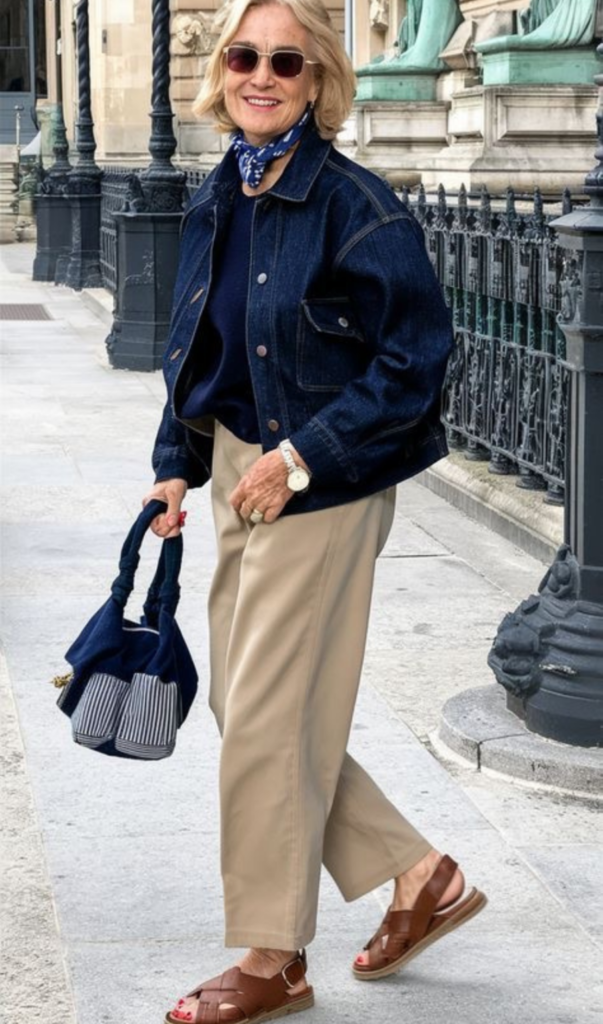
From my experience, nothing looks better than clothes that fit properly. Even affordable outfits can look high-end when they are tailored to my body.
I always check small details like pant length or waist fit because these make a big difference. Studies in fashion retail show that proper fit increases perceived value of clothing significantly.
Pro Tip: I keep a local tailor in mind—it’s one of the smartest investments I’ve made for my wardrobe.
4. Use Color Strategically
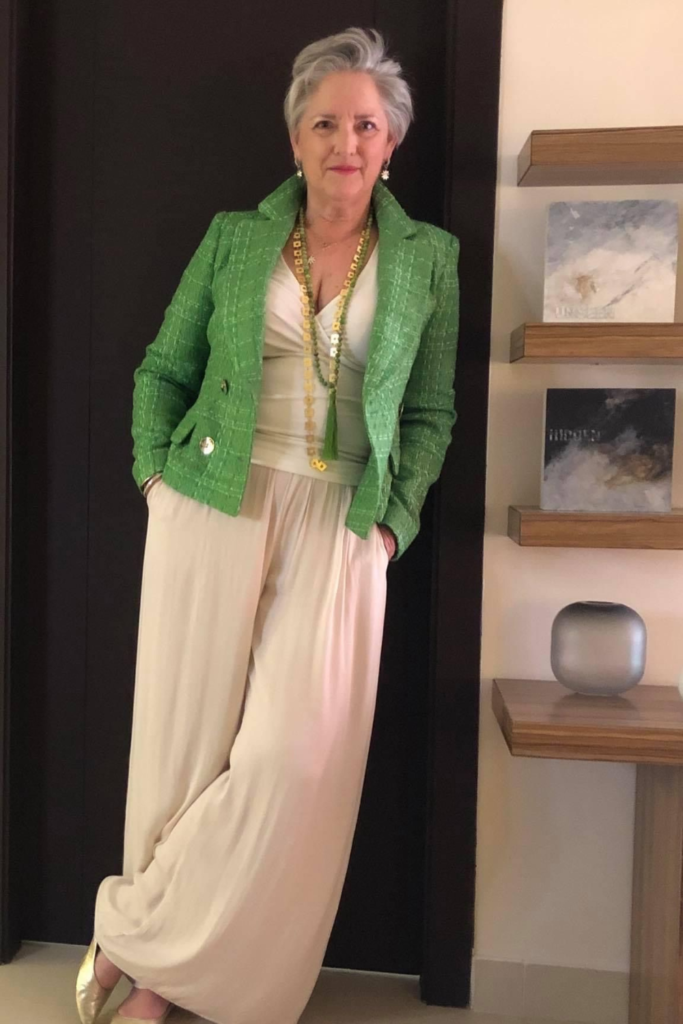
I’ve realized that the right colors can instantly make me look fresher and more confident. Jewel tones like deep green, blue, or red work beautifully, especially near the face.
At the same time, I rely on neutrals like navy, ivory, and grey for everyday outfits because they are easy to mix and match.
Pro Tip: On days when I feel tired, I wear a brighter color near my face—it genuinely lifts my overall look.
5. Comfort-First Footwear
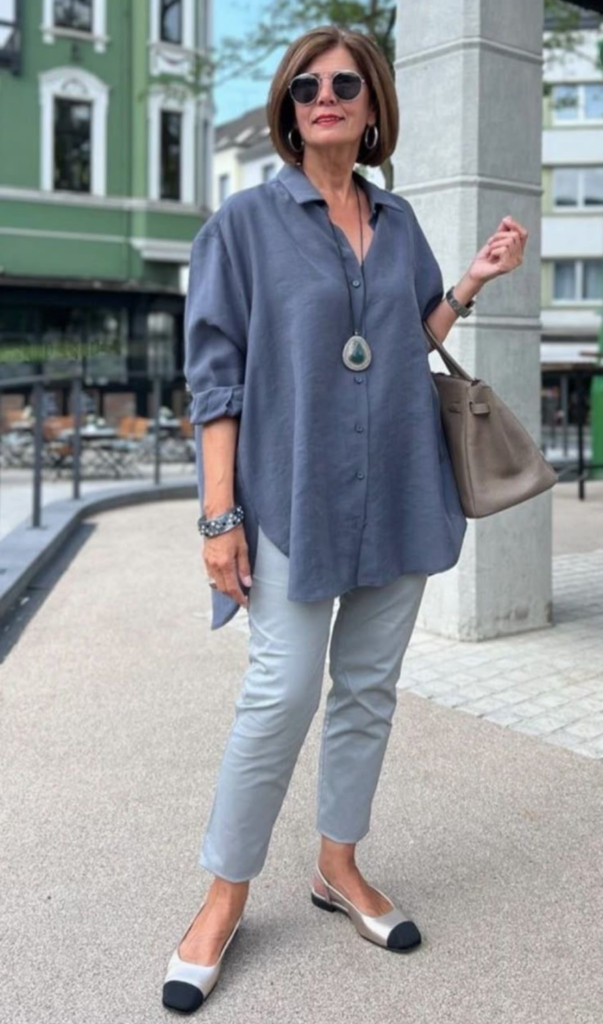
I never compromise on comfort when it comes to shoes. Foot health becomes more important with age, and uncomfortable shoes can ruin the whole day.
I look for cushioned soles, arch support, and stable heels. The good news is that many modern brands now combine comfort with style, so I don’t feel outdated.
Pro Tip: Neutral shoes help elongate my legs visually, while metallic tones add a stylish touch for events.
6. Highlight What You Love
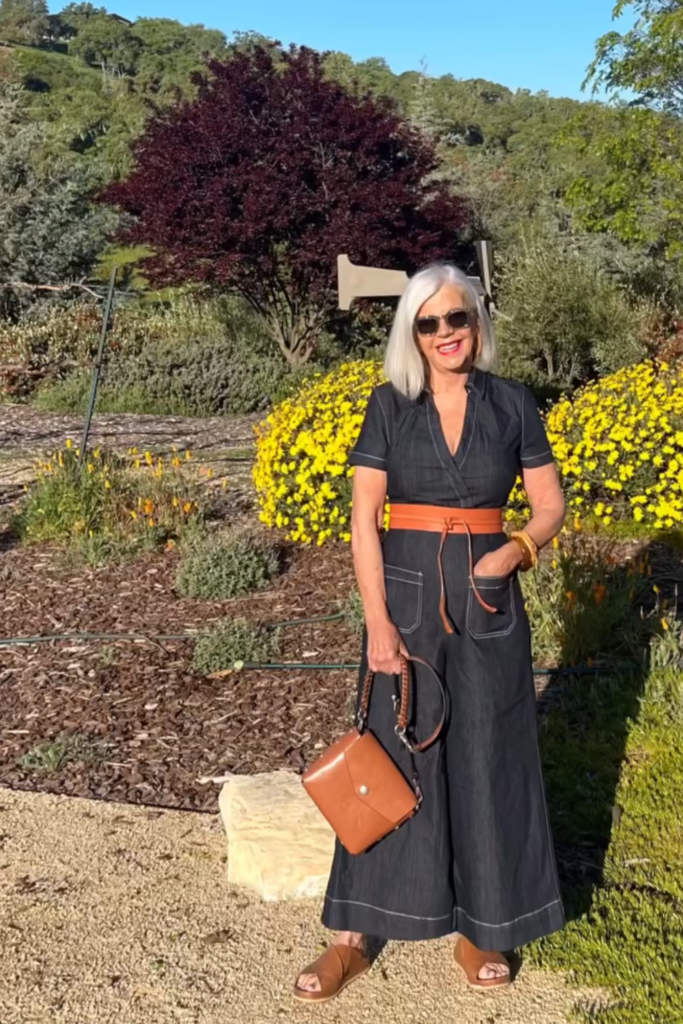
At this stage in life, I know exactly what I like about my body—and I dress to highlight it. Whether it’s my neckline, arms, or legs, I choose outfits that bring attention to those areas.
This approach makes dressing feel more personal and confident rather than following random fashion rules.
Pro Tip: I focus on one feature at a time to keep my outfit balanced and not overwhelming.
7. Master the Art of Proportions
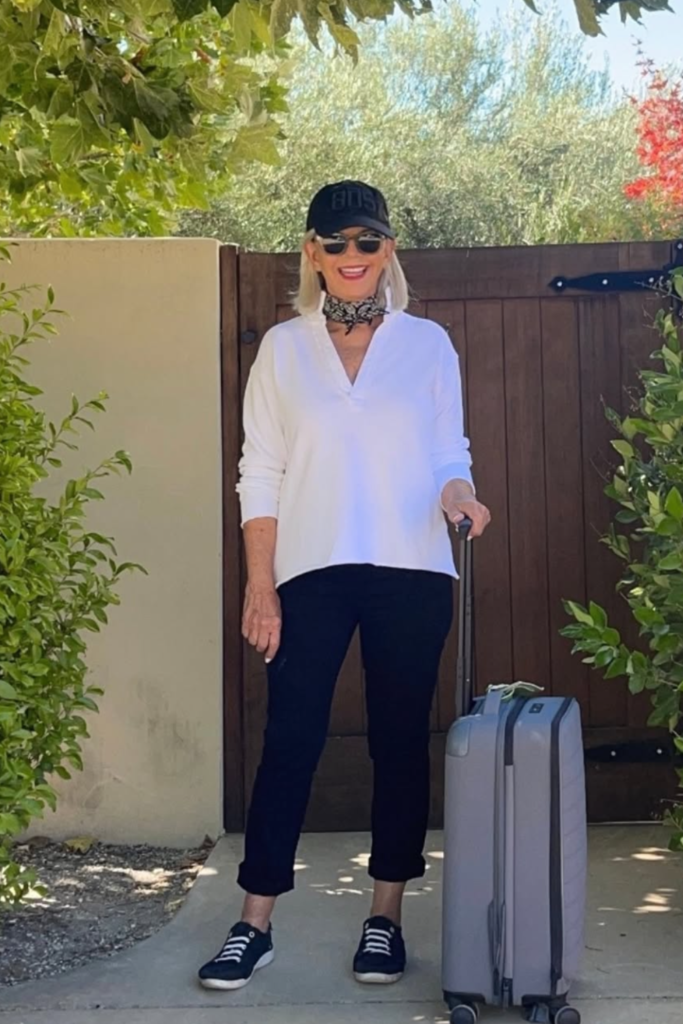
One styling trick I rely on is balancing fitted and loose pieces. If I wear something flowy on top, I go for a more fitted bottom, and vice versa.
This simple rule helps me avoid looking shapeless while staying comfortable. It’s one of the easiest ways to look polished without effort.
Pro Tip: I stand in front of the mirror and quickly check balance—it saves me from outfit mistakes.
8. the “Third Piece” Rule is genius
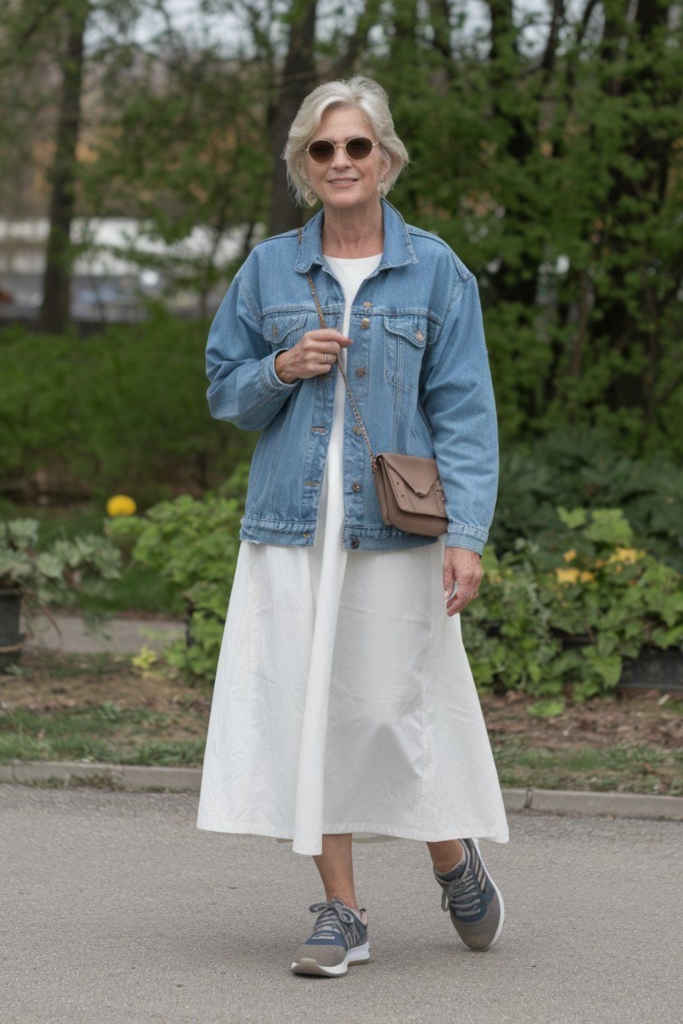
I’ve found that adding one extra piece can completely elevate a basic outfit. A blazer, scarf, or even a structured bag can make me look more styled instantly.
This small step creates a finished look without needing a complicated outfit.
Pro Tip: I keep a few go-to “third pieces” ready so I don’t overthink styling every day.
9. Define Your Style with the “Three-Word Method”
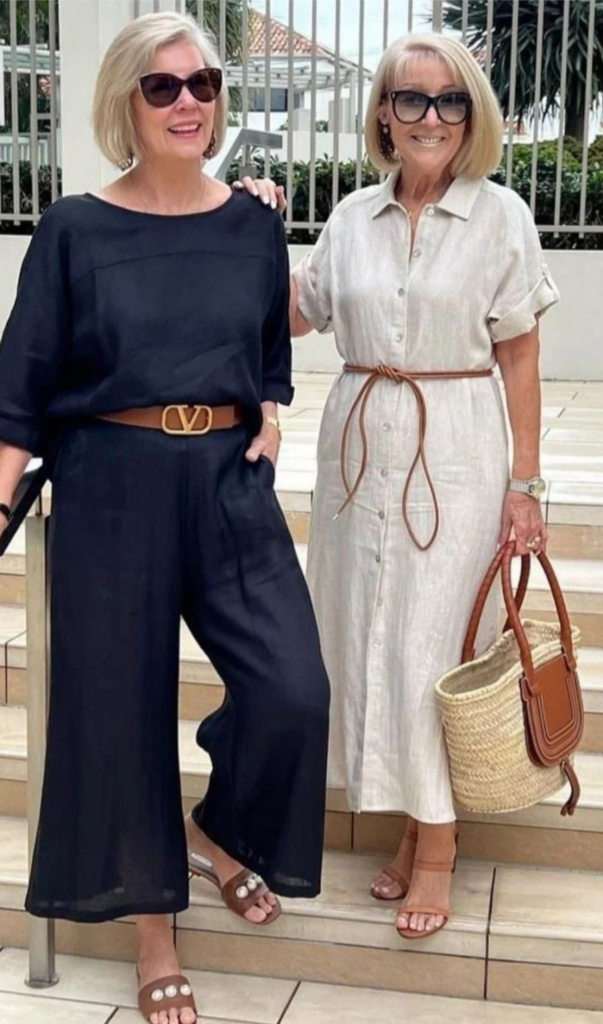
One exercise that really helped me is defining my style in three words. It makes shopping easier and prevents me from buying things I won’t wear.
For example, if my style is “simple, elegant, comfortable,” I stick to pieces that match that vibe.
Pro Tip: I review my wardrobe every few months to make sure everything still fits my style direction.
10. Embrace Statement Accessories
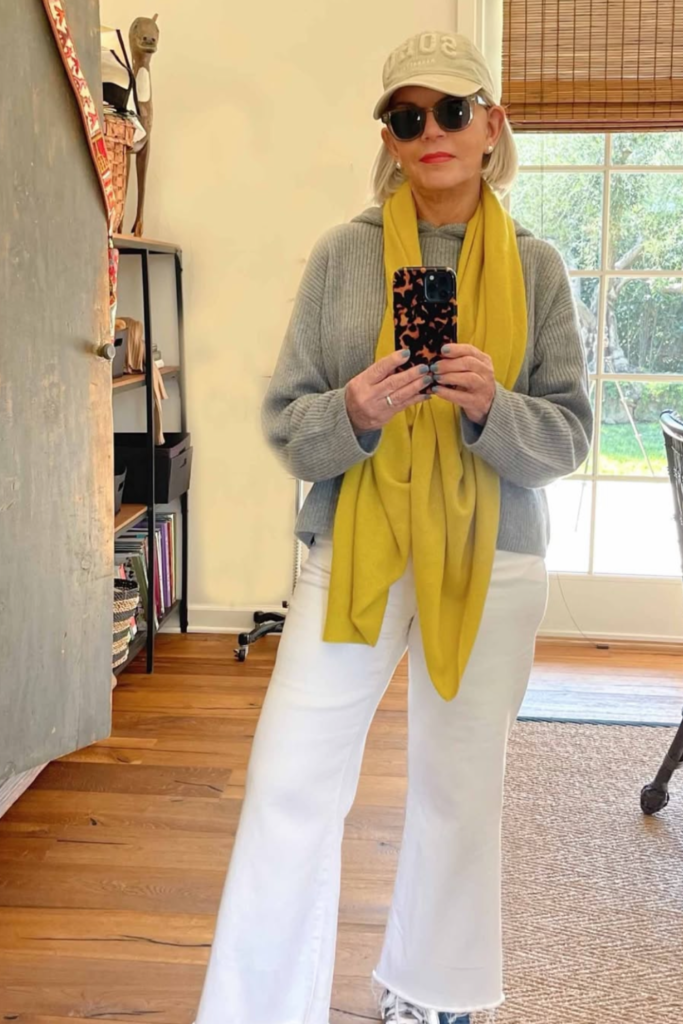
I’ve learned that accessories can completely transform even the simplest outfit. A basic outfit with the right jewelry or bag instantly feels intentional.
I don’t overdo it—I usually stick to two or three accessories to keep things clean and stylish.
Pro Tip: Matching metal tones (like gold or silver) helps create a more polished overall look.
11. Layer Like a Pro
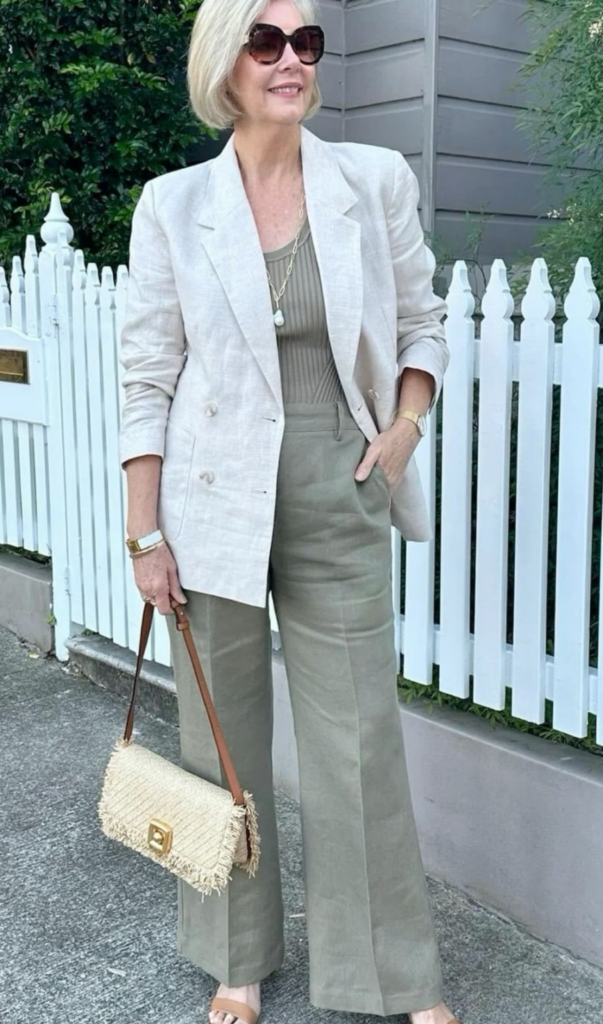
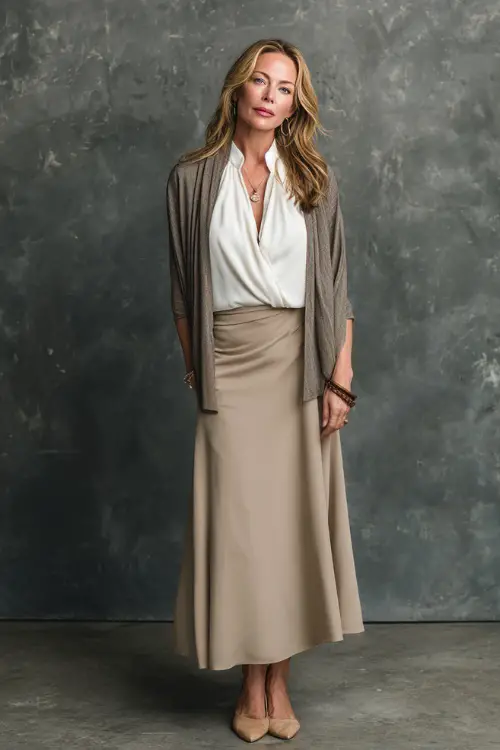
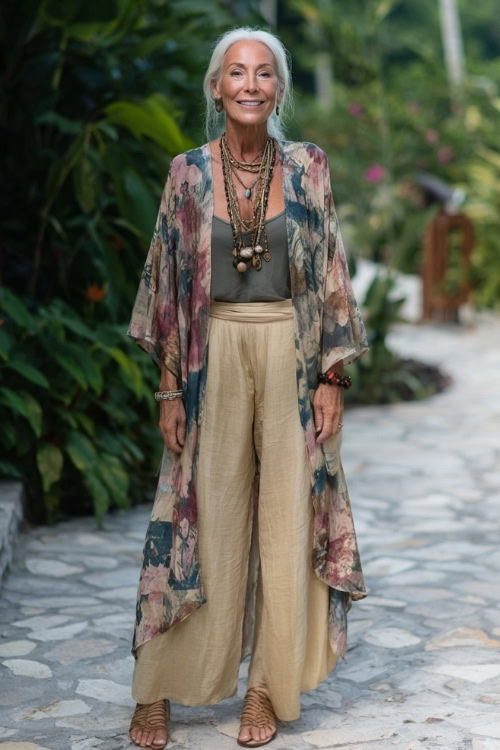
Layering is one of my favorite ways to add depth to outfits. A light cardigan, blazer, or shawl can make a simple outfit feel more complete.
It also helps me adjust to different temperatures throughout the day without sacrificing style.
Pro Tip: Mixing textures, like soft knits with smooth fabrics, adds a subtle luxury feel.
12. Opt for Elevated Comfort
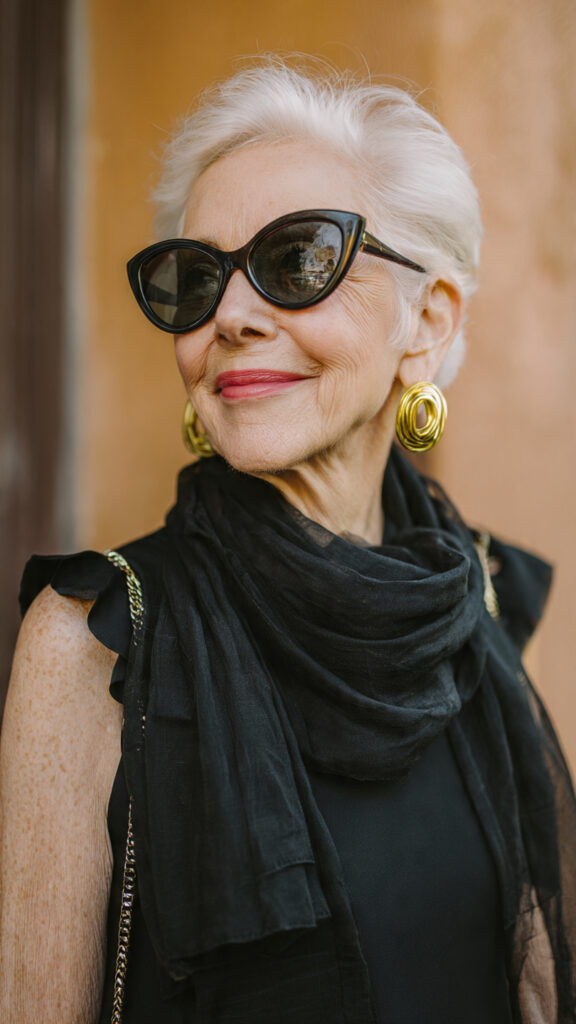
Comfort is something I no longer ignore. I choose clothes that allow me to move freely while still looking stylish.
Stretch fabrics, flowy dresses, and soft waistbands make a big difference in daily wear. According to apparel studies, comfort is one of the top reasons people repeat outfits—so I prioritize it.
Pro Tip: I balance comfort with structure, like pairing relaxed pants with a tailored jacket, to keep my look polished.
FAQ’S
What is the best way to follow How to Dress in Your 70’s and Still Shut?
I focus on confidence first, then build outfits around pieces that fit well and feel comfortable. When I keep things simple and polished, my style naturally stands out.
Can I still wear trendy outfits in my 70s?
Yes, I do—but I mix trends with classic pieces. This keeps my look modern without feeling overdone or uncomfortable.
How do I choose clothes that flatter my body now?
I pay attention to fit and structure. Clothes that lightly shape my body without being tight always look more flattering on me.
What colors work best for women in their 70s?
I usually go for jewel tones and soft neutrals. These colors make my skin look brighter and are easy to style daily.
Should I avoid certain clothing styles at this age?
I don’t follow strict rules, but I avoid anything too baggy or too tight. Balance always works better for me.
How important is tailoring in your 70s?
For me, tailoring makes the biggest difference. Even simple outfits look more expensive when they fit properly.
Can I wear jeans in my 70s?
Yes, I wear jeans often. I just choose straight-leg or slightly relaxed styles that feel comfortable and look neat.
What kind of shoes should I wear daily?
I always choose shoes with support and cushioning. Comfort matters more now, but I still look for stylish designs.
How do I look stylish without trying too hard?
I keep my outfits simple and add one statement piece. That small effort makes everything look intentional.
Are accessories still important at this age?
Yes, I rely on accessories to complete my outfits. They add personality without needing new clothes all the time.
How can I dress comfortably and still look elegant?
I choose soft fabrics and relaxed fits, then pair them with structured pieces like blazers to keep things polished.
What is the biggest mistake to avoid in your 70s fashion?
I avoid hiding my body in oversized clothes. It often makes me look less put-together than I actually feel.
How do I build a wardrobe that lasts?
I invest in basics that I can mix and match. This saves money and makes getting dressed easier every day.
Can layering work for older women?
Yes, I use light layers like cardigans or jackets. They add style and also help me adjust to weather changes.
How do I define my personal style now?
I focus on what feels right for me. Choosing a few words to describe my style helps me stay consistent.
What fabrics should I prioritize?
I prefer breathable and soft fabrics like cotton, linen, and silk. They feel better and look more refined.
How do I make simple outfits look better?
I add a third piece like a blazer or scarf. It instantly makes my outfit look more complete.
Is it okay to wear bold colors or prints?
Yes, I wear them when I feel like it. I just balance them with neutral pieces to keep the outfit grounded.
How do I dress for special occasions in my 70s?
I choose comfortable yet elegant outfits with supportive shoes. This helps me enjoy the event without discomfort.
What mindset helps with How to Dress in Your 70’s and Still Shut?
I focus on enjoying my style instead of worrying about rules. Confidence is what truly makes any outfit work.